
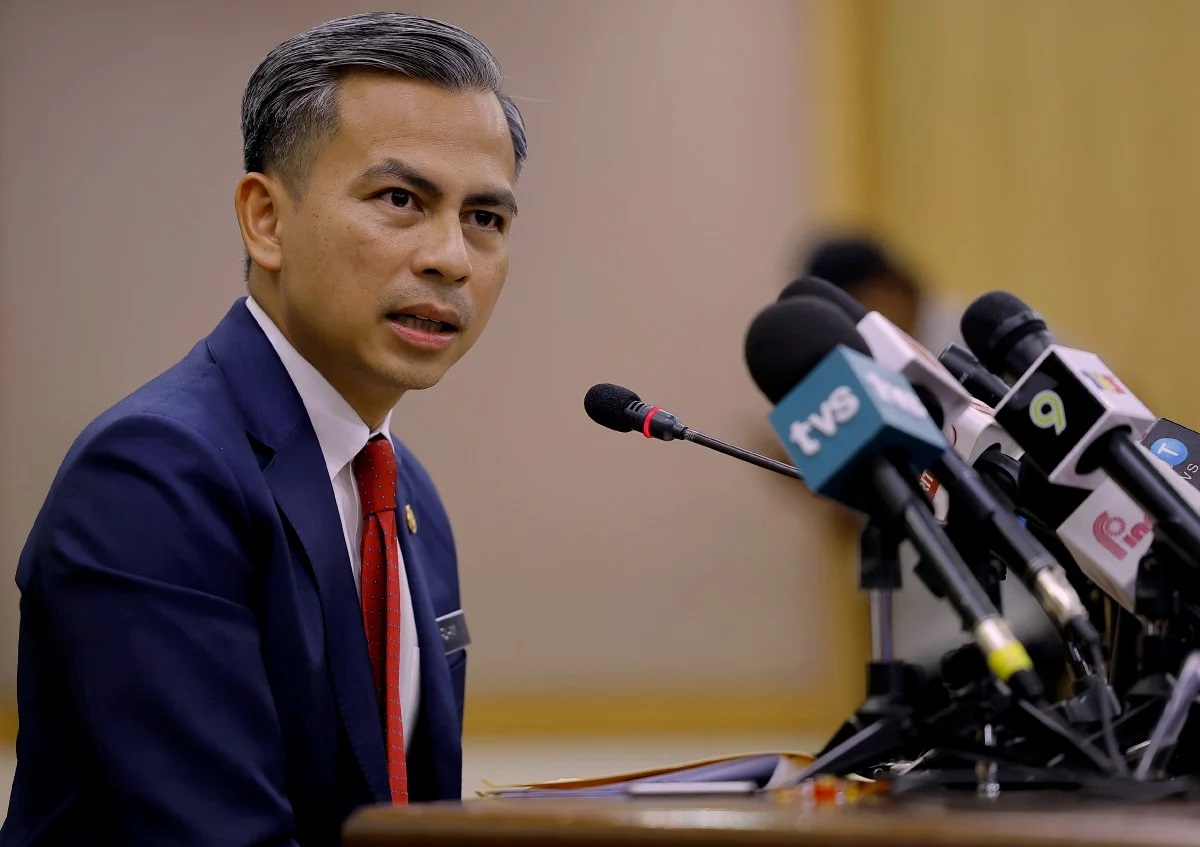
THE decision to maintain the Overnight Policy Rate (OPR) at three percent was made without pressure from the government or any party, said Communications and Digital Minister Fahmi Fadzil.
Instead, it was based on several factors including the country’s good economic growth, the inflation rate which shows a declining trend and an almost full employment rate, he explained.
“In addition, the country is also in a highly competitive state, the second best after Singapore in the Southeast Asian region.
“So, when we look at Bank Negara’s statement, these are among the factors that made the Monetary Policy Committee (MPC) maintain the OPR,” he told reporters after launching the Negeri Sembilan-level Kita Madani programme in Seremban yesterday (July 6).
Earlier yesterday, the MPC meeting decided to keep the OPR at 3%, in line with global economic development and the inflation rate in Malaysia which shows a declining trend and remains stable.
The Finance Ministry said that although the global economic outlook is affected by the risk of global growth slowing down, the government is confident that the Malaysian economy will continue to grow in 2023.
Bank engagement
Meanwhile, Fahmi addedd that the ministry is always in touch with the Association of Banks in Malaysia (ABM) and the Association of Islamic Banking and Financial Institutions Malaysia (Aibim) to be more proactive in engaging with the public to explain the impact of any decision involving OPR.
“I have asked ABM and Aibim to provide a proper explanation if the people face problems for example as a result of the increase in OPR. We have just come out of the COVID-19 pandemic, and I believe the banks understand.
“… during the previous moratorium period and then the post-pandemic, there are still many who are affected economically and of course, the banks are ready to help. We also welcome the banks’ proactive efforts to help the people,” the government spokesperson added. – July 7, 2023