

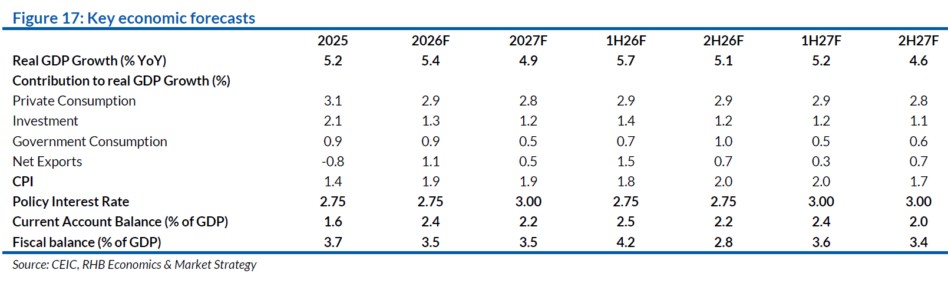
THE nation’s equity market is entering the final quarter of 2026 against a backdrop of resilient economic activity, but rising geopolitical and monetary policy risks could keep markets volatile.
RHB said global growth has remained relatively resilient, supported by artificial intelligence (AI) investment, firm trade activity and improving regional connectivity.
ASEAN is also benefiting from its position in global electronics and AI supply chains.
However, the outlook remains closely tied to developments in the Middle East. Prolonged conflict has pushed oil prices above US$100 a barrel, raising energy costs, inflation risks and pressure on corporate margins.
RHB expects oil prices could ease towards US$85 a barrel if geopolitical tensions subside.
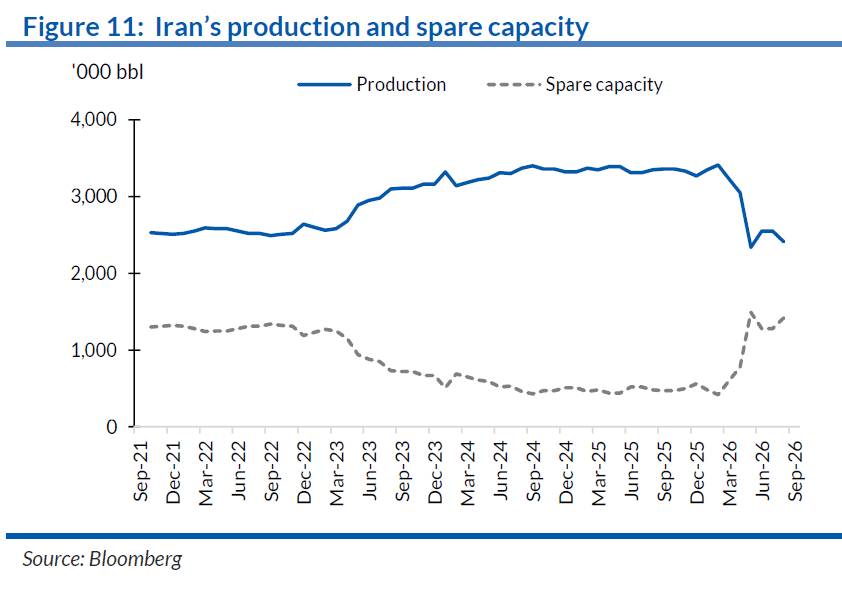
The US Federal Reserve’s monetary policy is another concern. RHB expects one more US rate hike in December, while higher US yields could encourage capital flows towards US assets and put pressure on emerging-market currencies, including the ringgit.
Despite these risks, RHB maintained its end-2026 FBM KLCI target at 1,750 points, based on a 15.5 times forward price-to-earnings valuation.
The research house expects the market to remain relatively rangebound, with opportunities likely to come from sector and stock rotation rather than broad-based gains.
Corporate earnings remain on a growth path. RHB forecasts FBM KLCI earnings to rise 6.3% in 2026 and 6.8% in 2027, while its broader stock basket is expected to record 9.3% and 7.3% growth respectively.
Technology remains supported by the global semiconductor upcycle, AI investment and data-centre expansion, while oil and gas, plantations, healthcare, property and telecommunications have also seen positive earnings revisions.
Banks, however, face higher funding costs, rising bond yields and thinner loan-loss buffers, prompting RHB to downgrade the sector to Neutral.
For smaller companies, RHB expects greater interest in thematic and growth opportunities towards late 2026 as investors position for 2027.
Sectors such as consumer, industrial products, oil and gas, plantations, technology and green energy could benefit from structural growth and policy-driven investments.
A major change is also coming to the FBM KLCI, which will expand from 30 to 50 constituents in December 2026.
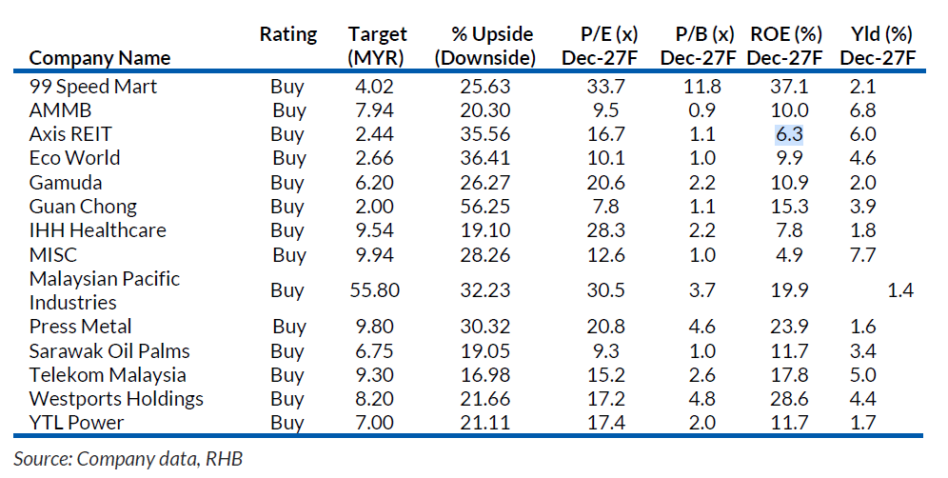
The move is intended to reduce concentration in heavyweight sectors and provide broader representation of Malaysia’s economy.
Key risks include prolonged geopolitical tensions, tighter monetary policy, higher input costs, weaker consumer demand, earnings disappointments and adverse currency movements.—Oct 2, 2026