
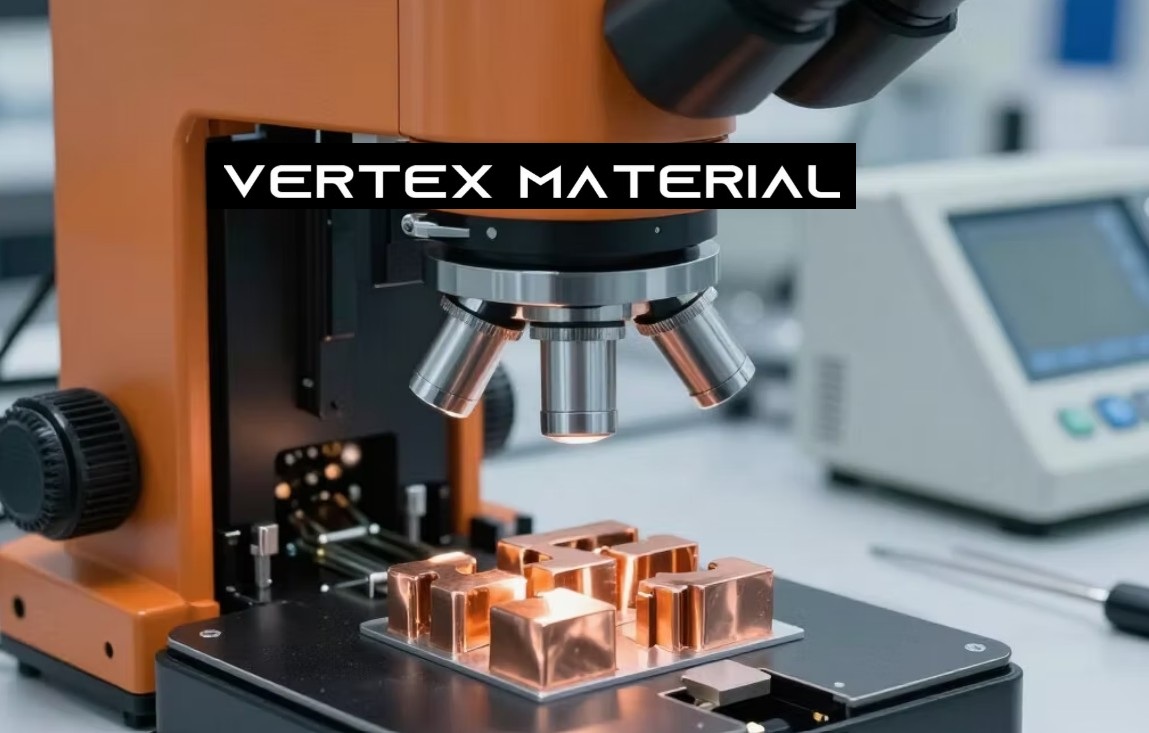
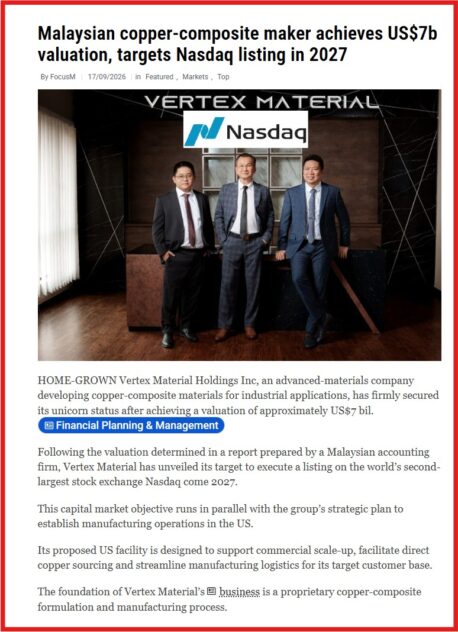
VERTEX Material Holdings Inc, a Malaysian advanced-materials company, is advancing the commercialisation of its proprietary copper-composite technology to help manufacturers reduce pure copper usage in suitable industrial applications by offering a practical approach to address long-term supply constraints.
The company’s technology combines copper with waste-derived composite material through a proprietary formulation and powder-metallurgy process.
Containing approximately 70% copper, the composite serves applications where 100% pure copper is not technically required but specific levels of electrical conductivity, heat transfer, strength or machinability are still needed.
This allows Vertex Material to produce a greater volume of usable material from a given amount of raw copper while meeting exact engineering specifications for heat sinks, industrial electrical contacts and semiconductor thermal-management components.

The focus on material efficiency comes as the global industry faces a projected shortfall between future copper demand and new supply.
In its Global Critical Minerals Outlook 2025, the International Energy Agency (IEA) projected that mine supply from existing and announced projects could fall approximately 25% short of primary copper requirements by 2035 under its Stated Policies Scenario.
The IEA identified declining ore grades, rising project costs and fewer new discoveries as major hurdles to bringing additional supply into production.
Aggressive tapping of US opportunities
“Copper availability is becoming an increasingly important consideration for manufacturers in the semiconductor, battery, connectivity and construction industry,” commented Vertex Material’s CEO Chris Lai Ther Wei.
“Our focus is on helping customers make each tonne of copper go further while meeting the performance their products require.”
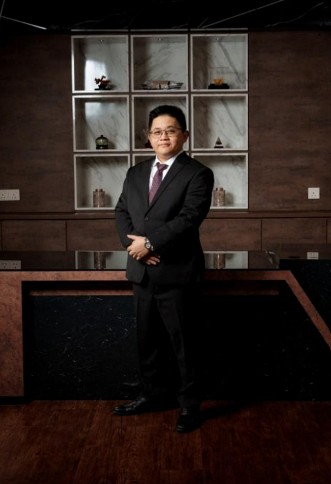
Added Lai: “We aren’t seeking to replace copper across every application. Our niche is where a composite can be used to more efficiently use of copper to meet the required electrical, thermal and mechanical specifications. That’s where we see an opportunity to contribute to the supply chain.”
On the commercial front, Vertex Material has signed an offtake agreement with a distributor for 160,000 metric tonnes (MT) of copper-composite material annually.
The company’s initial sales strategy focuses on partnering with distributors already established within the copper supply chain, utilising their customer relationships, local market knowledge and distribution networks to introduce the products to industrial manufacturers.
This contracted demand provides the commercial foundation for Vertex Material’s proposed US expansion, driven by regional copper demand, raw material access, infrastructure availability and local industry expertise.
The company is evaluating potential sites for a US facility with a planned annual production capacity of one million MT by targeting completion of the facility fit-out in 2H 2027 and commercial production in 2028.
As part of this site selection process, Vertex Material is receiving assistance from the Greater Phoenix Economic Council (GPEC) – a regional public-private economic development organisation in the US – to identify suitable locations in Arizona and explore potential incentives for the proposed plant.
Together with its 22 member communities, the Maricopa and Pinal counties and more than 200 private investors, GPEC works to advance economic diversity, resilience and smart growth in one of the US’ fastest-growing markets.
To support its US operations and ensure compliance with local requirements, Vertex Material is actively recruiting senior US professionals.
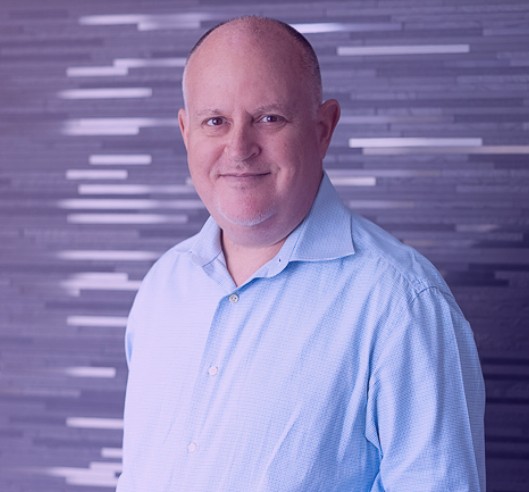
Recent appointments include Steven Sokohl as chief financial officer (CFO) who will oversee financial management and internal controls as the company scales.
“Commercialisation requires more than a formulation. It requires consistent production, access to raw materials and a practical route to customers,” justified CEO Lai.
“The distributor offtake provides a foundation for that next stage. We’re now focused on selecting a suitable US location and building the local team and operating capabilities to support production.” – Oct 1, 2026