
MALAYSIA is not facing another Asian Financial Crisis (AFC) but cost-of-living pressures, wage and productivity challenges, AI (artificial intelligence) disruption, geopolitical conflicts and competition for investment and talent could prove equally consequential over time.
This raises an important question: should the National Economic Action Council (MTEN) recover the urgency, ambition and implementation focus that defined it during the AFC 1997-1998?
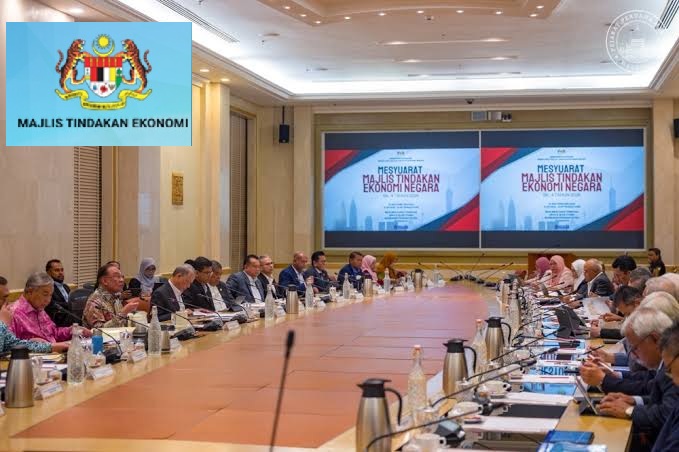
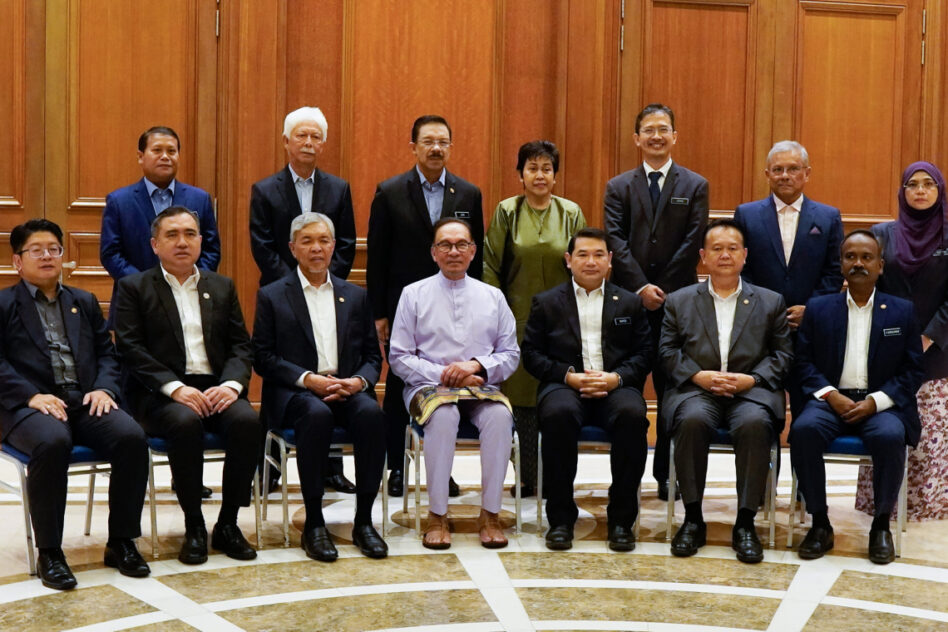
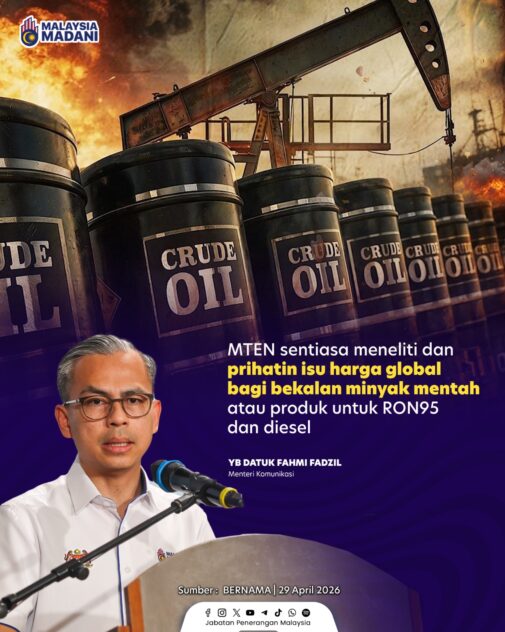
Today’s MTEN is an active institution chaired by the Prime Minister. As the government’s highest economic advisory council, it is tasked with planning, implementing and monitoring economic policy across ministries.
Its remit spans fiscal sustainability, investment, wages, skills, competitiveness, small businesses, employment and poverty. A crisis-management task force under MTEN was also formalised in 2026 to coordinate responses to global shocks.
The issue is whether Malaysians can clearly identify the transformative outcomes MTEN is driving.
MTEN over the years
Established in January 1998, MTEN helped drive the National Economic Recovery Plan as Malaysia battled collapsing confidence, corporate distress and strains on its banking system. Danaharta addressed troubled bank assets,
Danamodal re-capitalised financial institutions and the Corporate Debt Restructuring Committee helped viable companies work through their debts. Malaysia also introduced selective capital controls while fixing the ringgit at RM3.80 to the greenback.
The speed, coordination and clarity of purpose of the response to the AFC were unmistakable. Malaysia’s economy subsequently rebounded strongly, supported by policy action, restructuring and improving external demand.
The crisis also brought Malaysians together around a shared national priority: restoring stability and livelihoods.
Political differences did not disappear but the country could focus its energies on recovery. We need more of that common purpose today with less time lost to political quagmires and racial polemics that distract from the work of raising incomes and strengthening our future.
Today’s problems demand different solutions. MTEN should set a small number of national targets that people can understand and track: real wage growth, productivity, high-skilled jobs, the rise of Malaysian regional champions and a meaningful reduction in household cost pressures.
A clear long-term vision should guide those targets across ministries and political cycles with public reporting on progress.
Malaysia should also think big and think cleverly. The PETRONAS Twin Towers, Kuala Lumpur International Airport (KLIA) as well as Putrajaya and mega projects in the federal administrative capital reflected a willingness to plan decades ahead and create new economic centres.

MTEN needs to think big again
Tomorrow’s strategic projects could centre on AI capability, advanced semiconductors, renewable energy, transport connecting industrial clusters or high-technology cities.
As each proposal faces a rigorous test: will it build lasting Malaysian skills, technologies, suppliers and exports?
For Bumiputera entrepreneurs in particular, the goal should extend beyond contract awards and ownership figures.
National investment should help develop engineers, technology firms, manufacturers and professional service providers capable of competing abroad. Its success must be measured by the businesses that graduate into technology owners, exporters and regional champions.
Political stability and national unity are equally important. Investors and families plan for the long term.
Malaysia needs continuity in its core economic goals even when leaders and governments change and a political culture capable of pursuing shared national priorities despite disagreement.
We need to recover MTEN’s original spirit: urgency, measurable objectives, coordinated execution and the courage to consider unconventional ideas.
MTEN already has the mandate. The challenge now is to make its impact visible in the incomes, opportunities and confidence of Malaysians. – Oct 3, 2026
Ridhwan Rosli is the Malay Consultative Council steering committee member.
The views expressed are solely of the author and do not necessarily reflect those of Focus Malaysia.