
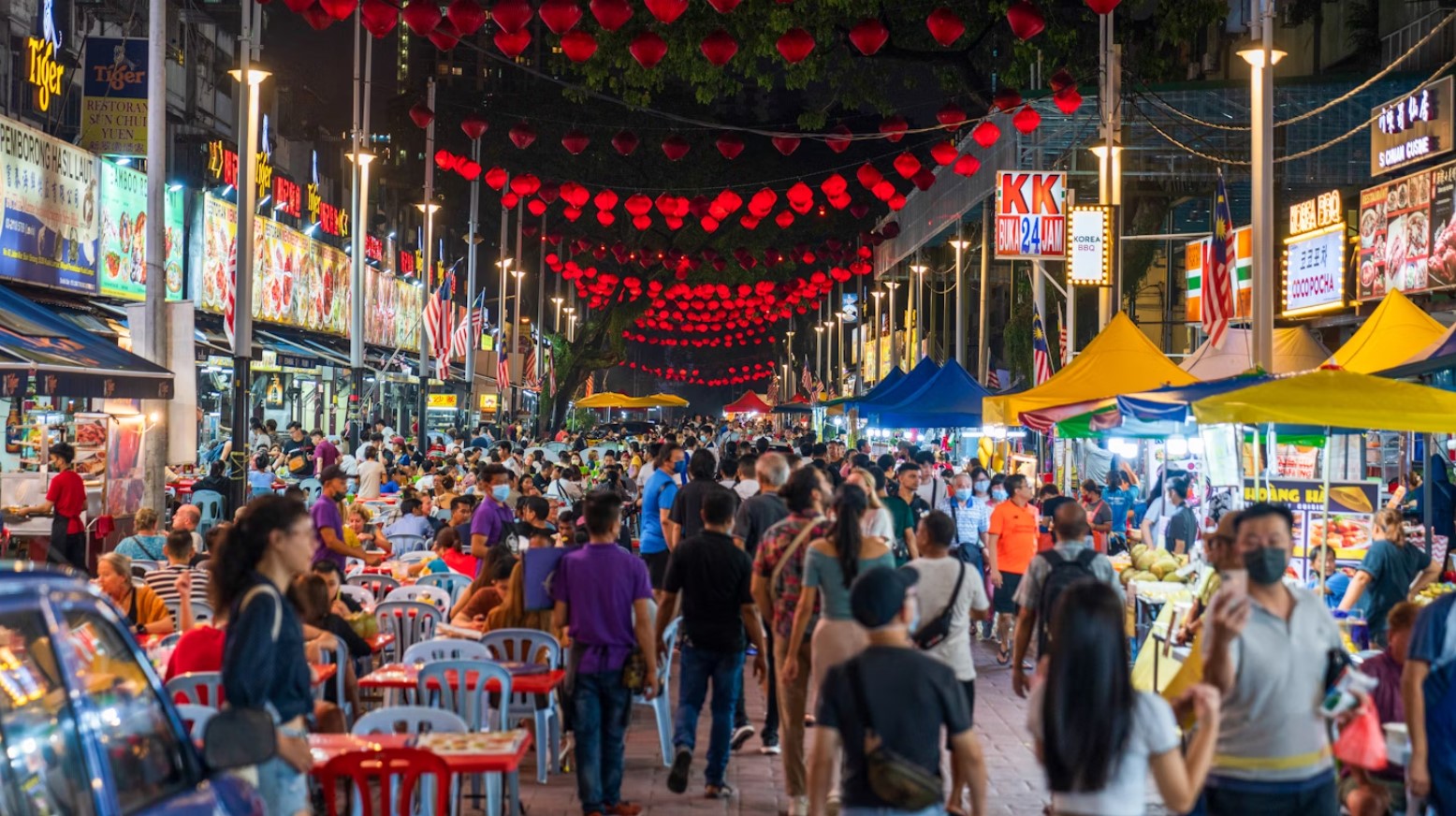
A RECENT article argued that Malaysia should place greater emphasis on attracting higher-value visitors rather than focusing on overall arrival numbers.
While the objective of increasing tourism receipts is valid, it should not come at the expense of overlooking the wider contribution made by different categories of travellers.
Malaysia’s tourism authorities have never measured success solely by visitor arrivals. For more than three decades, the Tourism, Arts and Culture Ministry (MOTAC) and Tourism Malaysia have reported both international visitor numbers and tourism expenditure, while the Department of Statistics Malaysia (DOSM) publishes comprehensive data on domestic tourism, including visitor numbers, spending patterns and travel behaviour.
These statistics provide a detailed picture of the industry and show that different groups of visitors contribute to the economy in different ways.
About two-thirds of international visitors stay overnight, while the remainder are same-day excursionists. Hotels naturally benefit most from overnight tourists, but retailers, restaurants, attractions and transport operators also gain from day visitors.
Tourism spending is similarly diverse. Shopping, accommodation, and food and beverages account for more than 70% of expenditure by international tourists. Among domestic travellers, shopping, food, beverages and fuel make up the largest share of tourism spending.
At the same time, the proportion of domestic tourists staying in paid accommodation, including short-term rental accommodation, has risen significantly since 2019.
Malaysia also enjoys a high level of visitor loyalty. Around 70% of international arrivals are repeat visitors, while the average length of stay is about 4.5 nights for foreign tourists and 2.6 nights for domestic travellers.
Business travel is undoubtedly an important segment. Whether referred to as MICE or the more widely adopted term “Business Events”, Malaysia has long recognised its value.
Tourism Malaysia and the Malaysia Convention & Exhibition Bureau (MyCEB) have spent years promoting conferences, exhibitions and corporate events that generate substantial economic activity.
Corporate travellers typically spend more on accommodation, dining and meeting facilities, making them an attractive market for premium hotels. However, they represent only one part of a much broader tourism ecosystem.
Leisure travellers, family holidaymakers, backpackers, excursionists and domestic tourists all support businesses across the country.
Shopping remains the single largest contributor to tourism expenditure, and enthusiastic shoppers can be found among both business and leisure travellers.
Rather than attempting to favour one category of visitor over another, Malaysia should continue building a tourism industry that welcomes everyone.
Until the country reaches the limits of its tourism capacity, there is little reason to cherry-pick visitors based solely on how much they spend.
Different market segments complement one another and collectively support hotels, restaurants, transport providers, retailers and attractions.
Backpackers, for example, may return years later as professionals, entrepreneurs or investors after positive experiences in Malaysia. Likewise, domestic tourists help sustain businesses during periods when international arrivals soften.
Tourism is both a volume business and a long-term investment in relationships. Every visitor who leaves Malaysia with a favourable impression becomes an ambassador for the country.
Malaysia has built a reputation as a welcoming destination. That reputation should continue to extend to every visitor, whether arriving for a business conference, a family holiday or a backpacking adventure.
A healthy tourism industry depends not on choosing between visitors, but on ensuring that all feel welcome. ‒ July 13, 2026
YS Chan is a tourism, transport and training consultant.
The views expressed are solely of the author and do not necessarily reflect those of Focus Malaysia.
Main image: Lonely Planet