


MALAYSIA’S shift to digital payments has been swift and striking.
Bank Negara Malaysia recorded 18.4 billion e-payment transactions in 2025, a 25% increase from the previous year. On average, each Malaysian made 538 digital payments.
That progress is worth celebrating. But it also raises a harder question: are our financial judgement and consumer safeguards keeping pace with the speed of digital adoption?
The contrast is difficult to ignore. Bank Negara Malaysia reported that scams caused RM2.8 bil in losses in 2025, while about 95% of reported fraud cases involved authorised scams, where victims themselves transferred money or disclosed credentials after being manipulated.
That is more than a cybersecurity problem—it is a financial behaviour problem.
For years, financial education has rightly focused on budgeting, saving, interest, debt and investment risk. Those foundations remain essential.
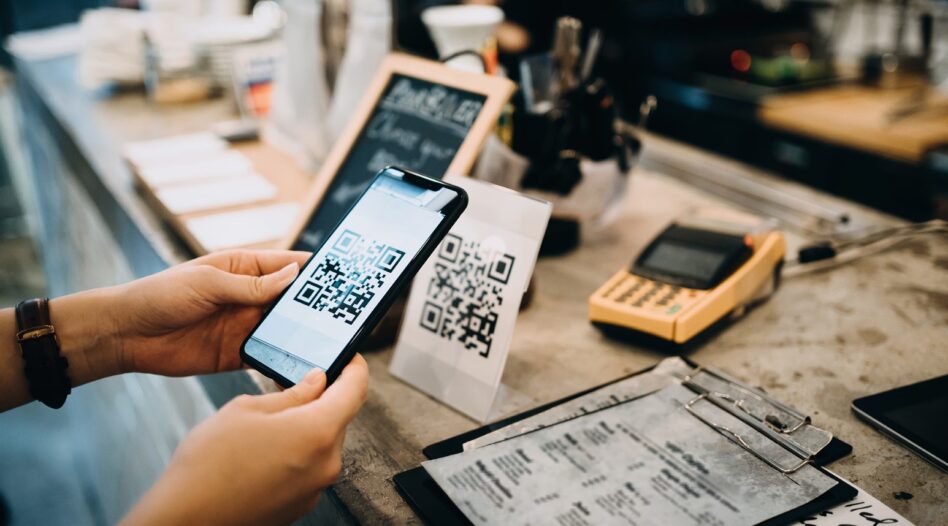
Today’s financial decisions, however, arrive through QR codes, shopping apps, instalment buttons, social media feeds and, increasingly, artificial intelligence. The transaction has become easier. The judgement behind it has not.
Someone can use mobile banking every day and still respond to a convincing fraudulent request.
A person may understand investment risk yet act on an unverified recommendation from a finfluencer. A household may know how to budget and still underestimate the cumulative strain of several small Buy Now, Pay Later commitments.
The gap often lies not in what consumers know, but in what happens between knowledge and action.
Digital finance has compressed that space. We can move from desire to purchase, fear to transfer and excitement to investment within seconds. Fraudsters understand this well.
Urgency discourages deliberation, authority discourages questioning, familiarity creates trust, and fear of missing out makes opportunity feel scarce.
When these pressures meet instant payments, consumers have very little time to move from emotion back to judgement.
This is where financial education needs to evolve.
For today’s digitally connected consumer, three questions should become almost instinctive.
Is this real? Verification should happen independently. If someone offers an investment opportunity, consumers should not rely on the phone number or link provided.
The Securities Commission’s Investment Checker and Investor Alert List provide practical ways to verify whether they are dealing with authorised parties.
Can I afford the full consequence? Digital credit can make affordability deceptively easy to judge. RM80 a month feels very different from RM960 over a year, even though both describe the same commitment.
The better question is not whether today’s instalment is affordable, but what that commitment does to tomorrow’s household cash flow.
What happens if I am wrong? That question matters even more as AI enters personal finance. AI-generated advice can sound fluent and personalised without necessarily being accurate, complete or free from bias.
Consumers increasingly need to ask not only whether advice sounds convincing, but whether it deserves to be trusted for decisions involving savings, debt or investments.
The lesson is not to distrust technology. It is to stop confusing technological confidence with financial competence.

Malaysia’s National Strategy for Financial Literacy 2026–2030 already recognises stronger digital financial literacy and financial resilience as national priorities.
The next step is turning those ambitions into practical decision-making skills by exposing consumers to realistic scenarios, from suspicious payment requests and competing digital-credit commitments to investment promotions and AI-generated financial recommendations.
Responsibility cannot rest entirely on individuals. Banks, fintech providers, technology platforms and regulators all shape the environments in which financial decisions are made. Stronger safeguards, responsible product design, better fraud detection and effective avenues for redress remain essential.
Malaysia’s digital financial progress deserves recognition. But the next milestone should not simply be another record number of transactions.
It should be a population capable of participating in digital finance without surrendering judgement to convenience, persuasion or technology.
The next frontier of financial literacy is no longer teaching Malaysians how to move money.
It is teaching us when not to. ‒ Aug 25, 2026
The author is a Senior Lecturer at the Faculty of Business and Economics, Universiti Malaya.
The views expressed are solely of the author and do not necessarily reflect those of Focus Malaysia.
Main image: Unsplash/Claudio Schwarz