

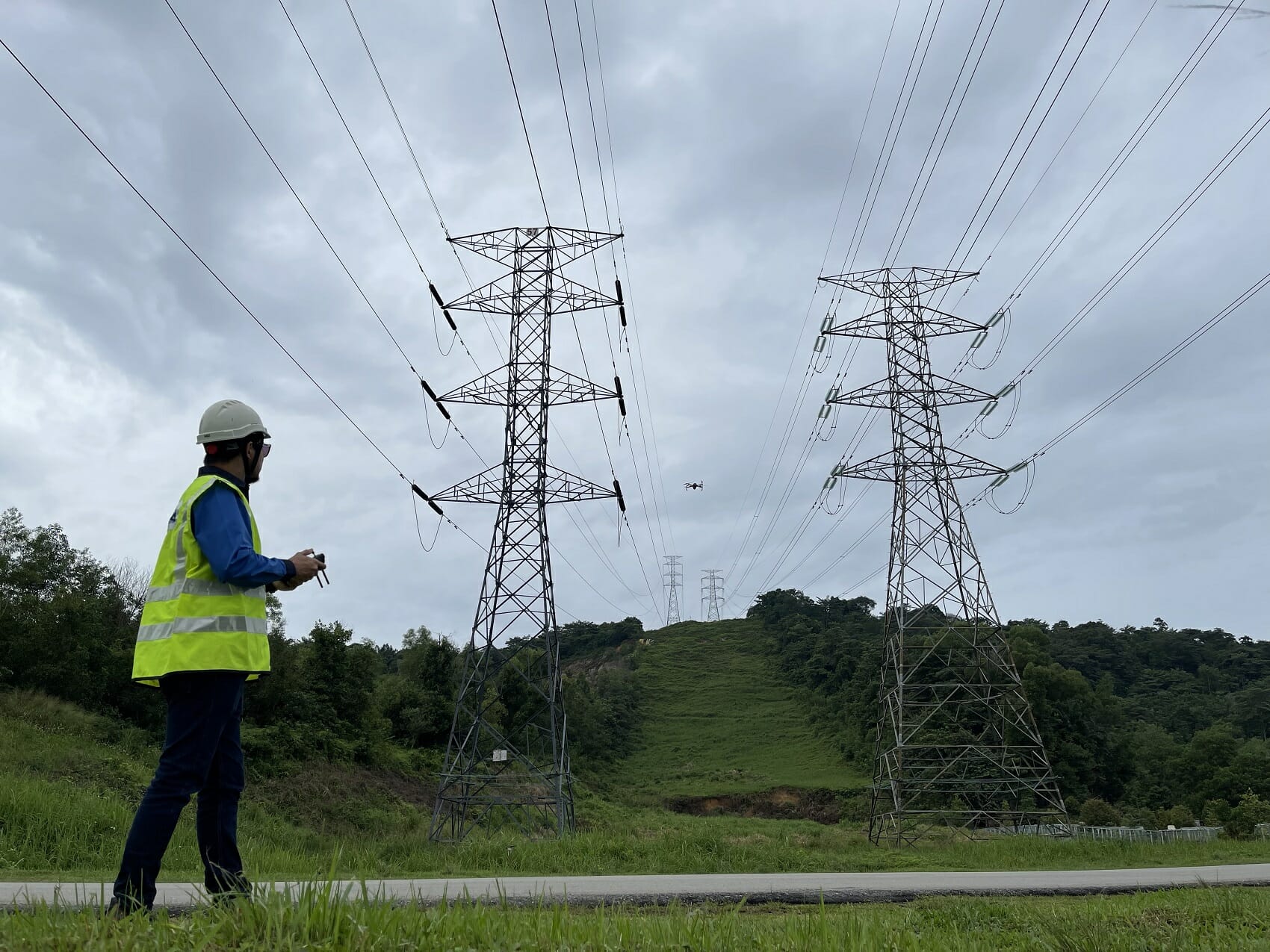
MALAYSIA closed 2025 with renewable energy accounting for 31% of installed electricity generation capacity, meeting the Malaysia Renewable Energy Roadmap target on schedule.
The government has since raised its sights to 32% this year, 35% by 2030, 40% by 2035 and 70% by 2050 under the National Energy Transition Roadmap, while committing to retire coal from the electricity system by 2044.
Since the roadmap’s launch in July 2023, around 5.5 gigawatts of new renewable capacity has been approved and more than RM25 billion in investment attracted.
Judged by targets and investment commitments, Malaysia is making progress. Judged by how the system actually delivers, three things stand out.
First, ambition is not the problem.
Malaysia is not short of renewable energy policy. The Feed-in Tariff, Net Energy Metering, Large Scale Solar, the Corporate Green Power Programme, the Green Electricity Tariff, the National Energy Policy, the transition roadmap and the New Industrial Master Plan all point in the same direction.
Anyone arguing that Malaysia lacks commitment to renewable energy is arguing against the record.
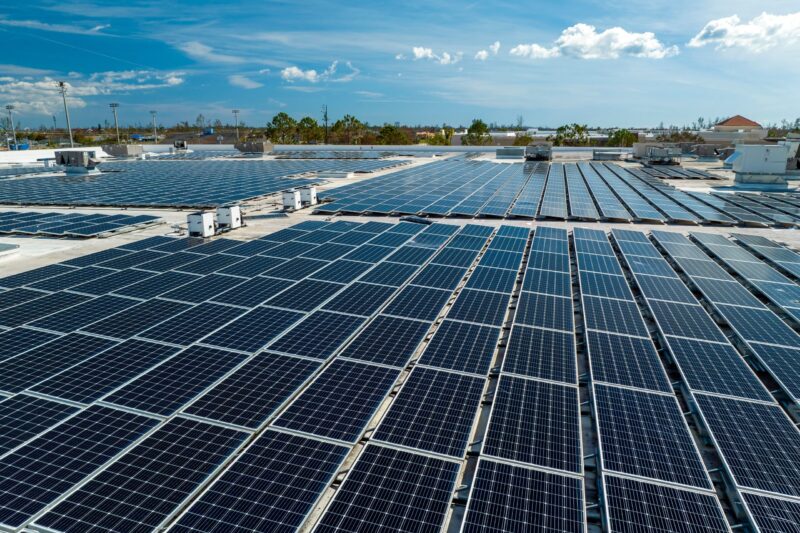
But installed capacity is also the easiest number to celebrate. Meeting a capacity target is largely a procurement achievement.
It does not tell us how long projects waited for approval, how much electricity they ultimately generated, or whether the next project will move any faster.
Second, delivery remains scattered across too many hands.
The Energy Transition and Water Transformation Ministry leads national policy. The Sustainable Energy Development Authority administers programmes such as the Feed-in Tariff and Net Energy Metering.
The Energy Commission regulates the electricity sector and oversees Large Scale Solar. Tenaga Nasional Berhad operates the grid that every project must eventually connect to. The Economy Ministry shapes investment priorities, the Department of Environment handles environmental approvals, and state governments control the land.
Each institution’s role is defensible. Together, however, they can behave bagai enau dalam belukar, melepaskan pucuk masing-masing; like the enau palm in the thicket, each shoot pushing upward on its own.
Every agency may complete its own task, yet the system still slows because no single institution is responsible for the sequence rather than the individual step.
Malaysia’s federal structure makes this more complex. National targets are set federally, but land approval, planning permission and development priorities belong largely to the states.
Sarawak operates under its own electricity supply framework, while Penang has developed its own sustainability planning approach.
This diversity is constitutional, not a flaw to be abolished. But it does mean Malaysia’s national renewable energy figure is an aggregate of several distinct systems, without a permanent forum where federal and state planners can resolve sequencing issues before projects reach multiple approval counters.
The consequences are practical.
Across Asia, renewable energy financing studies consistently rank approval complexity, implementation uncertainty and grid access above capital availability as barriers.
Developers can price technology risks. What they struggle to price is an unpredictable approval journey.
The second consequence is less visible. Different agencies report different data using different definitions and reporting cycles.
Malaysia can confidently state its installed capacity share, yet struggle to answer governance questions that matter equally: How long do approvals take? How much approved capacity is actually generating electricity? Where are the bottlenecks?
Third, the solution is coordination rather than another restructuring exercise.
Malaysia does not necessarily need another roadmap. It needs stronger institutional choreography.
Three measures would make a meaningful difference: a permanent national renewable energy coordination platform chaired at ministerial level with authority to sequence decisions across agencies; a formal federal-state coordination mechanism to resolve land and planning issues alongside national targets; and a shared public data platform using common definitions to track approvals, project timelines and actual electricity generation, not capacity alone.
None of these requires agencies to surrender their mandates. That is precisely their strength.
Coordination reform may be the cheapest energy policy available. It adds no generation capacity, buys no equipment and subsidises no tariffs. It simply reduces friction within the system already in place.
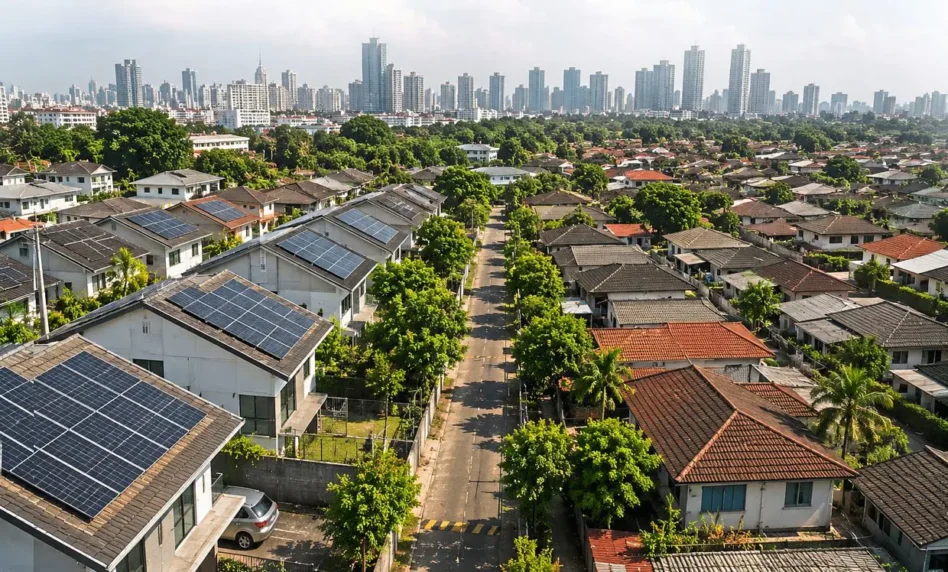
The public also has a role. Households and businesses can adopt rooftop solar through Net Energy Metering, commercial users can choose greener electricity options, and communities can scrutinise state-level planning decisions where projects often slow down.
Transparency matters because institutions tend to coordinate faster when someone outside is keeping score.
The arithmetic ahead is unforgiving. Moving from 31% to 70% renewable capacity while retiring coal by 2044 will become progressively harder as prime sites become scarcer, grid constraints intensify and coordination challenges multiply.
Malaysia has shown it can set ambitious energy targets and meet important milestones.
The less celebrated challenge now is building the institutional machinery that turns those targets into a system that works. ‒ Sept 25, 2026
Megat Amirul Saifulnizam Megat Kamarul Bahrin is a Master of Public Policy candidate at the International Institute of Public Policy and Management (INPUMA), Universiti Malaya. Azizi Abu Bakar is a Research Officer at the Sustainable Development Centre (UMSDC), Universiti Malaya, and Data Steward for Universiti Malaya Open Science (UMOS).
The views expressed are solely of the author and do not necessarily reflect those of Focus Malaysia.
Main image: BusinessToday Malaysia