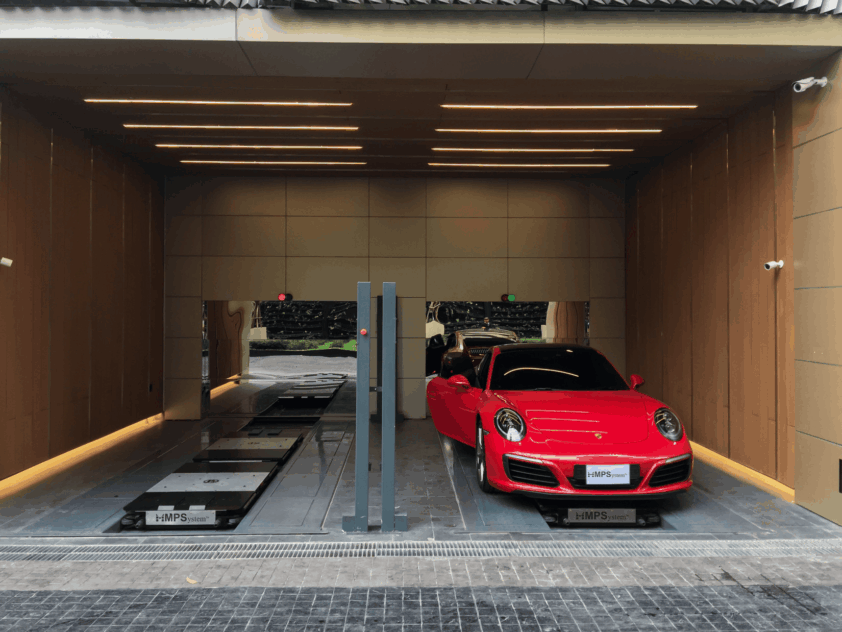

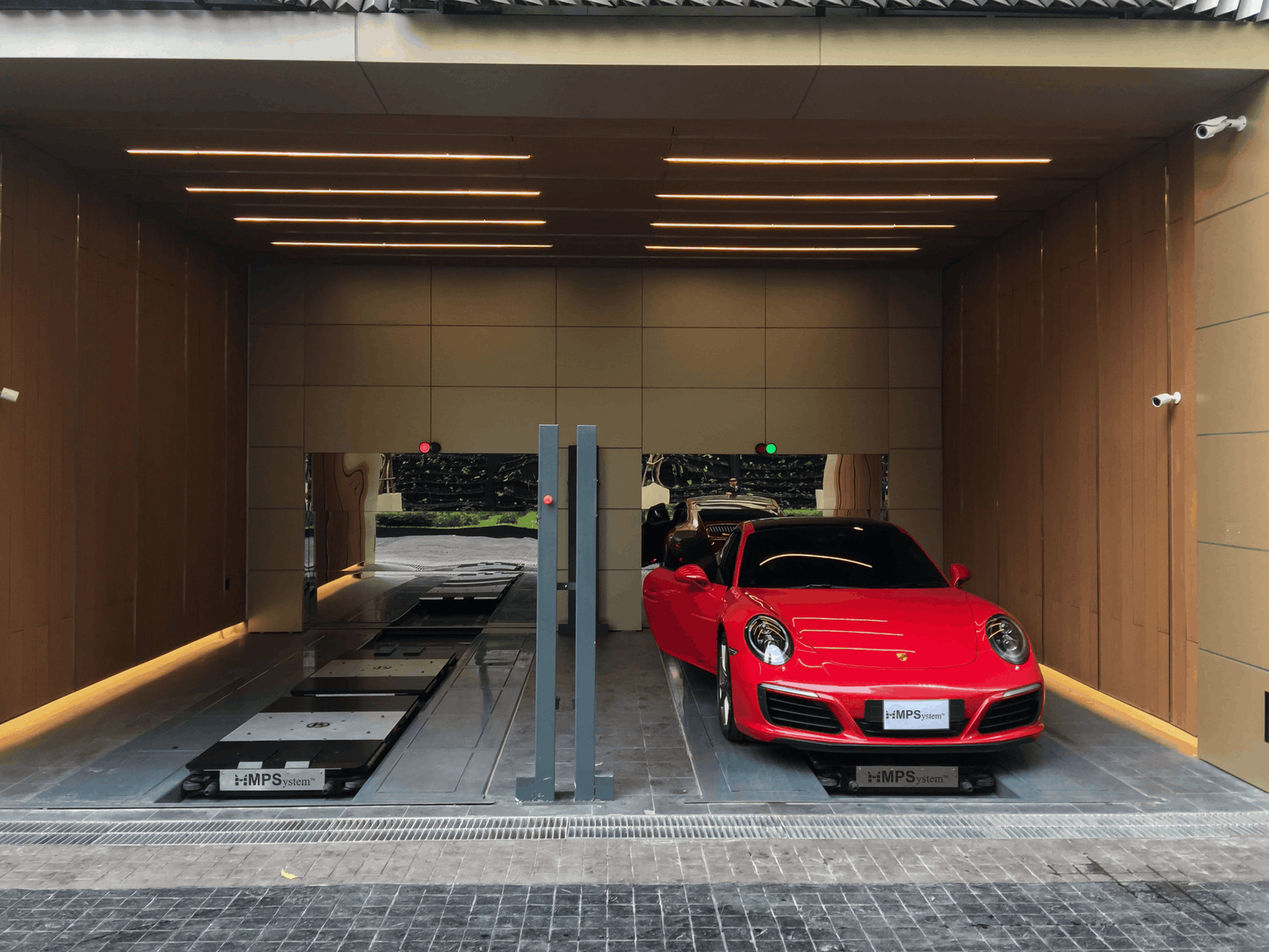
MPSystem, a South Korean robotic parking technology brand developed by SEMPER M Corp., is exploring opportunities in the Malaysian market by introducing automated parking solutions that help architects and property developers maximise parking capacity within limited building space.
The technology offers an alternative to conventional parking layouts, with potential benefits for space utilisation, construction costs, and building functionality.
Parking facilities play an important role in building design, particularly in urban developments where space is limited.
Conventional parking areas require driving lanes, turning spaces, and access ramps, which can reduce the area available for residential, commercial, or other building functions.
The need for efficient parking infrastructure is becoming increasingly relevant as more vehicles require parking facilities. Malaysia recorded 846,861 new motorcar registrations in 2025, according to the Department of Statistics Malaysia, based on Road Transport Department data.
For projects in urban centres such as Kuala Lumpur and George Town, Penang, developers face the challenge of accommodating parking demand without compromising usable building space.
“Parking should be considered as part of the overall building design from the earliest planning stages,” said said Sean Kim, vice president at SEMPER M Corp.
“Integrating robotic parking early gives architects and developers greater flexibility to optimise space, achieve the required parking capacity, and explore design possibilities that may not be feasible with conventional parking.”
Maximising parking capacity through robotic technology
MPSystem addresses these challenges through an automated parking system that reduces the need for conventional vehicle circulation areas.
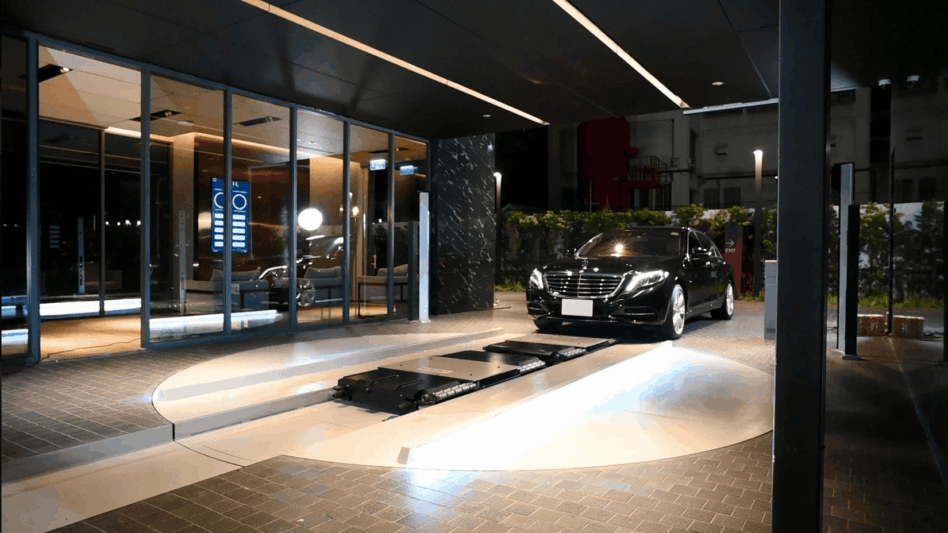
Drivers leave their vehicles at designated drop-off points, where robotic equipment automatically transports them to assigned parking spaces.
The system uses Duo and Duo Pro parking robots, supported by automated vehicle transport equipment that can be adapted to different building layouts.
By reducing the space needed for driving lanes and vehicle movement, developers can explore more compact parking configurations.
For example, in an overseas shopping mall project in Bangkok, Thailand, an MPSystem design increased the proposed parking capacity by approximately 46%, from 472 spaces in the original layout to 690 spaces in the redesigned configuration.
This is a Thailand-based design example and does not represent a completed installation in Malaysia.
However, achieving these benefits depends on early planning. Factors such as structural column arrangements, floor heights, vehicle access, and drop-off locations should be evaluated during the initial design stage to determine how effectively robotic parking can be integrated into a building.
Integrating robotic parking early can help developers optimise available space while potentially reducing basement construction requirements and associated costs.
Planning for long-term building efficiency
Beyond parking capacity, MPSystem offers an alternative approach to long-term building planning.
As buildings are designed to remain in use for decades, parking infrastructure should be evaluated not only for current requirements but also for future functionality and efficient space utilisation.
Robotic parking also changes how people interact with parking facilities. By separating vehicle storage areas from pedestrian access, the system is designed to reduce direct interaction between users and moving vehicles.
Designated drop-off and retrieval areas can also provide a more convenient arrival experience for residents, office workers, and visitors.
For architects and developers, these considerations make parking an important part of overall building planning, rather than simply a facility added to accommodate vehicles.
Every square metre that can be rethought during design may open possibilities for amenities, circulation, retail, or other valuable uses.
Bringing international experience to Malaysia
MPSystem has established an international presence with more than 11,000 parking spaces across projects in 12 countries.
Its portfolio spans residential buildings, commercial properties, hotels, hospitals, and mixed-use developments in markets including South Korea, Thailand, the United Arab Emirates, Sri Lanka, and Mexico.
Building on this experience, MPSystem is introducing its robotic parking solutions for consideration in Malaysian developments, particularly projects in their early planning and design stages.
This allows architects, contractors, and developers to assess how automated parking can improve space utilisation, accommodate parking demand, and support a building’s long-term functionality.
“Buildings are designed to serve people for decades, so parking should be planned with both current needs and long-term efficiency in mind. We believe robotic parking can help developers make better use of limited space while preparing their buildings for future requirements,” added Kim.
As urban space becomes increasingly valuable, robotic parking provides another option for developers to consider when designing buildings that balance parking capacity, efficient land use, and long-term value.
MPSystem’s collaboration with Wiitrac Elevator Sdn. Bhd. also reflects the growing adoption of robotic parking technology in Malaysia.
On Dec 27, 2025, Wiitrac Elevator was recognised by The Malaysia Book of Records for the country’s first robotic car park system, marking a significant milestone in the development of automated parking infrastructure in Malaysia. ‒ Nov 26, 2026