
WHY IS it that fast food chain restaurants are called fast food in the first place? For a fast answer, we decided to consult with ChatGPT too and here is the reply.
According to ChatGPT, it is called fast food because the whole system is built for speed— fast to cook, fast to serve, fast to eat.
Pre-prepped ingredients, standardised menus, specialised equipment and quick service model all clash the wait time compared to a conventional restaurant where dishes are cooked individually and service is slower.
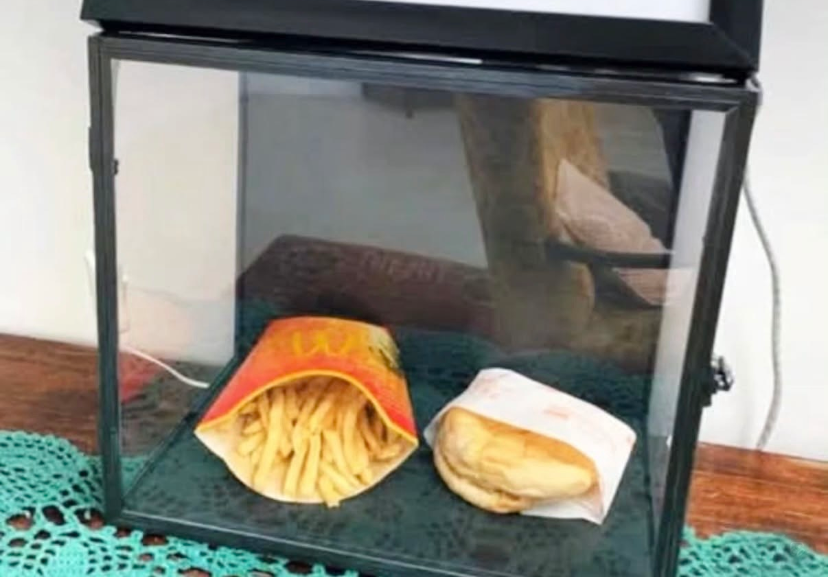
But it appears fast food is more than just fast. Customers who eat it regularly will likely have a shorter life span too. Take it from a recent post on X by netizen @historyinmemes, which showed the last McDonald’s Cheeseburger sold in Iceland in 2009.
The post can be found at: https://x.com/historyinmemes/status/2015727664703656437
The burger which came alongside the fries is kept in a glass box. What’s shocking was the fact that the meal looked exactly the same 17 years later in the future.
Netizens are shocked by this discovery and are voicing out their concern in the comment section.
“That burger’s been sitting there longer than most marriages last,” said a sarcastic @0xVeepul while netizen @BeAlterEgos added that even the bacteria knows that isn’t food.

“Pair it with some curry sauce dip and that looks good to be honest,” pointed out @blue_clarity. Also, @LeahRay warned that the beef might not be beef if it could hold up for over 17 years.
A sharp eyed netizen added that the cardboard on the fries have deteriorated more than the fires themselves. So what is the mystery behind this seemingly immortal cheeseburger and fries?

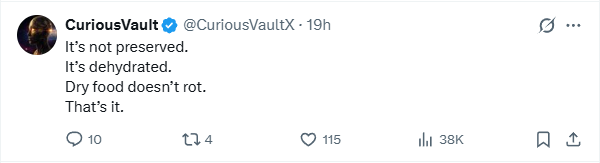
According to netizen @CuriousVaultX, the meals stand up well against the passage of time due to it being dehydrated. “Dry food doesn’t rot. That’s it,” he said. Another netizen said the high salt content within the meal further aids in the preservation process.
Then there was @inflightvideos adding that the meal was further placed within an airtight container, hence the mysterious, well preserved condition of the meal.
On another note, the website serious eats.com said the reason a McDonald’s burger doesn’t rot has nothing to do with chemicals, lack of nutrition, or anything else you should be scared of. It all comes down to water activity.
“See, a McDonald’s hamburger is small and thin, giving it a very high ratio of surface area to volume. It is cooked well-done on a very hot griddle,” said the website.
These factors contribute to rapid moisture loss, resulting in a burger that dries out long before it can start to rot.
Moreover, the burgers are cooked in a food-safe environment to a very high temperature that kills any bacteria, and are thus relatively free of any agents of decay to begin with.
Mystery solved? We like to think so as we chow down upon a McDonald’s cheeseburger while we are writing this story. — Jan 27, 2025
Main image: @historyinmemes (X)