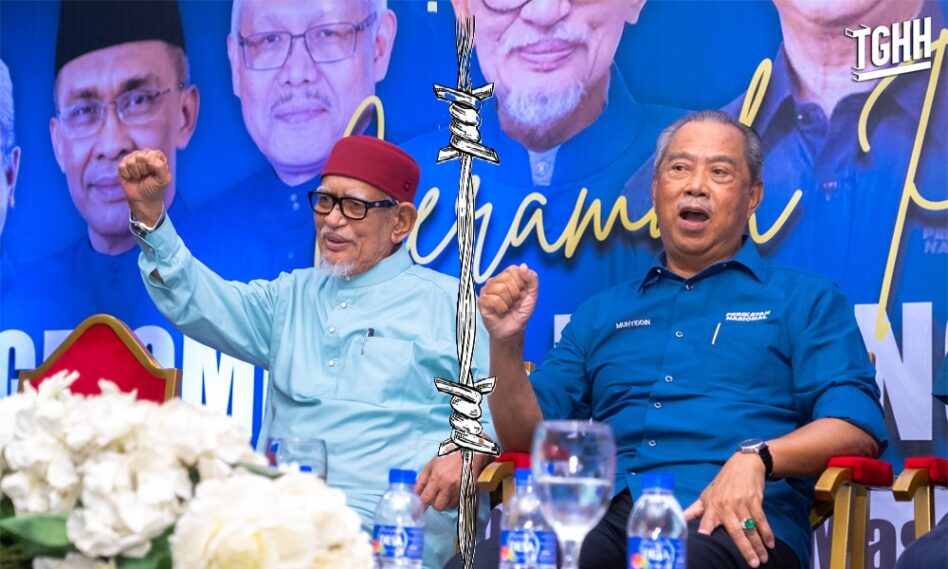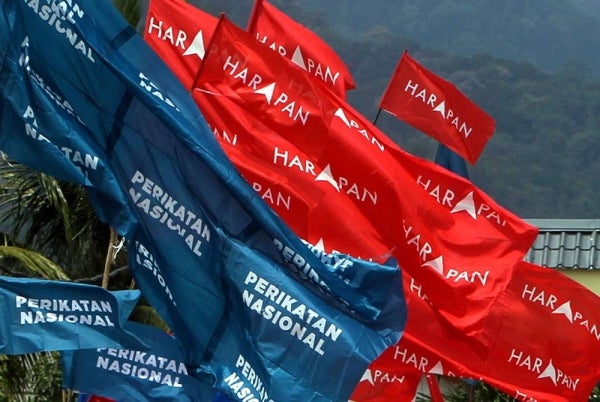

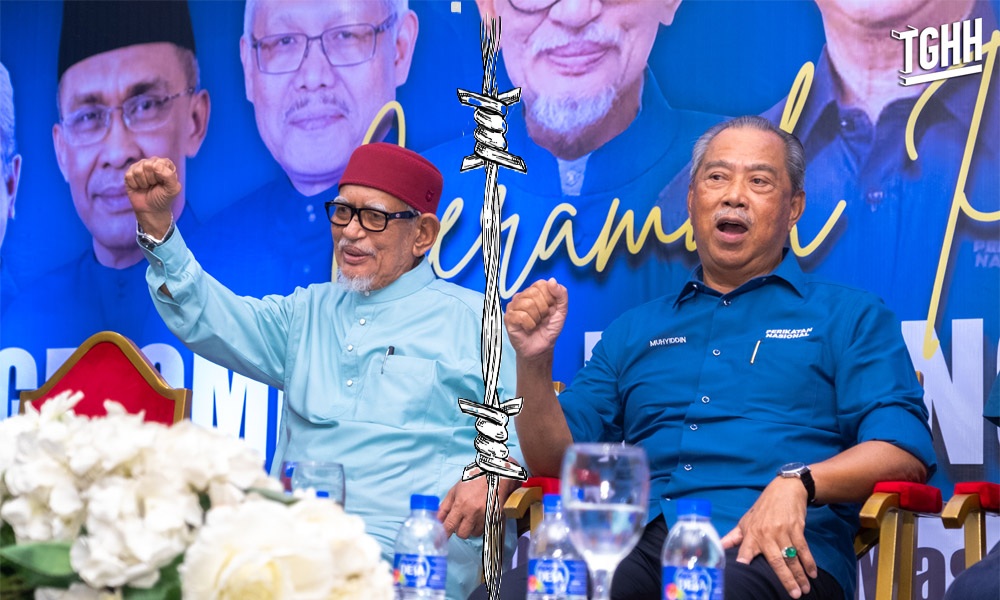
PAS should not be surprised that the Registrar of Societies (ROS) has warned the opposition coalition that Perikatan Nasional (PN) could face further action for flouting the rules and regulations governing the coalition.
The immediate issue is serious. ROS issued a show-cause notice to PN on Sept 22 under Section 13(2) of the Societies Act 1966 which requires the coalition to explain a complaint lodged by Bersatu.
ROS subsequently suspended all PN activities from Sept 23 under Section 13(2A) on grounds that the measure was intended to protect the organisation from continuing to breach its own rules.
ROS has stressed that the notice is not itself a decision to de-register PN.
Bersatu – although a member of the PN coalition – was deliberately kept out of the meetings and decisions taken by the coalition. This clearly contravened the provisions of the constitution of the opposition coalition.
Bersatu’s complaint to ROS concerned, among other things, its exclusion from the PN Supreme Council meeting on July 16 and questions relating to its membership status in the coalition.
Wawasan as new Bersatu
Bersatu secretary-general Datuk Seri Mohamed Azmin Ali has also alleged that Bersatu was denied its right not only to attend but express its views and vote at Supreme Council meetings.
PAS’ secretary-general Datuk Seri Takiyuddin Hassan blamed the Madani government for putting political pressure on the opposition coalition.
The PAS-controlled PN has said it disagrees with the basis of the ROS action and intends to pursue the available legal processes.
Long before PN was issued with the warning by ROS, there were a number of instances of arbitrary decision-making in PN, a coalition completely dominated by PAS.
There were systematic attempts to ensure Bersatu would not play an active role in the PN coalition.
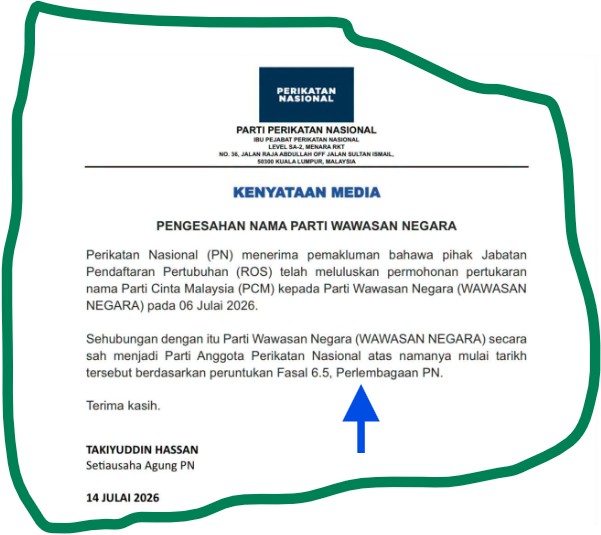
The admission of Wawasan (newly formed Parti Wawasan Negara) was a deliberate attempt to sideline Bersatu.
While political moves might not have contravened the rules and regulations, it was the deliberate move to sidestep the requirements of the constitution of the coalition that is the main issue.
The admission of Wawasan itself became controversial because it followed the transformation of Parti Cinta Malaysia with ROS approving the name change on July 6.
PN subsequently declared Wawasan as a component party in accordance with Clause 6.5 of the PN Constitution.
PAS likes to “cry wolf” if its problems are pointed out. PN might be an opposition coalition but for all intents and purposes it is the mouthpiece of PAS.
PAS president Tan Sri Hadi Awang apparently makes the decisions of the PN coalition outside the meetings of the coalition.
In a way, the PN coalition is not only controlled by PAS but more seriously by one man – Hadi – the PAS supremo.
How can there be democracy in the PN coalition when new members are admitted without proper discussions?
Not political victimisation
How come decisions taken are not reported to the ROS in accordance with law?
More fundamentally, how can a coalition claim to be democratic when one of its component parties is denied the opportunity to attend meetings, express its views and vote on decisions affecting the coalition?
Having broken the law pertaining to the conduct of the coalition, the PN leadership cannot turn around to complain about being victimised by the authorities.
For PAS there are two sets of laws, one for others and one for itself and the coalition it controls.
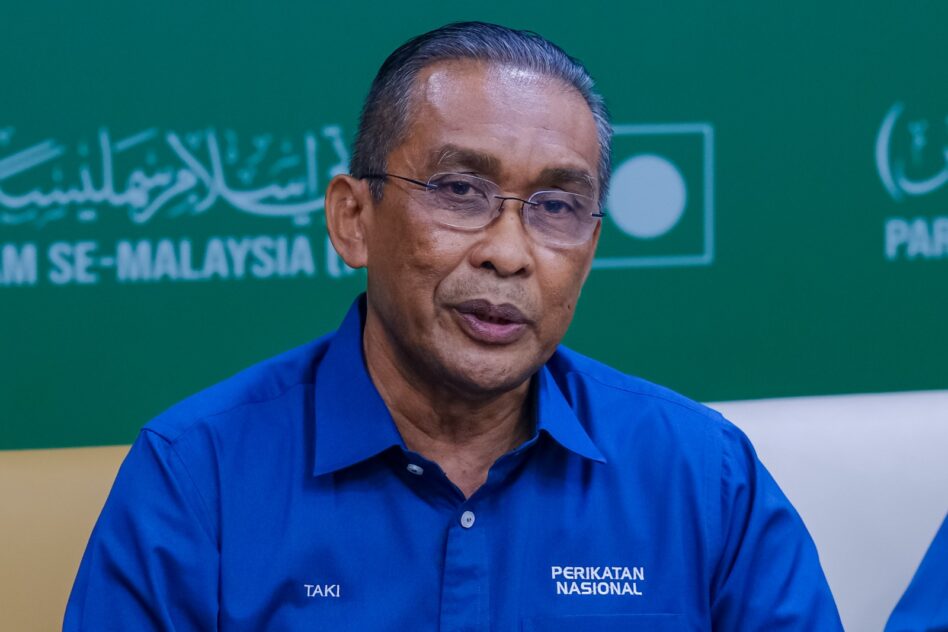
Takiyuddin as a lawyer should know about the problems that ail the PN coalition.
It is just that PAS wants to dominate and control the coalition to the extent that it is prepared to flout rules and regulations.
The sidelining of Bersatu is a classic example of how PAS through PN sought to deal with internal differences.
The ROS action should therefore not be dismissed simply as political victimisation. The regulator has said that it is acting on a formal complaint and examining the matter under the Societies Act 1966, the Societies Regulations 1984, PN’s approved constitution and its official records.
The real question is whether PN and PAS as its dominant component is prepared to respect the coalition’s own constitution.
A political coalition cannot demand accountability from others while refusing to practise accountability within its own ranks. – Sept 27, 2026
Former DAP stalwart and Penang deputy chief minister II Prof Ramasamy Palanisamy is chairman of the United Rights of Malaysian Party (Urimai) interim council.
The views expressed are solely of the author and do not necessarily reflect those of Focus Malaysia.