
THE Galen Centre for Health and Social Policy has raised strong objections to a proposed RM3.06 bil reduction in the Health Ministry’s budget, warning it could significantly weaken the country’s public healthcare system.
Its chief executive officer Azrul Mohd Khalib said the proposed cut would have direct consequences across the healthcare system, affecting hospitals, clinics, and patients nationwide.
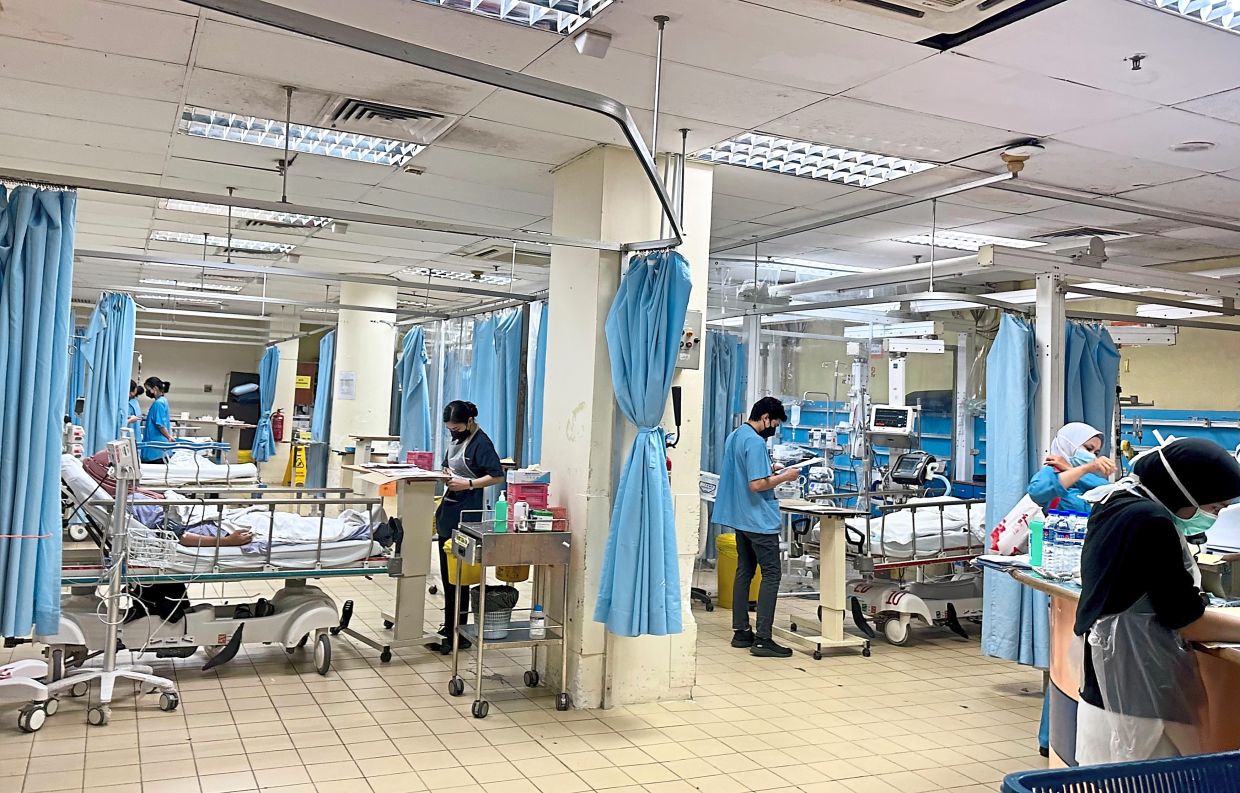
“A RM3.06 bil cut is not an accounting adjustment. It will be felt in hospital wards, emergency departments, operating theatres, and clinics,” he said.
He warned the reduction could lead to delayed procedures, longer waiting times, medicine shortages, deteriorating facilities, and increased strain on healthcare workers.
Malaysia’s public healthcare system is already under pressure from rising patient volumes, increasing non-communicable diseases, ageing infrastructure, and workforce shortages, he added.
“This comes at the worst possible time. Hospitals and clinics are not asking for luxury, but for the minimum resources needed to operate safely,” Azrul said.
He noted that more than 70% of Malaysians rely on the public healthcare system, meaning any reduction in funding would disproportionately affect low-income groups, older persons, and patients with chronic conditions.
The Galen Centre also questioned the fiscal rationale behind the proposed cut, pointing out that it is smaller than the estimated RM4 bil spent monthly on fuel subsidies.
“When health budgets are cut, the consequences are immediate and real. Patients may face delays in cancer treatment, dialysis centres may struggle with supplies, and hospitals may postpone critical equipment upgrades,” he said.
The centre warned that the reduction could result in postponed surgeries, worsening waiting times, shortages of essential medicines and devices, and the loss of trained healthcare personnel.
Azrul cautioned that cutting healthcare spending may lead to higher long-term costs, as untreated conditions worsen and place greater strain on the system.
“Cutting health spending does not reduce disease. It shifts the burden to patients, families, and future budgets,” he argued.
He urged policymakers to reconsider the proposal, stressing that public healthcare is a critical pillar of social protection and economic stability.
“Health is not a discretionary expense. It is a core public investment that safeguards lives, productivity, and national resilience,” he added. ‒ April 29, 2026
Main image: The Star