
CREATIVE leaders from four Southeast Asian countries have renewed the Southeast Asian Creative Cities Network (SEACCN) memorandum of understanding (MOU) recently, signalling a stronger regional push to advance creativity-led urban development and improve the global profile of the region’s creative economy.
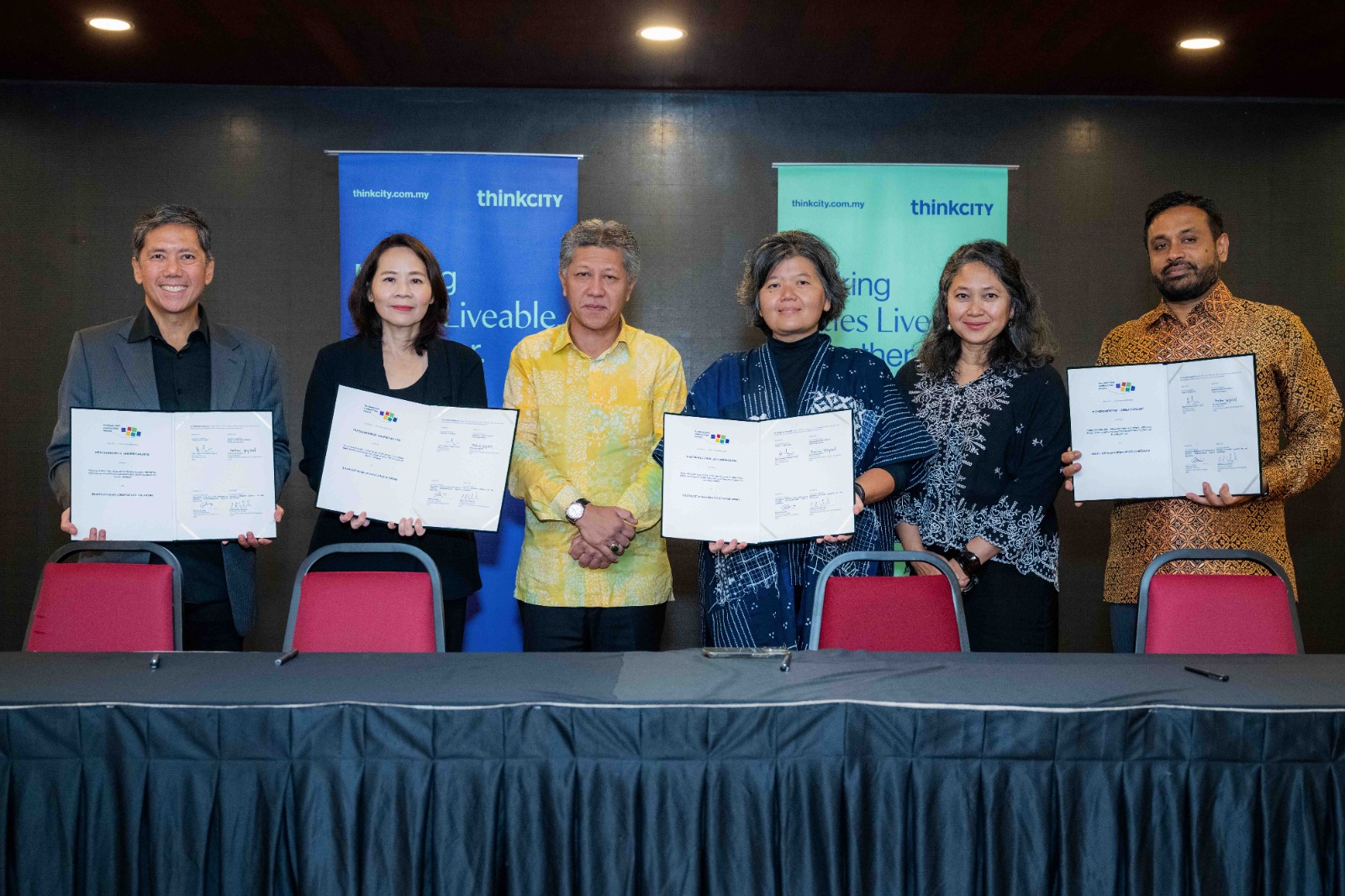
Inked on Nov 15 at an event hosted by Kuala Lumpur City Hall (DBKL) and Think City, the renewed commitment brought together Malaysia’s Think City’ Thailand’s Creative Economy Agency; Indonesia Creative Cities Network; and the Creative Economy Council of the Philippines.
The collaboration comes at a time when Southeast Asian governments are showing greater interest in culture and creativity as tools for economic resilience and urban renewal.
Kuala Lumpur’s recent designation as a UNESCO Creative City of Design reflects this momentum across the region.
Tourism, Arts and Culture Ministry’s secretary-general Datuk Shaharuddin Abu Sohot who officiated the event has described the renewed MOU as an important step forward for the regional creative ecosystem.
“In Malaysia, culture and creativity have long been central to our national identity,” he pointed out.
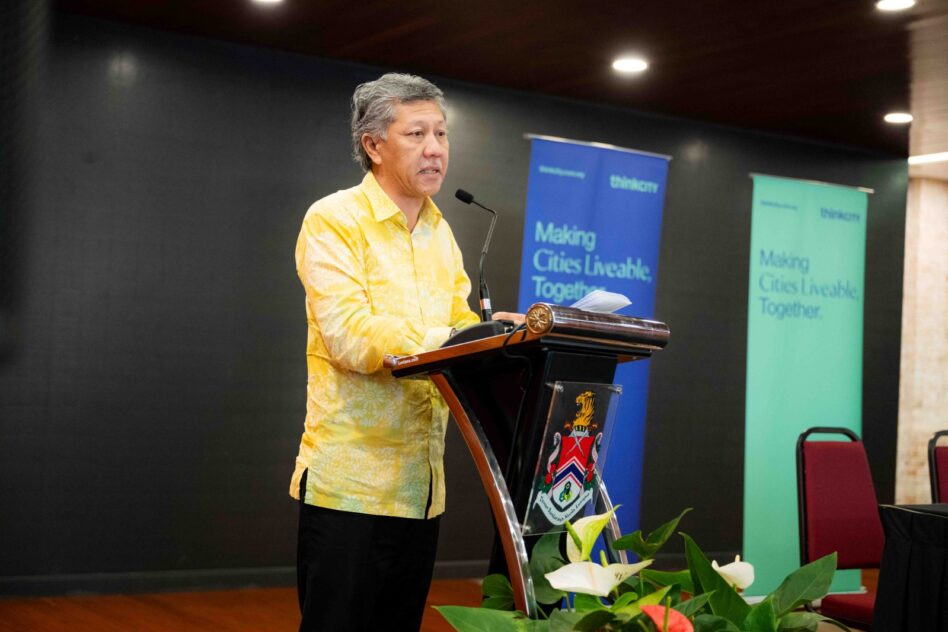
“From the richness of our tradition to the vibrancy of our creative industry, these sectors have shaped how we see ourselves, how we express who we are and how we connect with the rest of the world.”
Set up in 2009 under sovereign wealth fund Khazanah Nasional Bhd, Think City’s mandate is to create more sustainable and equitable places through the arts and creativity.
Thriving on similarities
As Southeast Asian cities face similar social and urban challenges, they stand to gain from deeper partnerships with creativity is emerging as a strategic driver of re-generation and resilience, according to Think City managing director Datuk Hamdan Abdul Majeed.
The MOU outlines a shared mission for cities that recognise creativity as a factor in sustainability and community well-being.
It places culture and creativity at the heart of urban regeneration and economic development, promotes the exchange of cultural content and seeks to build ecosystems that support creative talent while widening access to culture.
To advance these goals, SEACCN will focus on six areas: knowledge exchange; joint regional projects; exchanges involving artists; academics and policymakers’ research and evaluation; policy support; and public awareness.
Membership will also be expanded to include more cities, particularly those looking to develop creativity-driven urban agendas.
The signatories were Malaysia’s Think City, Thailand’s Creative Economy Agency, Indonesia Creative Cities Network and the Creative Economy Council of the Philippines.
Established in 2014, SEACCN began as a platform for cities to collaborate at a time when the creative economy was still emerging as a national development priority.
Over the past decade, its member cities have shared best practices, co-hosted festivals and design weeks as well as developed creative urbanism initiatives to address local social, economic and environmental needs. – Nov 19, 2025