


HARMFUL or otherwise, the Malaysian public has been reminded that possession of pornographic materials can be deemed illegal even if they are purely for “safe, private consumption”.
In the words of human rights activist and lawyer Siti Kasim, the Malaysian law is not explicitly clear about “purely private, personal-use possession” with enforcement tending to be conservative and influenced by moral and religious considerations.
“In practice, authorities can act, especially if the material is discovered during investigations or there are complaints or related offences,” observed the Orang Asli advocate in a YouTube rant.
“It’ll be double whammy for Muslims as they are also subject to state-level Syariah laws which may penalise them for possession of obscene materials and acts considered ‘indecent’ or immoral (enforcement varies by state but risk is higher compared to non-Muslims).”
Siti Kasim was commenting on the case of a Kelantanese single mother fined RM2,000 by the Bachok Magistrate’s Court on April 9 after pleading guilty to a charge of storing about 100 pornographic materials including pornographic videos in her Realme 9 cellphone last week.
Canteen assistant Siti Munirah Muhamad, 32, was charged under Section 292 of the Penal Code which provides for a jail sentence of up to three years or a fine or both if convicted.
Pembantu kantin miliki 100 video lucah didenda RM2,000
Tertuduh, Siti Munirah Muhamad, 32, dihukum Majistret Fakhrul Razzi Abd Hamid selepas dia mengaku bersalah atas pertuduhan yang dibacakan terhadapnya.
Artikel: https://t.co/Dua5A08Dap#SinarHarian #BeritaTerkini #Threads pic.twitter.com/woBNq376qp
— SinarHarian (@SinarOnline) April 9, 2026
Grey area
Delving further, Siti Kasim cautioned that the Malaysian laws on “obscene materials” are increasingly out of step with digital reality.
Under the Penal Code and the Communications and Multimedia Act 1998, the line between private possession and criminal conduct is dangerously blurred.
Let’s be clear that sharing or distributing non-consensual or exploitative content should absolutely be illegal and content involving minors must remain a serious crime.
But beyond that, we enter a legal grey zone for a person can today face scrutiny not for harming others but for what exists privately on their own device. The existing law doesn’t clearly distinguish between private adult consumption, commercial distribution and public harm.
This creates three serious problems, namely (i) over-criminalisation when the law is vague till almost anyone can fall within its scope; (ii) selective enforcement (vague laws are easily used inconsistently or worse, selectively); and (iii) privacy concerns.
“In a digital age, our phones are extensions of our private lives. Without clear limits, enforcement risks intruding into personal autonomy,” opined the 63-year-old legal eagle who graduated from Queen Mary School of Law with an LLB in 1995.

“The issue is not about morality but it’s about legal certainty and proportionality.
“If Malaysia wants to maintain credibility as a modern legal system, it must (i) clearly define what constitutes a crime; (ii) distinguish private conduct from public harm; and (iii) ensure enforcement is consistent, transparent and proportionate.”
Constitutional challenge
Pointing to Article 5 of the Federal Constitution (FC) which guarantees all Malaysian citizens personal liberty (including various aspects of privacy and autonomy). Siti Kasim contended that “the state must justify why private, non-harmful conduct should attract criminal sanction”.
“Article 8 guarantees equality and non-arbitrary enforcement yet ‘obscenity’ is un-defined and subjective, hence enforcement becomes selective, inconsistent and vulnerable to abuse,” lamented the Methodist Girls School (MGS) Melaka alumnus.
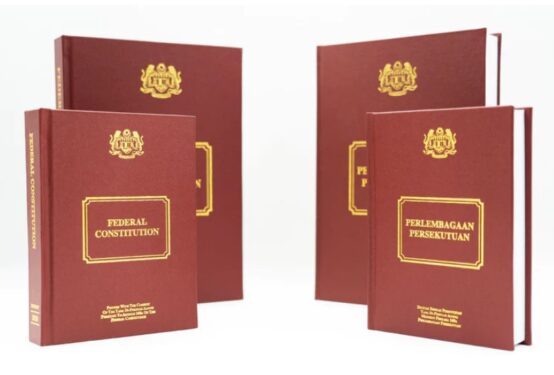
Likewise, while the FC’s Article 10 protects expression and access to information to which private consumption of adult material may fall within personal expression, one may still be subject to blanket criminalisation which is overbroad and disproportionate or “fail to distinguish between private vs public and consensual vs harmful”.
The bottom line is porn consumers must be aware of what Siti Kasim described as “slippery enforcement power”.
Without clear limits, authorities gain intrusive powers over personal devices, thus the Malaysian public are exposed to the risk of fishing expeditions, moral policing and selective targeting which can be constitutionally dangerous in a digital age.
This is not about defending obscenity. It’s about this fundamental question of can the state criminalise what an adult privately possesses on their own device when no harm is caused to others
If the answer is yes, then the boundary between law and personal autonomy becomes dangerously thin.”– April 14, 2026
Main image credit: Utusan Malaysia