
THE recent case of a 16-year-old girl detained for nine days under the Security Offences (Special Measures) Act 2012 (SOSMA) forces us to ask a hard question: in our rush to feel secure, how many of our own rules are we willing to ignore?
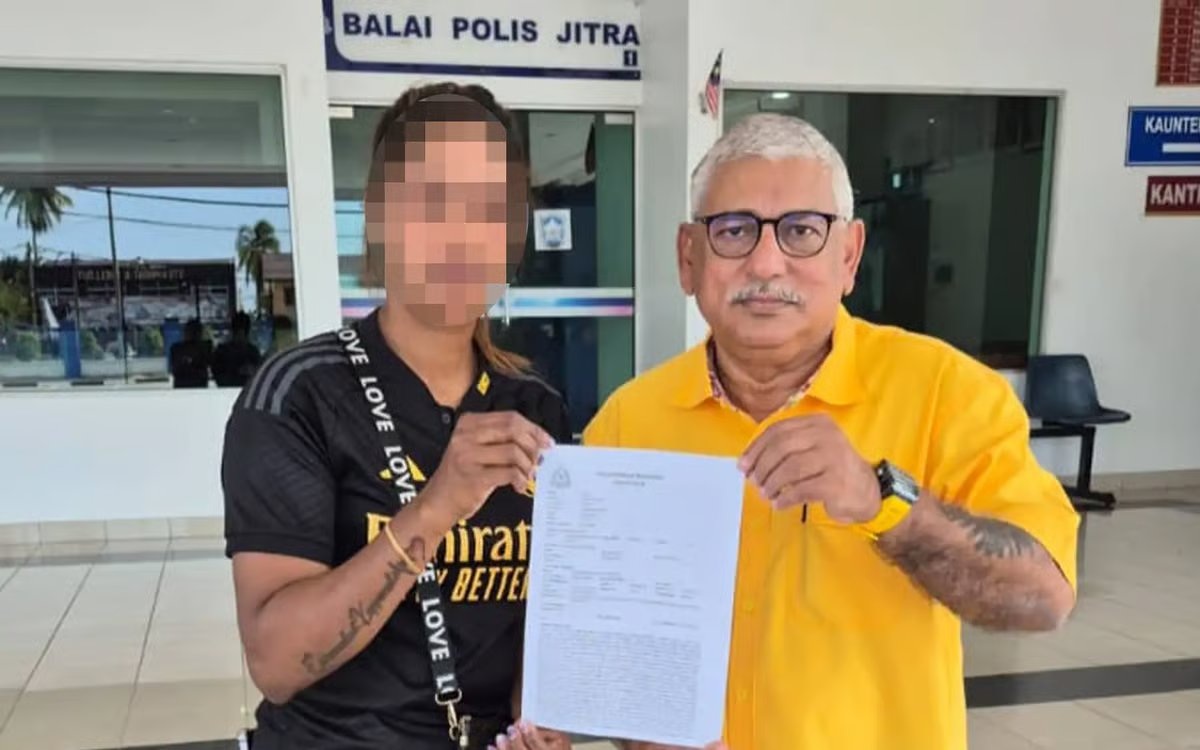
The details, as shared by Bagan MP Lim Guan Eng, are stark: a teenager, arrested at a roadblock in Jitra, Kedah on suspicion of smuggling migrants, was held for over a week.
In that time, she reportedly suffered panic attacks, vomiting, and skin allergies, and was kept with adult women. Regardless of the suspicions, this picture should give any fair-minded person pause.
SOSMA was sold as a necessary tool for extreme, urgent threats. But laws based on prevention and suspicion are risky by nature.
They can take away a person’s freedom based on what might be true, not on what has been proven. That risk becomes unacceptable when it falls on the most vulnerable among us.
The most damning part? SOSMA actually has a safety valve written into it. Section 13, while denying bail in most cases, explicitly carves out exceptions for minors, women, and the sick. This girl checked two of those boxes.
The fact that this exception seems to have been overlooked isn’t just a minor slip-up—it shows that the law’s own internal brakes failed.
If the safeguards within a law can be bypassed so easily, then the flaw isn’t just in the people using it, but in the law’s very design.
Our Constitution promises us liberty and due process. These aren’t just fancy words on paper; they’re supposed to be the daily practice of how power is used. Holding a child for days without proper judicial review, to the point of causing her physical and mental distress, hollows out that promise, even if some technicality allows it.
We’ve also made promises to the world. By agreeing to the Convention on the Rights of the Child, Malaysia committed to detaining children only as a last resort, for the shortest possible time, in conditions that consider their fragility.
A child’s mind and heart are more easily scarred. A security law that forgets this doesn’t just investigate a crime—it can inflict a trauma that lasts far longer.
Some will say that questioning SOSMA means you don’t care about security. That’s a false choice. We can—and must—want both safety and justice. In fact, laws that are seen as fair and respectful are stronger in the long run, because people will trust and support them.
The real danger of laws like SOSMA is how the “extraordinary” slowly becomes normal. What starts as a tool for rare crises can creep into everyday use. And when that happens, it’s regular people—and now, even children—who pay the price.
The call to scrap or radically reform SOSMA isn’t about being soft on crime. It’s about being smart and just. We can have security without sacrificing our principles.
Strengthening judicial oversight, making protections for minors automatic and unbreakable, and holding officials accountable wouldn’t weaken our safety—it would strengthen our society’s foundation.
This story is about more than one girl. It’s a reflection of who we are and who we want to be. Security matters. But a security built by sidelining fairness and due process isn’t true safety. It’s just the quiet acceptance of something going wrong. ‒ Jan 26, 2026
KT Maran is a Focus Malaysia viewer.
The views expressed are solely of the author and do not necessarily reflect those of Focus Malaysia.
Main image: Free Malaysia Today