
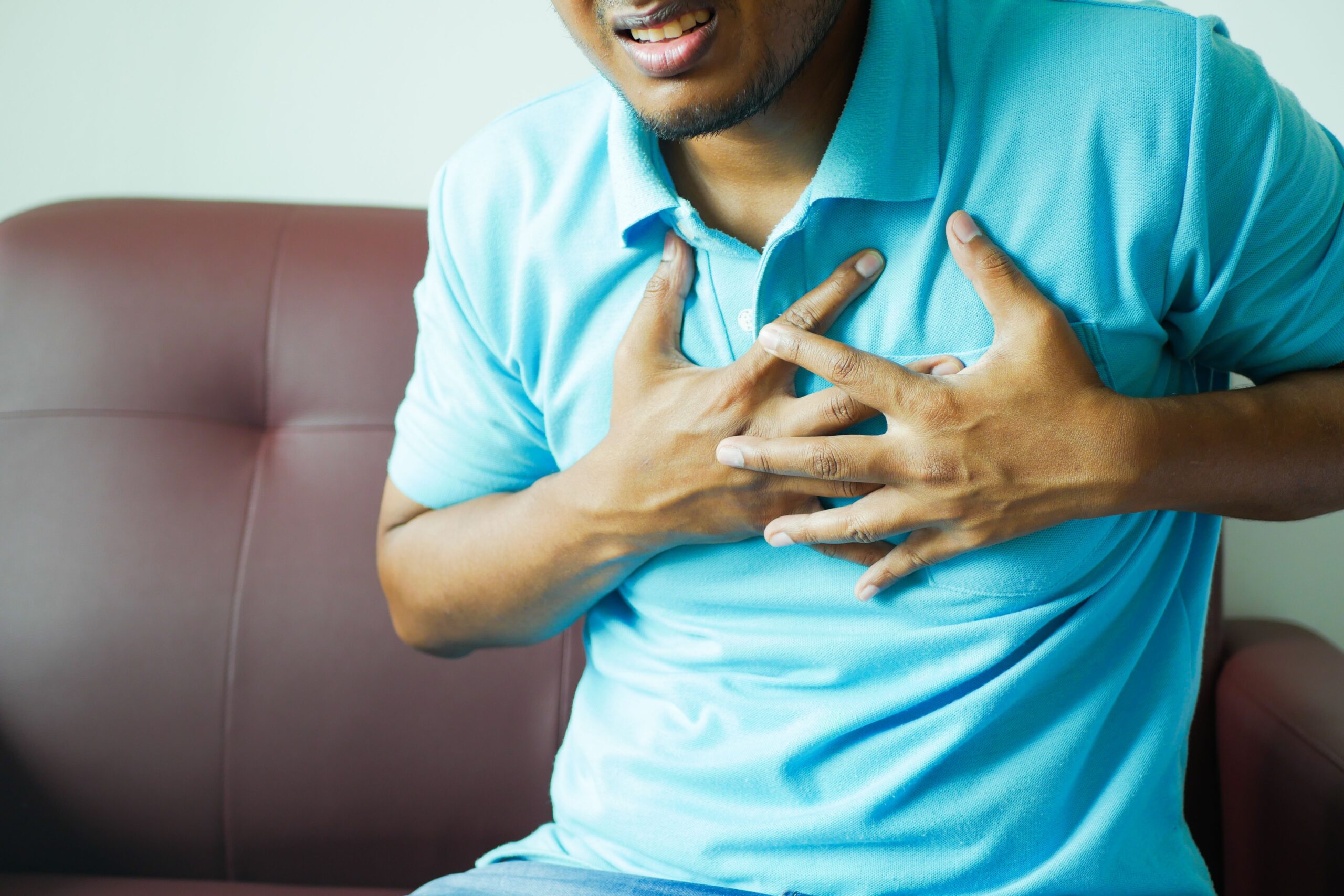
A 55-year-old man suddenly collapsed at the arrival hall of Kuching International Airport. As panic spread among bystanders, a woman stepped forward and began cardiopulmonary resuscitation (CPR). Several healthcare workers nearby joined in.
The man regained circulation, was taken to hospital and later received further treatment. When his family later tried to locate the woman to thank her, she chose to remain anonymous.
Stories like this often capture public attention because they remind us of the best of humanity. Yet beyond the emotional appeal lies an important lesson.
In a medical emergency, survival does not depend solely on hospitals, ambulances or specialist care. It also depends on what happens in the crucial minutes before professional help arrives.
Emergency physicians understand this reality all too well. When a person suffers a sudden cardiac arrest, every minute matters. Without oxygen-rich blood reaching the brain and other vital organs, irreversible damage can begin within minutes.
While emergency medical services play a critical role, they cannot be everywhere at once. Traffic congestion, distance, weather conditions and geography mean that even the most efficient ambulance service requires time to reach a patient.
The critical question is therefore not only how quickly help can arrive. It is who will help before help arrives.
Those first few minutes often determine whether a person survives, recovers fully or suffers permanent disability. Unfortunately, many Malaysians remain uncertain about what to do during a cardiac emergency.
Some fear causing harm if they intervene. Others worry about performing CPR incorrectly. Many have never received formal training. Even when an Automated External Defibrillator (AED) is available nearby, people may hesitate because they do not know how to use it.
The result is that valuable time is often lost while bystanders wait for someone else to act.
This is not a uniquely Malaysian problem. Around the world, healthcare systems increasingly recognise that improving survival rates from cardiac arrest requires more than expanding hospital capacity. It requires communities that are prepared and confident enough to respond.
In other words, saving lives begins long before a patient reaches the emergency department.
This is where public education becomes as important as medical technology. Every additional person trained in CPR represents another potential first responder. Every workplace, school, sports facility, place of worship and neighbourhood equipped with CPR knowledge strengthens the chain of survival.
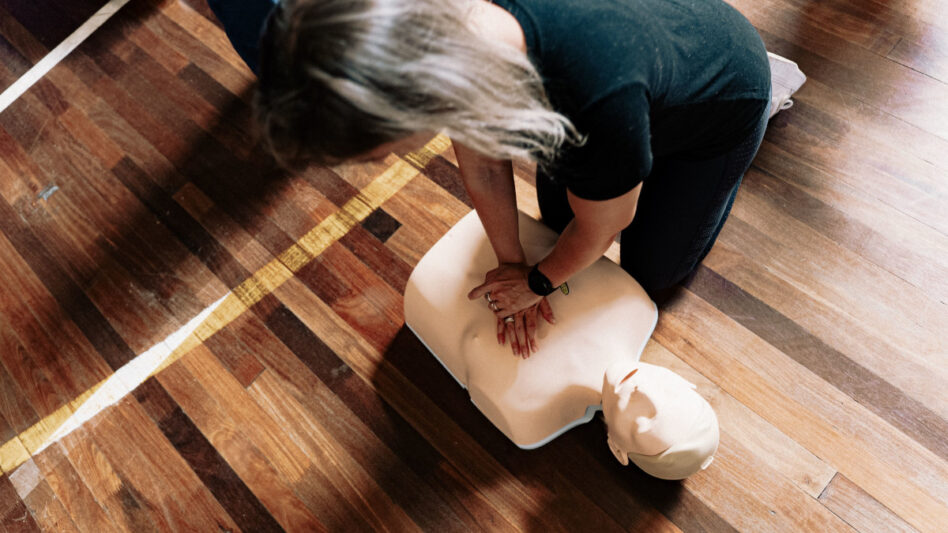
The challenge, however, is not simply teaching people CPR once. It is ensuring they remember what to do months or even years later when faced with a real emergency.
Knowledge fades. Confidence diminishes. Hesitation grows.
Digital technology can help address this challenge by making learning continuous rather than episodic. Interactive platforms can provide refresher exercises, realistic emergency scenarios and practical guidance that reinforce skills over time.
Instead of attending a single course and hoping the lessons remain fresh, individuals can continue learning and practising through accessible digital tools.
This thinking underpins the development of MyResQ, an initiative led by the Department of Emergency Medicine at Universiti Malaya.
Supported by Yayasan Inovasi Malaysia under the Finance Ministry and developed in collaboration with UMCares, the initiative aims to equip communities with CPR, AED and basic emergency response knowledge.
The long-term goal extends beyond one-off training sessions. Digital technologies can support continuous learning, improve accessibility and strengthen public engagement in emergency preparedness.
Importantly, technology should never be viewed as a replacement for human action. No algorithm can perform chest compressions. No mobile application can replace the courage required to step forward when someone collapses.
Technology is valuable only when it helps people become more capable, more informed and more willing to act.
Ultimately, the strength of an emergency response system lies not only in ambulances, hospitals and medical equipment. It also lies in the readiness of ordinary citizens.
Imagine a Malaysia where CPR training is as commonplace as learning to drive. Imagine schools producing students who understand the basics of emergency response. Imagine workplaces, community centres and places of worship where trained individuals are prepared to assist when needed.
Such a future is achievable, but it requires a shift in mindset.
Emergency response should not be viewed solely as the responsibility of healthcare professionals. It is a shared societal responsibility.
The next life saved may not depend on a doctor, specialist or hospital. It may depend on a teacher, security guard, student, ride-hailing driver or passer-by who happens to be nearby when someone collapses.
The first five minutes before help arrives belong to the community. The better prepared we are to use those minutes wisely, the more lives we will save. ‒ June 16, 2026
Dr Hafyzuddin Yusuf is MyResQ Project Head, and Emergency Medicine Consultant at the Faculty of Medicine, Universiti Malaya. Dr Unaizah Hanum Obaidellah is a Senior Lecturer at the Department of Artificial Intelligence, Faculty of Computer Science and Information Technology, Universiti Malaya.
The views expressed are solely of the author and do not necessarily reflect those of Focus Malaysia.
Main image: Pexels/Towfiqu barbhuiya