
BRITAIN stands at a defining moment in its post-Brexit foreign policy. As geopolitical rivalry intensifies and the international order becomes increasingly fragmented, London faces growing pressure to redefine its global role.
The United Kingdom can no longer rely solely on its traditional alliances to project influence in a world marked by strategic competition, economic uncertainty and weakening multilateral institutions.
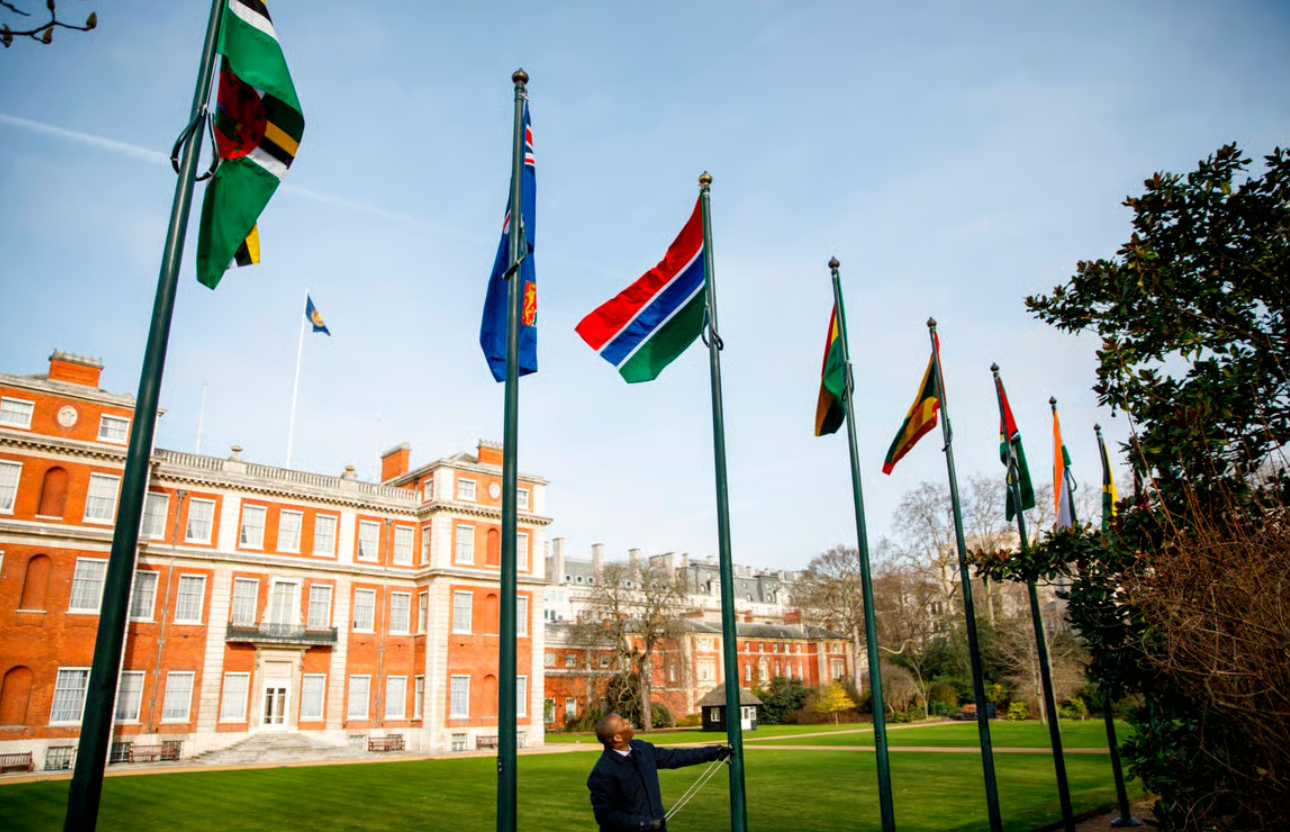
Against this backdrop, Prime Minister Andy Burnham has an opportunity to revitalise one of Britain’s most underutilised strategic assets: the Commonwealth.
For decades, the Commonwealth has often been viewed as a symbolic legacy of Britain’s imperial past rather than a forward-looking institution capable of addressing contemporary challenges. Yet this perception overlooks its considerable strengths.
Comprising 56 member states across every inhabited continent and representing nearly one-third of the world’s population, the Commonwealth possesses an extensive diplomatic network, shared legal traditions, the English language and longstanding institutional relationships.
Rather than viewing it through the lens of history, Britain should transform the Commonwealth into a practical platform for strategic cooperation suited to the realities of the 21st century.
The case for reform has become increasingly compelling. Institutions that once underpinned the post-war international order are struggling to respond effectively to today’s geopolitical challenges.
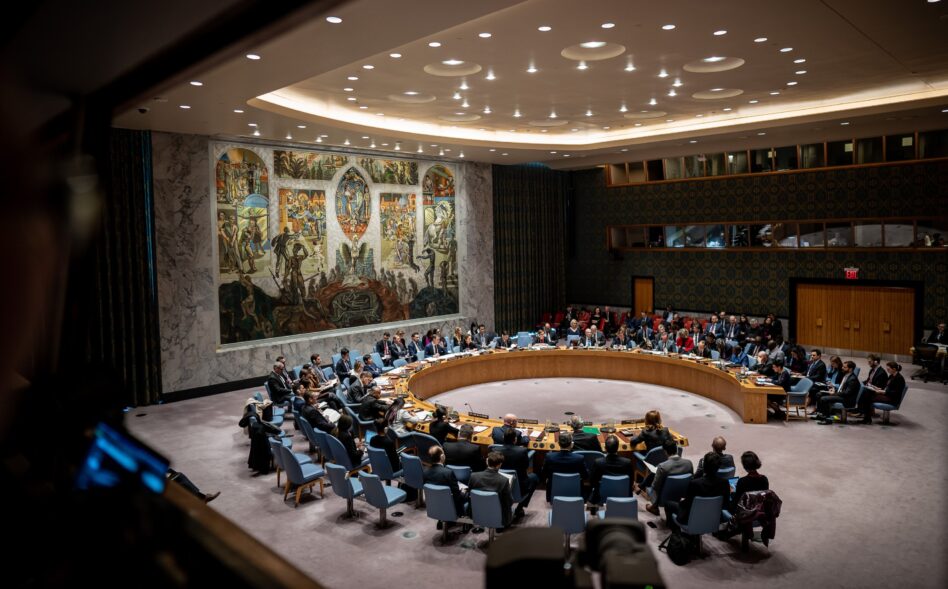
The United Nations Security Council remains constrained by the veto powers of its permanent members, while other multilateral bodies, including the G20 and the World Trade Organisation, have found it increasingly difficult to build consensus amid intensifying competition between major powers.
This does not diminish the importance of the United Nations or other international organisations. Rather, it highlights the need for complementary forums that can foster practical cooperation where broader consensus proves elusive.
The Commonwealth is well placed to fulfil that role. Unlike NATO, it is not a military alliance. Unlike BRICS, it is not organised around ideological opposition to any particular power bloc.
Its flexibility allows members with diverse political systems and economic interests to cooperate around shared priorities rather than geopolitical alignment.
This reflects the realities of contemporary diplomacy, where governments increasingly favour flexible, issue-based partnerships over rigid ideological alliances.
As the Royal United Services Institute (RUSI) has argued, Britain’s future international influence will depend on strategic agility, coalition-building and partnerships that extend beyond its traditional allies. A revitalised Commonwealth would provide precisely such a platform.
The Commonwealth’s value lies not merely in its membership, but in the practical agenda it can pursue.
Cybersecurity, artificial intelligence governance, maritime security, climate resilience, financial crime, public health preparedness and digital trade all transcend national borders and require sustained international cooperation.
Unlike politically sensitive issues such as military intervention or territorial disputes, these areas offer greater scope for consensus and tangible outcomes.
A modern Commonwealth should therefore focus on delivering practical cooperation rather than limiting itself to ceremonial declarations.
Such an approach would also complement Burnham’s emphasis on pragmatic governance and inclusive economic development.
Instead of pursuing an ideologically driven foreign policy, Britain could strengthen its international influence by convening issue-based partnerships that generate measurable benefits for both developed and developing member states.
In an increasingly multipolar world, influence is earned not only through military capability but also through the ability to build trusted networks and facilitate cooperation across political divides.
Malaysia is well placed to become one of Britain’s most important partners in this endeavour.
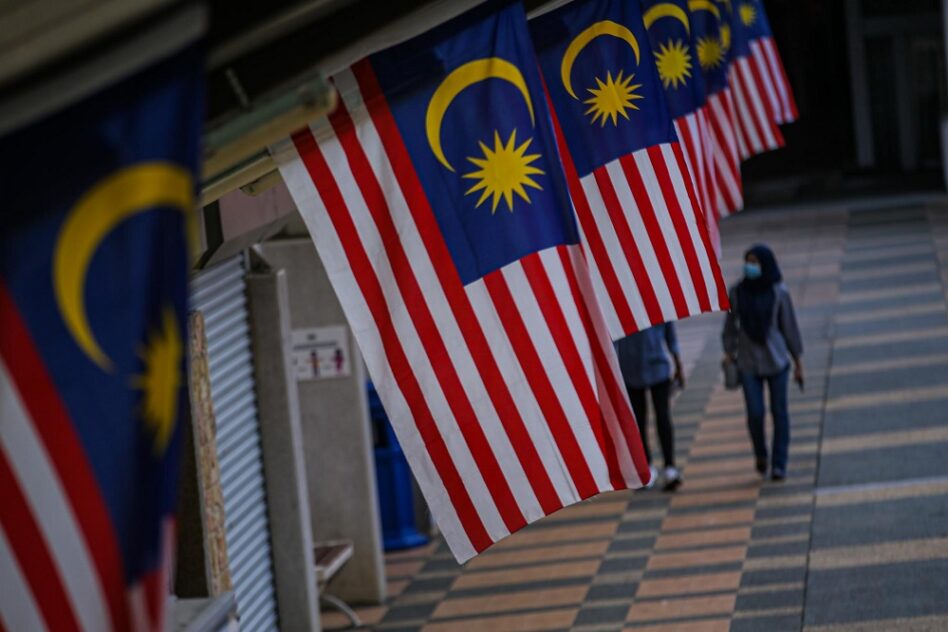
For decades, Kuala Lumpur has maintained a balanced foreign policy, cultivating productive relations with Western democracies while engaging China, Japan, India, ASEAN and the broader Islamic world.
This diplomatic credibility positions Malaysia as an effective bridge between developed and developing Commonwealth members.
As strategic competition in the Indo-Pacific intensifies, Malaysia could champion the establishment of a Commonwealth Strategic Dialogue focusing on regional security, freedom of navigation, cybersecurity, artificial intelligence governance and critical technologies.
Such a forum would provide member states with an informal yet influential mechanism to discuss emerging strategic challenges without the political sensitivities often associated with formal military alliances.
It would also reinforce the Commonwealth’s relevance in one of the world’s most strategically important regions.
Economic cooperation should form the second pillar of Commonwealth renewal. Despite the considerable economic potential of its members, intra-Commonwealth trade and investment remain well below their potential.
Britain and Malaysia should work together to promote digital trade, strengthen supply-chain resilience, facilitate investment and support small and medium-sized enterprises.
These initiatives would deliver tangible economic benefits while demonstrating that the Commonwealth remains capable of producing practical outcomes for its members, rather than serving merely as a historical association. ‒ Aug 6, 2026
R. Paneir Selvam is Principal Consultant at Arunachala Research & Consultancy Sdn Bhd (ARRESCON), a think tank specialising in strategic and geopolitical analysis.
The views expressed are solely of the author and do not necessarily reflect those of Focus Malaysia.
Main image: Getty Images