
ON March 4, diesel price was RM3.04 per litre. The next day, it was increased by eight sen. But no motorists expected the shocks that came the following weeks. The price was increased by 80 sen thrice—on March 12, 19 and 26, to RM5.52 per litre!
It was raised again, this time by 50 sen, and would cost RM6.02 per litre from April 2, which is about double the price when it was RM3.04 per litre just a month ago. If the size of a fuel tank is 333 litres, it would be able to store RM2,000 worth of diesel!
When it was at RM5.52 a litre, there were calls by several trade associations to hike up charter rates by as much as diesel prices have risen by around 80%.
Although described as the ceiling price, it was nonetheless ridiculous, as fuel is just one of the many components of total operating expenses that include fixed and variable costs. Any increase in charter rates should be based on higher diesel prices, as other costs are not a factor.
As such, the call to introduce a fuel surcharge is the fairest measure and should be welcomed by all, including tour bus operators, customers and the authorities.
It is a sincere effort to cushion the huge impact in a transparent way, without silently increasing charter rates which may become embedded even after diesel prices have later fallen.
Although fuel surcharge has been practised by airlines, tour bus operators may be at a loss on how to work out the mechanism. I have operated tour buses during the first Visit Malaysia Year in 1990 and taxis between 2000 to 2010.
Just as hotels track their occupancy rates, I worked out the utilisation rates of my tour buses and taxis. But far more importantly are the fuel and maintenance costs per kilometre, which allowed me to know exactly the profit for each trip.
Tour bus operators may know how much they spent on diesel for a particular vehicle each month and also the total mileage clocked. Therefore, they could easily work out the cost of diesel per kilometre at the end of the month.
But surcharges are applied in advance and diesel prices keep changing. So, they need to know what the average fuel consumption is for each model.
If a tour bus consumes an average of 0.3 litre of diesel per km, then fuel cost would be 90 sen per km when diesel price was RM3.04 per litre. If diesel price is doubled to RM6.02 per litre, then fuel cost would be RM1.80 per litre.
If RM3.04 per litre is used as the base price, then diesel prices above this figure should be the surcharge. If the price is RM6.02 per litre, then the surcharge works out to be 90 sen per km.
Tour operators would have to charge 50% to 100% more for the distance with passengers, if the bus has to proceed empty to pick up passengers, or return empty after drop off.
The best solution is for the government to provide subsidised diesel to tour bus and van operators, which could be given on a per vehicle basis or per company based on fleet size.
Instead of waiting indefinitely for diesel prices to come down or subsidy granted is found to be inadequate, operators could start introducing surcharges to keep their vehicles running. ‒ April 2, 2026
YS Chan is a tourism, transport and training consultant.
The views expressed are solely of the author and do not necessarily reflect those of Focus Malaysia.
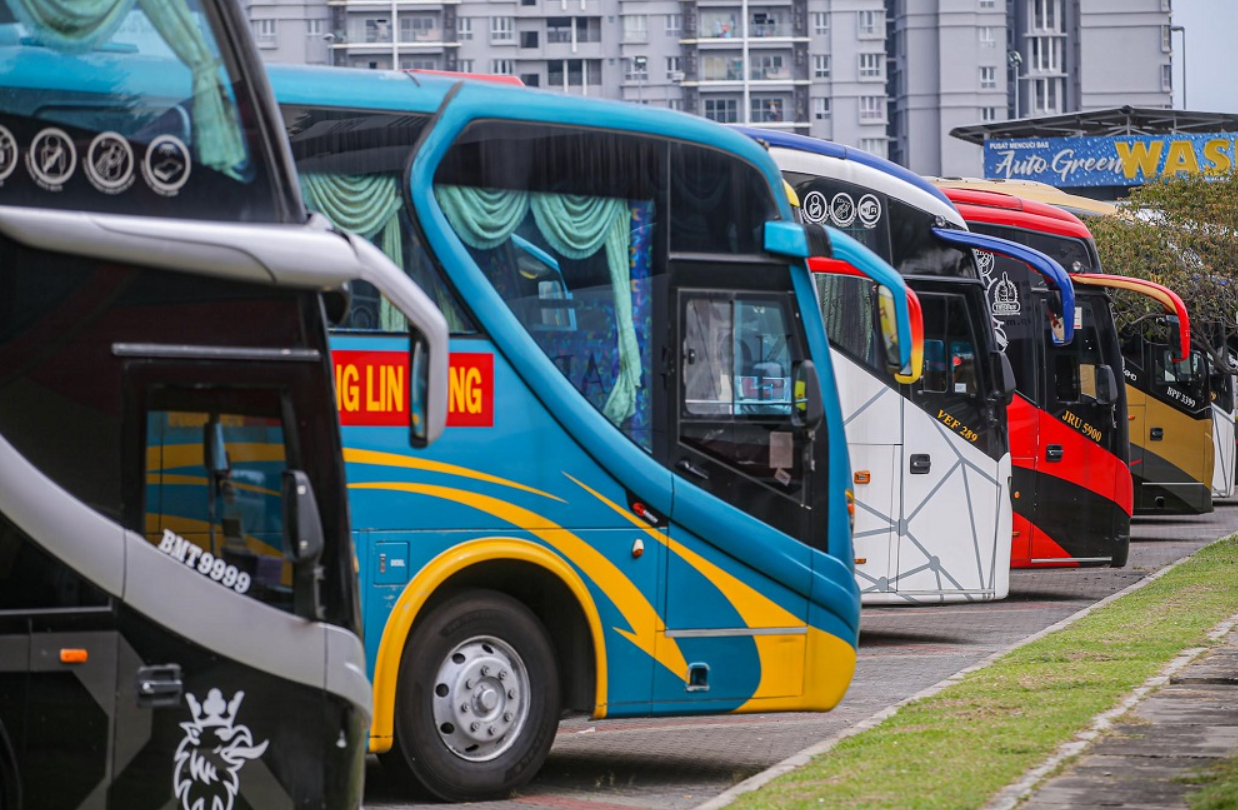
Main image: Malay Mail