
THE debate surrounding the recognition of the Unified Examination Certificate (UEC) has long extended beyond education and evolved into an emotionally charged discourse shaped by fear, political rhetoric, and identity-based anxieties.
In such an environment, fundamental policy questions that deserve rational, evidence-based discussion are often overshadowed by sentiment and polarisation.
As a non-Malay, non-Muslim Malaysian, I write with full respect for the Federal Constitution but at the same time, the question of UEC recognition deserves to be examined with maturity, factual clarity, and empathy, in the broader interest of Malaysia’s education system and long-term national development.
Understanding the UEC within Malaysia’s education framework

The UEC is an academic qualification offered to students from Chinese independent secondary schools in Malaysia. It operates as an alternative educational pathway outside the national school system, yet it has produced graduates who have excelled internationally across professional fields, entrepreneurship, science, and technology.
At the federal level, the UEC is not recognised as a qualification for entry into public universities. The primary concern cited relates to alignment with the National Education Policy, particularly in areas such as mastery of Bahasa Melayu and successful completion of the compulsory Malaysian History paper (Sejarah) in SPM, as required by the national education framework.
These concerns are legitimate and should not be dismissed. However, they need not preclude thoughtful policy solutions that are balanced, forward-looking, and responsive to global educational realities.
International recognition and academic credibility
The UEC is accepted by a large number of universities worldwide, particularly across the Asia Pacific region, Europe, and Australia, subject to institutional requirements.
Universities in countries such as Singapore, Australia, Canada, Japan, South Korea, and Taiwan admit UEC holders into undergraduate programmes based on academic performance and additional conditions.
This level of international acceptance indicates that the UEC possesses recognised academic rigour. It also strengthens the case for Malaysia to consider conditional and policy-controlled recognition, while firmly retaining proficiency in Bahasa Melayu and the compulsory Malaysian History paper.
State-level and institutional approaches
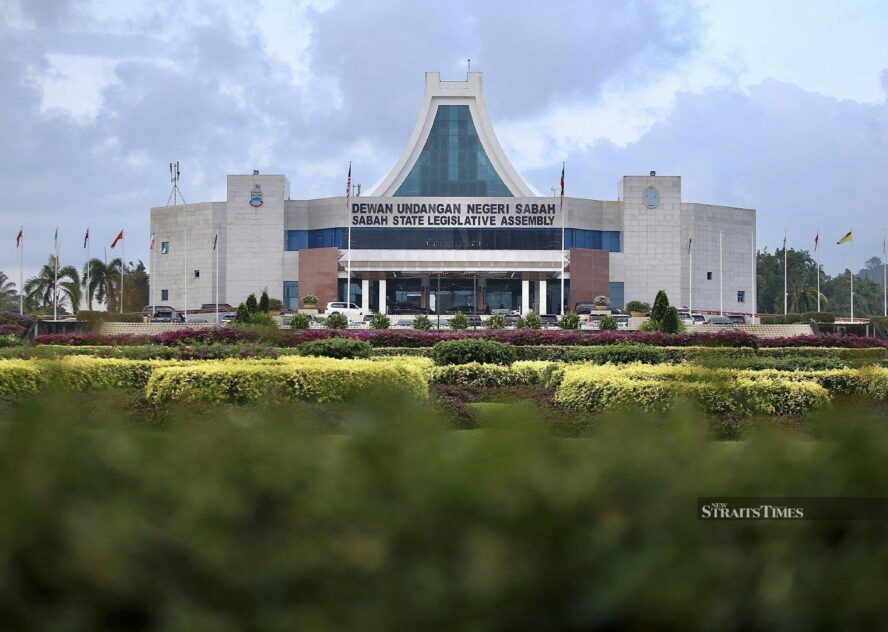
Within Malaysia, approaches to the UEC are not uniform. Sarawak has recognised the UEC for specific purposes, including entry into selected state-owned higher education institutions and eligibility for certain education schemes.
Sabah has also accepted the UEC for state scholarship pathways and defined educational routes, although federal public universities in the state remain subject to national policy.
In addition, most private universities and colleges in Malaysia recognise the UEC as an entry qualification. This reflects the reality that the UEC already functions as an established academic pathway within the country, rather than an unfamiliar or marginal credential.
Mandarin and diversity as strategic national assets
Beyond academic considerations, proficiency in Mandarin is increasingly recognised as a strategic advantage in the global economy.
Economic analyses and labour market trends consistently highlight the growing importance of Mandarin in trade, technology, science, and diplomacy, particularly in light of China’s expanding role in global economic and technological ecosystems.
In the Malaysian context, recognising the UEC and strengthening Mandarin education should not be framed as a communal or racial issue. Instead, it presents opportunities for all Malaysians, including Malays and Bumiputera youths, to enhance their global competitiveness.
A well-designed and inclusive approach would enable Malaysia to:
- Prepare young people for international engagement and economic opportunities;
- Develop high-quality local Mandarin educators to support accessible third-language education; and
- Strengthen trilingual proficiency in Bahasa Melayu, English, and Mandarin, thereby improving employability and social mobility.
In a multilingual and multiracial society such as Malaysia, cultural and linguistic diversity should be regarded as a strategic strength. Linguistically and culturally literate young Malaysians can serve as bridges between communities, fostering cross-cultural understanding and reinforcing national unity.
With clear policy direction, Mandarin can function as a tool for economic empowerment and educational advancement without undermining the constitutional status of Bahasa Melayu or diluting national identity.
Education beyond the politics of fear and identity
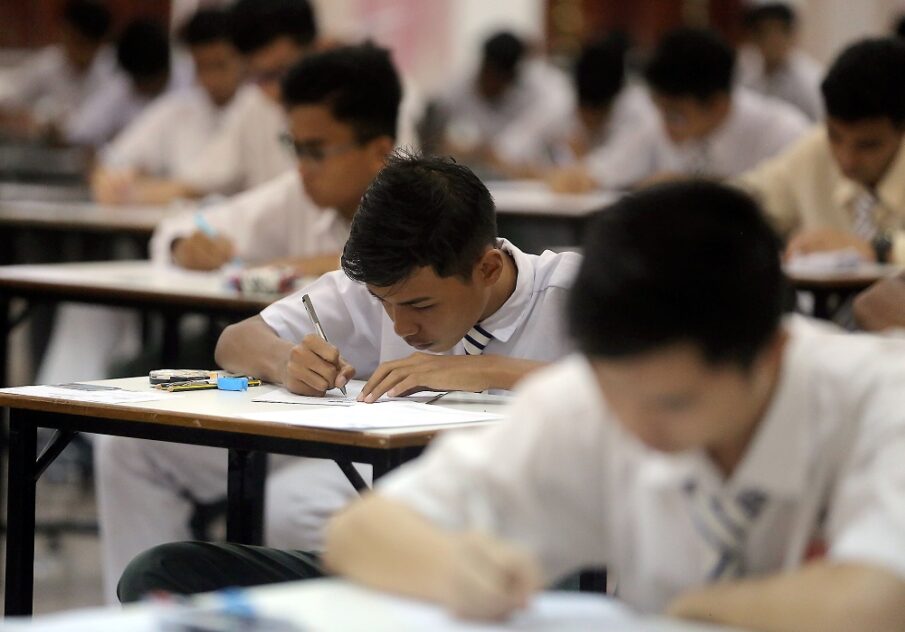
The UEC issue should not be weaponised as a political tool to incite fear or deepen social divisions. Education is not a battleground for short-term political interests or narrow identity narratives. It is a cornerstone of nation building, social mobility, and long-term economic resilience.
Alarmist claims that conditional recognition of the UEC would undermine the status of proficiency in Bahasa Melayu and nation-building efforts, when unsupported by clear policy evidence, risk distorting public discourse and eroding trust between communities.
Narratives driven by fear rather than facts do not produce solutions. Instead, they entrench suspicion, polarise society, and weaken social cohesion.
A mature education system must be guided by data, policy coherence, and national interest, not emotional rhetoric or political expediency.
Addressing public concerns does not require perpetuating fear but calls for responsible leadership grounded in transparency, inclusive dialogue, and sound governance.
Education should function as a unifying force, cultivating empathy, shared national purpose, and mutual respect. When managed with wisdom and integrity, it becomes a powerful instrument for bridging differences and strengthening citizenship values in a plural society.
Policymakers should embrace conditional recognition of the UEC, integrate Bahasa Melayu and Malaysian History requirements, and ensure that our youth are equipped to thrive both locally and globally.
By doing so, Malaysia can transform education into a unifying force and a strategic national asset. ‒ Dec 17, 2025
Ts. Dr Manivannan Rethinam is the chairman of Majlis Gagasan Malaysia and is a policy, geopolitical, and public affairs analyst with nearly three decades of experience in strategic leadership, technology development, and national policy transformation.
The views expressed are solely of the author and do not necessarily reflect those of Focus Malaysia.
Main image: Malay Mail/Raymond Manuel