
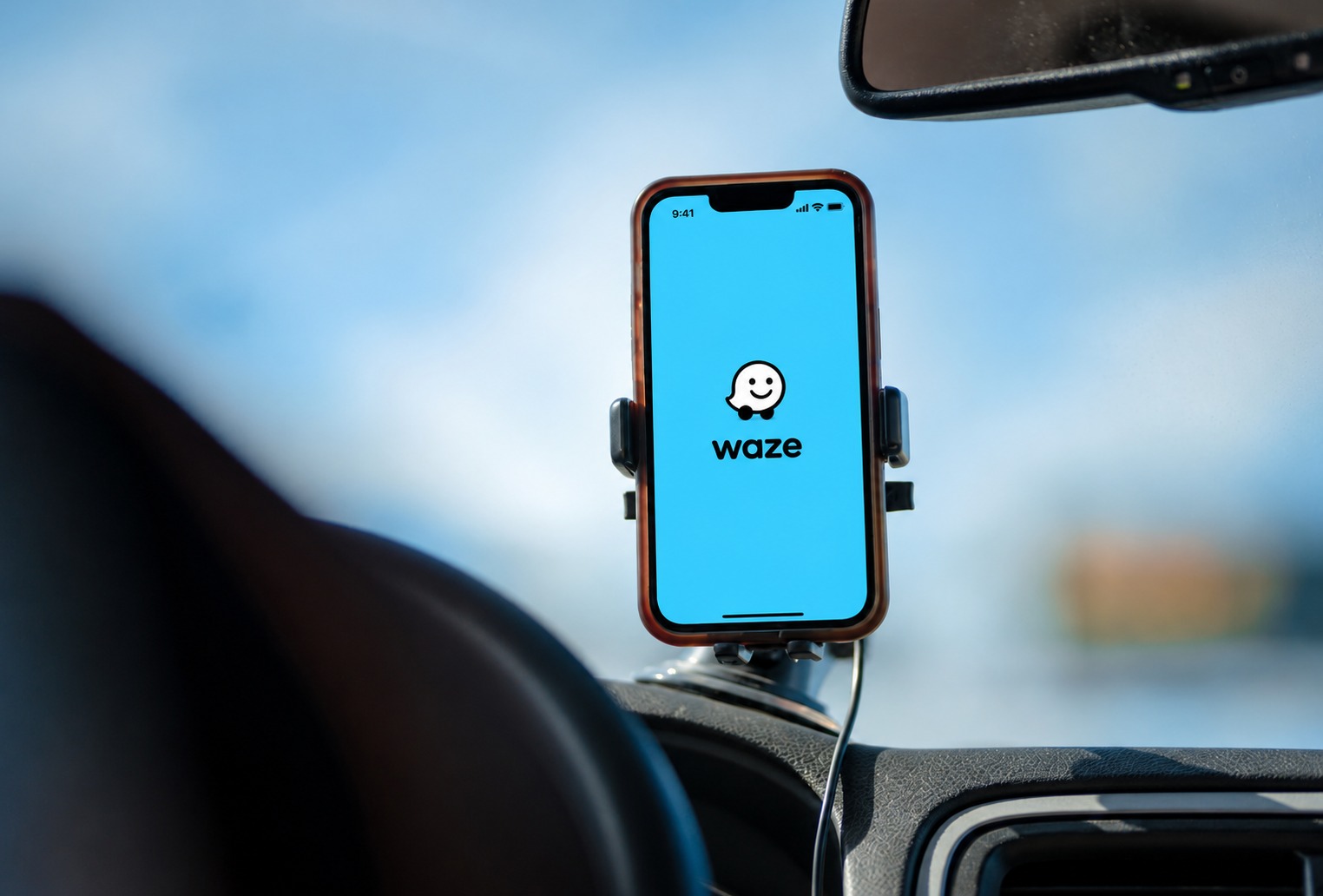
MALAYSIA’S decision to stop civil servants from using Waze for official duties raises a basic question: are we making the country safer through evidence-based policy, or allowing geopolitical considerations to overshadow practical realities?
According to a Reuters report published on Oct 21, 2026, Prime Minister Datuk Seri Anwar Ibrahim said Waze’s Israeli origins raised security concerns, particularly over the protection of users’ data and identities.
The government has recommended TuJu, a navigation app developed by the Malaysian Highway Authority (LLM) in collaboration with Prosignal Consortium Sdn Bhd, as an alternative.
Protecting sensitive government information is clearly a legitimate responsibility. Malaysia has every right to assess whether the apps used by civil servants could expose sensitive location data, operational movements or information about critical infrastructure.
But a product’s country of origin does not, by itself, establish that it poses a security threat. The government should explain the risks it has identified, the evidence supporting the restriction and how the proposed replacement addresses those risks.
National security deserves more than an assumption. It requires evidence.
Security must be measured, not presumed

Waze, acquired by Google in 2013, uses satellite positioning and driver-contributed information to provide traffic updates, flag road incidents and suggest alternative routes. Its usefulness depends partly on the accuracy and timeliness of its data.
The real question is whether its data collection, processing, storage or legal obligations create unacceptable risks for Malaysian government users. That should be assessed through an independent cybersecurity review, rather than inferred from its Israeli origins alone.
If credible evidence shows that Waze exposes sensitive government operations, restricting its use on official duties may be justified. Agencies handling sensitive information may also require stricter controls than departments performing routine administrative work.
The government should, however, distinguish between official use and personal use outside working hours.
The directive currently applies to civil servants performing official duties, although they have also been encouraged to uninstall the app and switch to suitable local alternatives.
A proportionate policy should address the actual risk without imposing unnecessary restrictions.
What will the restriction cost Malaysia?
A navigation app may seem trivial compared with major national security concerns, but replacing a widely used digital service can have operational and financial consequences.
Civil servants travel for inspections, enforcement, public works, welfare visits and meetings. If the replacement provides less accurate traffic information or requires users to learn unfamiliar functions, delays could affect punctuality, service delivery and productivity.
Other potential costs include staff training, technical support, system integration and cybersecurity testing. If alternative routes are less efficient, additional fuel and vehicle running costs could follow.
These are possible consequences, not established losses. Their likelihood depends on TuJu’s actual performance and how effectively the transition is managed.
Consider a district officer travelling to inspect a flood-hit settlement. Accurate road-closure information, congestion updates and alternative routes can make a difference.
The officer needs a tool that is both reliable and secure, not merely one that satisfies a political preference.
The same applies to emergency coordination, infrastructure maintenance and other essential services.
Is TuJu ready to replace Waze?
Encouraging the use of Malaysian-developed technology is a sensible ambition. Building domestic technological capabilities can support innovation, create skilled jobs and give the country greater control over its digital infrastructure.
But local ownership does not automatically guarantee data sovereignty or stronger cybersecurity.
The government should disclose, as far as security considerations permit, where TuJu’s data are processed, who can access them, what foreign infrastructure the app relies on and whether its security has been independently assessed.
It should also evaluate mapping accuracy, traffic prediction, rural coverage, reliability and compatibility with government systems.
If TuJu depends on foreign mapping infrastructure, policymakers must explain how that dependency affects the original security rationale. The objective should be genuine technological resilience, not simply replacing one app icon with another.
Malaysia’s international reputation matters
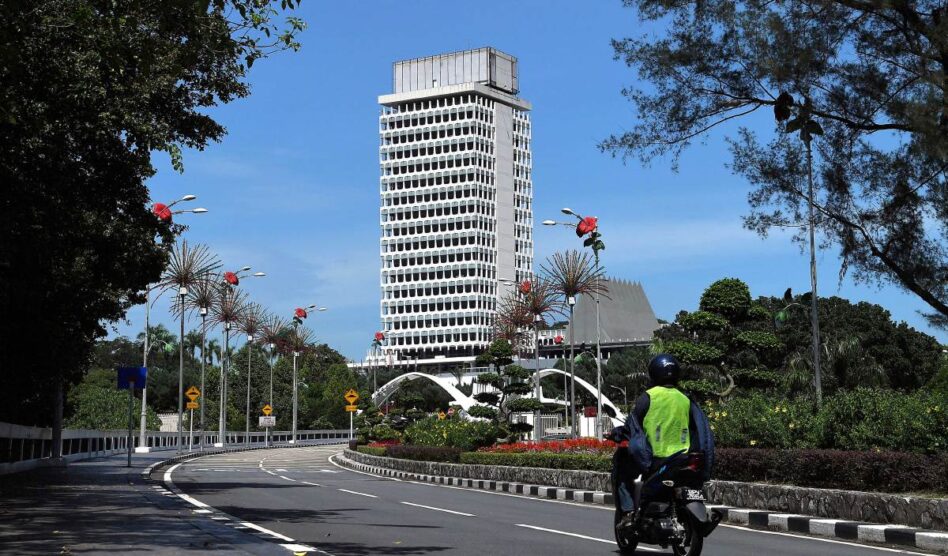
Malaysia firmly supports Palestinian rights and has no diplomatic relations with Israel. That position reflects the country’s foreign policy.
However, opposition to a state’s policies should not automatically become a blanket judgement on every technology, company or person associated with it.
An unexplained restriction could prompt investors to question whether Malaysia’s technology policies follow consistent security standards or shift with geopolitical considerations.
The government should apply rigorous and consistent assessments to apps and digital services from every country. Consistency builds public confidence, while selective treatment without clear justification risks undermining it.
Supporting Malaysian technology should mean making it competitive through investment, research, performance and public trust, rather than shielding it from comparison. ‒ Oct 22, 2026
KT Maran is a Focus Malaysia reader.
The views expressed are solely of the author and do not necessarily reflect those of Focus Malaysia.
Main image: Scoop.my