
MALAYSIAN biomass producer Weng Yat Resources Sdn Bhd has sealed a deal to build a biomass supply platform for Japan with more than RM60 mil in the annual revenue pipeline once full-scale exports commences. The commercial shipment is expected to commence early 2027.
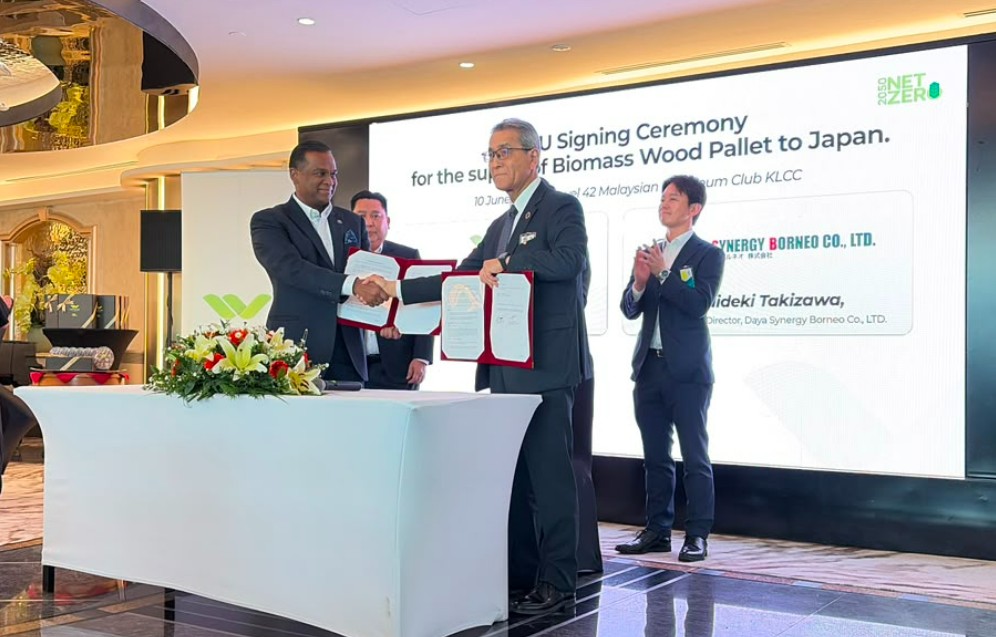
A memorandum of understanding (MOU) was inked yesterday (June 10) between the company and Japan’s Daya Synergy Borneo Co Ltd (DSB) in Kuala Lumpur aimed at strengthening biomass fuel supply chains to support Japan’s renewable energy and decarbonisation policies.
“Long-term supply agreements are targeted to be finalised this year-end by with commercial shipments commencing in January 2027,” envisages Weng Yat Resources executive director Sunderaj Nagalingam.
“This follows an initial trial shipment of 10,000 metric tonnes of wood pellets this year.”

The initial shipment will serve as a test run before both parties scale up to a larger recurring supply arrangement on a monthly basis upon successful implementation.
Eventually, Weng Yat Resources is targeting a 5% share of Japan’s biomass import market over the next three years – a huge figure given the market size, according to Sunderaj.
The existing platform is intended to support Japan’s biomass power generation sector which relies on imports of biomass fuel including wood pellets, palm kernel shells (PKS) and empty fruit bunch (EFB) pellets as part of its decarbonisation efforts.
Japan’s biomass demand is estimated to include around seven million tonnes of PKS and nine million tonnes of wood pellets annually with EFB pellets identified as a growing segment driven by feedstock availability and cost factors.
Win-win preposition
Under the partnership, DSB will coordinate market access into Japan for Weng Yat Resources by drawing on its existing trade relationships with biomass trading companies and power producers developed through its PKS export activities from Sabah.
The company is also involved in energy-related development projects, including a proposed battery energy storage system (BESS) in Hokkaido with a planned capacity of 100MW and an estimated value of about US$300 mil (RM1.22 bil).
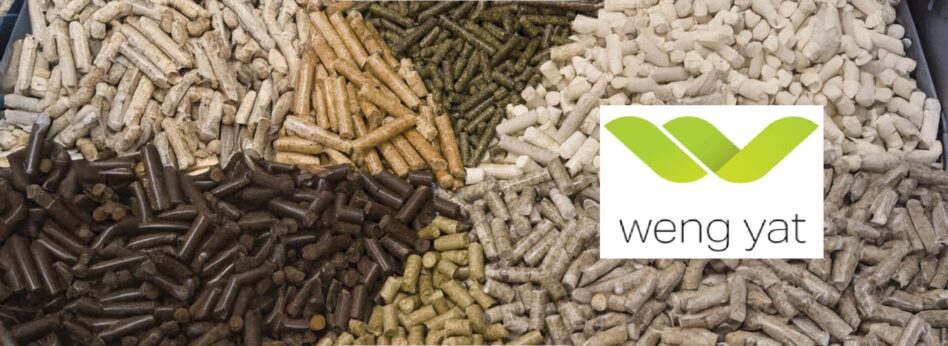
Weng Yat Resources currently operates biomass production facilities across Malaysia by supplying industrial users and international off-takers.
Its biomass feedstock strategy includes long-term supply agreements with 24 palm oil mills across Malaysia by targeting an estimated one million metric tonnes of EFB annually.
Sunderaj said the agreement reflects the company’s focus on converting biomass materials into exportable fuel products.
“Work is progressing across our operations with projects at different stages from construction to equipment installation while agreements are being finalised,” he envisages.
“Our focus remains on turning biomass materials that were once discarded into value-added products. This principle continues to define what we do.”
Meanwhile, DSB representative director Hideki Takizawa said today’s agreement lays the groundwork for longer-term cooperation and market access between Malaysian suppliers and Japanese buyers in the biomass sector.
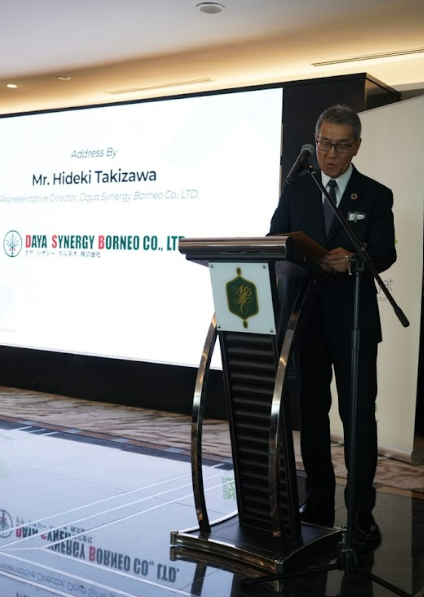
“We firmly believe that DSB can serve as a bridge between Weng Yat and the Japanese market not only for PKS, wood pellets and EFB pellets but for many other business opportunities in the future,” he added.
Established in 2007, Weng Yat is involved in biomass production and other industrial activities including automotive and scaffolding. The company reported a combined turnover of about RM150 mil.
Its operations include a Wood Waste Collection Centre contract in the Klang District under the Klang City Council where collected material is directed into biomass production.
The group operates biomass facilities across Peninsular Malaysia and Sarawak. Its Tronoh plant in Perak produces about 6,000 metric tonnes of wood pellets a month.
Expansion plans include a new EFB pellet line with a capacity of 5,000 metric tonnes per month which is expected to be operational by 2027 and a facility in Kapar, Klang which will add production capacity for wood pellets, sawdust and wood chips upon completion in 2027. – June 11, 2026