
WHEN I learned that 20 Malaysians had secured the prestigious UK Chevening Scholarships for the 2026/27 academic year, I felt proud. But it also made me reflect on what their success says about how we identify talent back home.
Chevening is funded by the UK government with support from Malaysian partners including the YTL Foundation, Jeffrey Cheah Foundation, Yayasan Khazanah and CIMB Foundation. Its biggest lesson is not the size of the scholarship, but how scholars are selected.
Chevening looks beyond grades. Applicants are assessed on leadership, relationship-building, the relevance of their chosen field of study and their potential to contribute after returning home.
Applications are independently reviewed, and shortlisted candidates are interviewed by the British High Commission.
That is something Malaysia should pay attention to.
The real question is whether our universities and scholarship bodies are consistently identifying the strongest candidates while recognising genuine disadvantage.
If affirmative action is meant to help those who face barriers, should support be guided more by factors such as household income, school resources and opportunity, rather than assuming ethnicity alone tells the whole story?
Meritocracy should not mean pretending everyone begins from the same starting line. A student from a rural school with limited resources may have had to overcome far greater obstacles than someone from a well-equipped urban school.
A fair system should recognise those differences while still asking an essential question: what has this person achieved with the opportunities they had, and what could they accomplish with greater support?
Getting this balance right matters. A transparent, merit- and potential-based selection system would help ensure that public and corporate scholarship funds are invested in people who can make meaningful contributions.
It would encourage young Malaysians to compete through hard work, creativity and service, rather than believing success depends on connections or identity.
It would also strengthen public trust in our institutions and help convince talented Malaysians that they have a future here.
Chevening’s approach offers another useful lesson about leadership. It is not enough to hold an impressive title. Applicants are expected to demonstrate real impact by showing how they have solved problems, created change and contributed to their communities.
Our own scholarship selection processes could benefit from similar principles. Independent assessments, published selection criteria, structured interviews and transparent scoring would strengthen confidence in the process.
Academic performance should remain important, but leadership, resilience, community service, research potential and the relevance of a candidate’s field of study to Malaysia’s future should also carry meaningful weight.
Greater transparency would help as well. Scholarship bodies need not disclose individual applicants’ details, but they could publish how decisions are made, how different criteria are weighted, how many people applied and broad demographic outcomes across states, school types and socioeconomic backgrounds.
The objective is not to abandon diversity. It is to achieve diversity without sacrificing excellence.
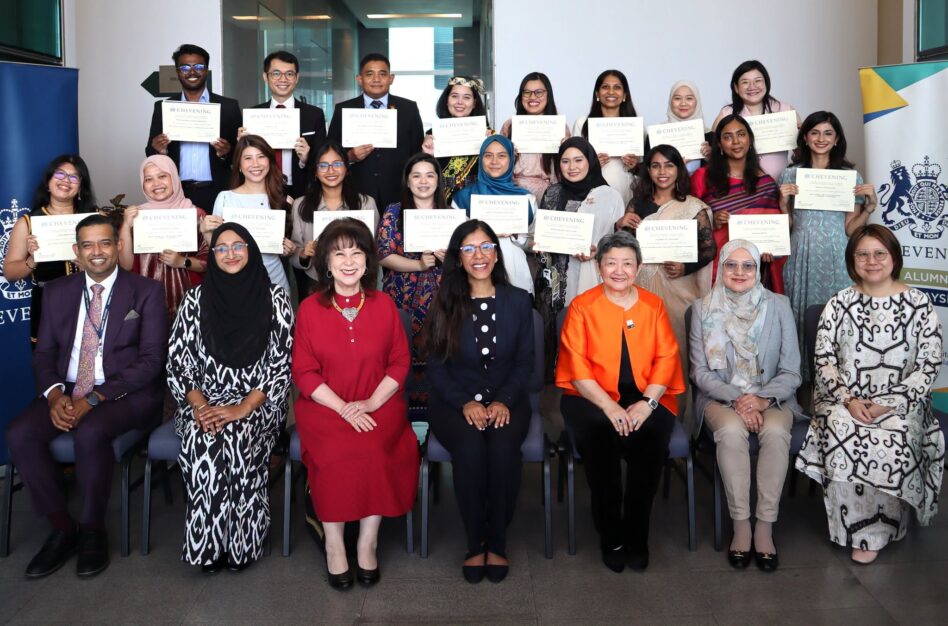
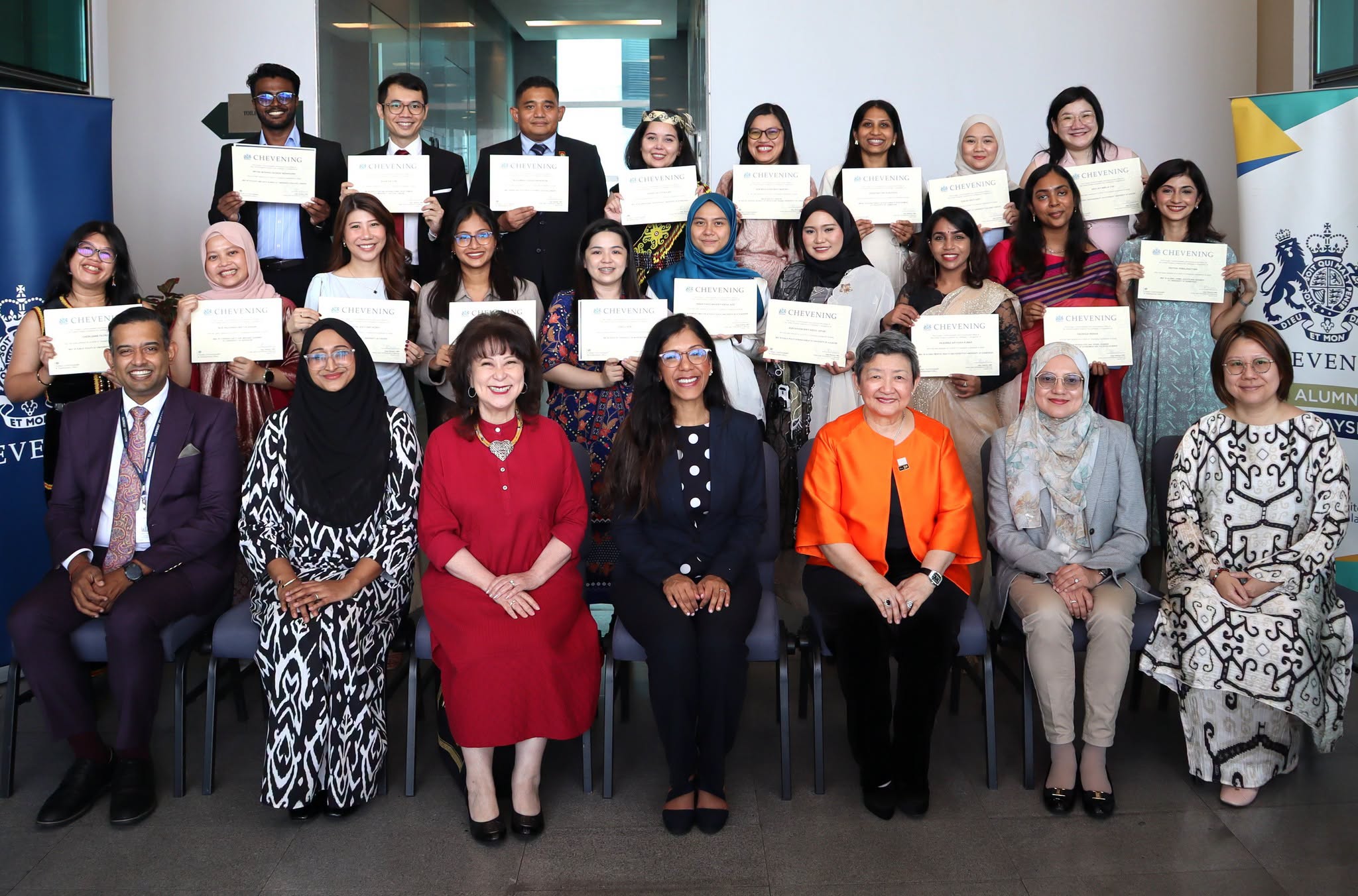
This year’s Chevening cohort illustrates that the two can coexist. Five of the 20 Malaysian scholars come from Sabah and Sarawak, meaning a quarter of the cohort represents East Malaysia. That suggests geographical diversity and excellence can go hand in hand.
Perhaps, then, we should move beyond arguing about “merit versus affirmative action” and ask a better question: how do we create fair opportunity, recognise genuine achievement and build national excellence at the same time?
Our universities are not simply degree factories. They shape the doctors, engineers, researchers, teachers, entrepreneurs, civil servants and community leaders who will define Malaysia’s future.
If we choose them through processes that are fair, transparent and focused on genuine potential, everyone stands to benefit.
The Chevening experience reminds us that the strongest scholarship system is one that gives every qualified Malaysian a fair opportunity, recognises real disadvantage honestly and invests in talent, character, achievement and the willingness to serve.
That is not simply meritocracy. It is how nations build lasting excellence. ‒ Aug 27, 2026
KT Maran is a Focus Malaysia viewer.
The views expressed are solely of the author and do not necessarily reflect those of Focus Malaysia.
Main image: Facebook/UK in Malaysia – British High Commission Kuala Lumpur