
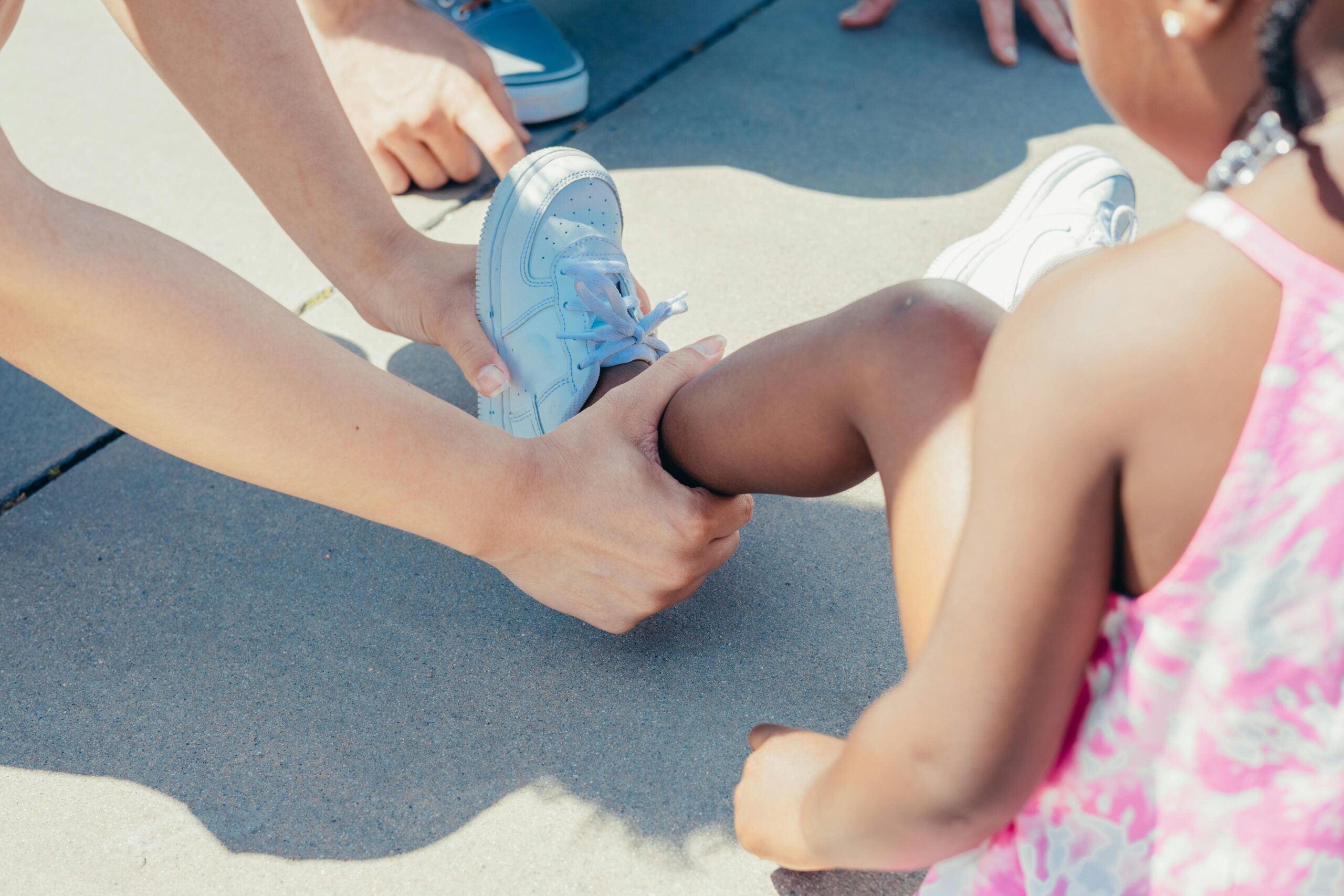
KNEE pain is common among active teenagers and is often dismissed as a sports injury or “growing pains”. Most cases are harmless. But when pain persists, worsens or behaves unusually, it could signal a more serious condition, including osteosarcoma.
Osteosarcoma is an aggressive bone cancer that primarily affects children and adolescents. About 75% of cases occur before the age of 25, with an incidence of around 4.4 cases per million people annually. Because it commonly develops around the knee, it is often mistaken for a sports injury, delaying diagnosis.
Dr Tie Teck Liang, Consultant Orthopaedic Oncology Surgeon at Sunway Medical Centre, Sunway City, said persistent pain that does not improve with rest or time should never be ignored.
When should parents be concerned?
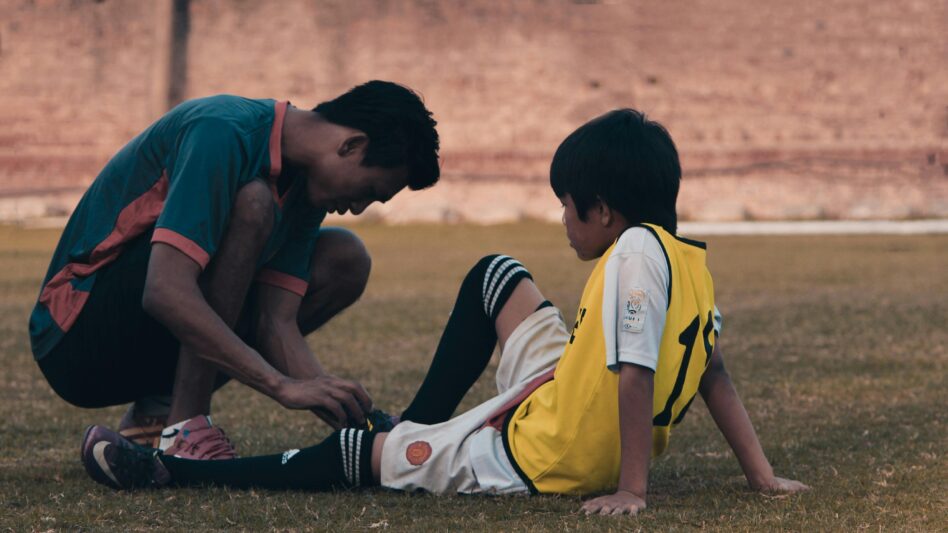
Teenagers are naturally active, so bumps, falls and overuse injuries are part of growing up. According to Dr Tie, the key is to watch how the pain behaves.
“With a typical sports injury, pain should gradually improve with rest and medication. If the pain persists beyond one to two weeks, remains intense or does not respond to painkillers, that is when further investigation is needed,” he said.
Parents should seek medical attention if knee pain wakes a child at night, fails to improve with medication, or is accompanied by swelling, a lump, limping or pain without a clear injury.
“There is no strict timeline, but parents and coaches should notice whether the pain is improving or remaining the same with medication, or whether it disrupts sleep,” Dr Tie added.
Why osteosarcoma is often missed
Because children frequently run, jump and fall, early osteosarcoma symptoms can easily be mistaken for minor injuries, particularly after a recent accident.
The crucial difference is that, unlike a sports injury, a tumour continues to grow. In children, osteosarcoma can enlarge rapidly and eventually involve nearby nerves and blood vessels, making treatment more complex.
For persistent bone pain, an X-ray is usually the first step. It can reveal abnormal bone changes and guide doctors on whether further tests are needed.
If the findings are suspicious, an MRI is typically used to assess the tumour’s size and whether it involves nearby nerves or blood vessels, information that directly affects surgical planning.
CT scans, bone scans or PET scans may also be used to determine whether the cancer has spread.
If imaging suggests a bone tumour, the diagnosis must be confirmed with a biopsy. Dr Tie stressed that the biopsy should be performed by the surgeon planning the definitive operation because the biopsy tract is treated as contaminated tissue and must later be removed.
A poorly planned biopsy can complicate surgery, increase the risk of recurrence and reduce reconstruction options. Early referral to a specialist orthopaedic oncology centre is therefore essential.
How treatment has changed
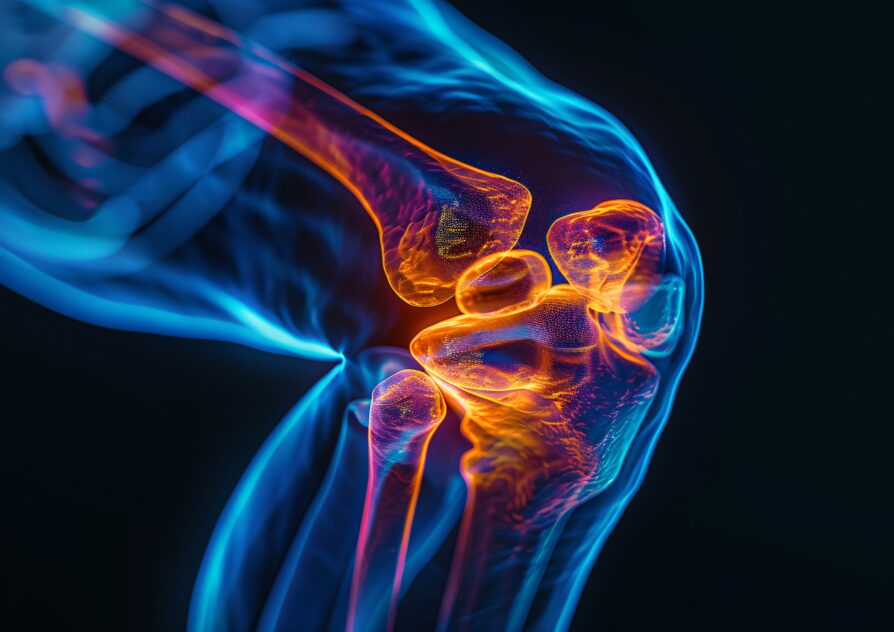
Amputation was once the standard treatment for osteosarcoma. Today, advances in surgery and chemotherapy have made limb-salvage procedures possible for many suitable patients.
The operation involves removing the tumour together with a margin of healthy tissue. Reconstruction may involve a metal implant replacing the removed section of bone.
In selected cases, Dr Tie performs biological reconstruction using cryotherapy, where the patient’s own tumour-bearing bone is treated with liquid nitrogen at minus 196 degrees Celsius to destroy cancer cells before being reimplanted.
“The advantage is that we use the patient’s own bone. This approach may reduce size mismatch and support bone healing in some cases,” he remarked.
Recovery typically involves about a year of treatment, including chemotherapy, surgery and physiotherapy, followed by years of monitoring for recurrence.
Most knee pain in teenagers is not cancer. But persistent, worsening or unusual pain deserves medical attention.
“Early diagnosis is important and may improve treatment outcomes, including the possibility of limb preservation and functional recovery, allowing children to return to a normal, active future,” Dr Tie said. ‒ Aug 27, 2026
Main image: Sunway Medical Centre