
IT has been over a hundred years since the world watched in horror as World War I unfolded—a war so brutal it was supposed to be “the war to end all wars”.
And yet, here we are. Still fighting. Still grieving. Still wondering why we can’t seem to break free from the pull of violence.
We like to think we’ve evolved. We’ve put people on the moon, unlocked the secrets of the atom, and connected the planet through the internet. But when it comes to war, the script hasn’t changed much.
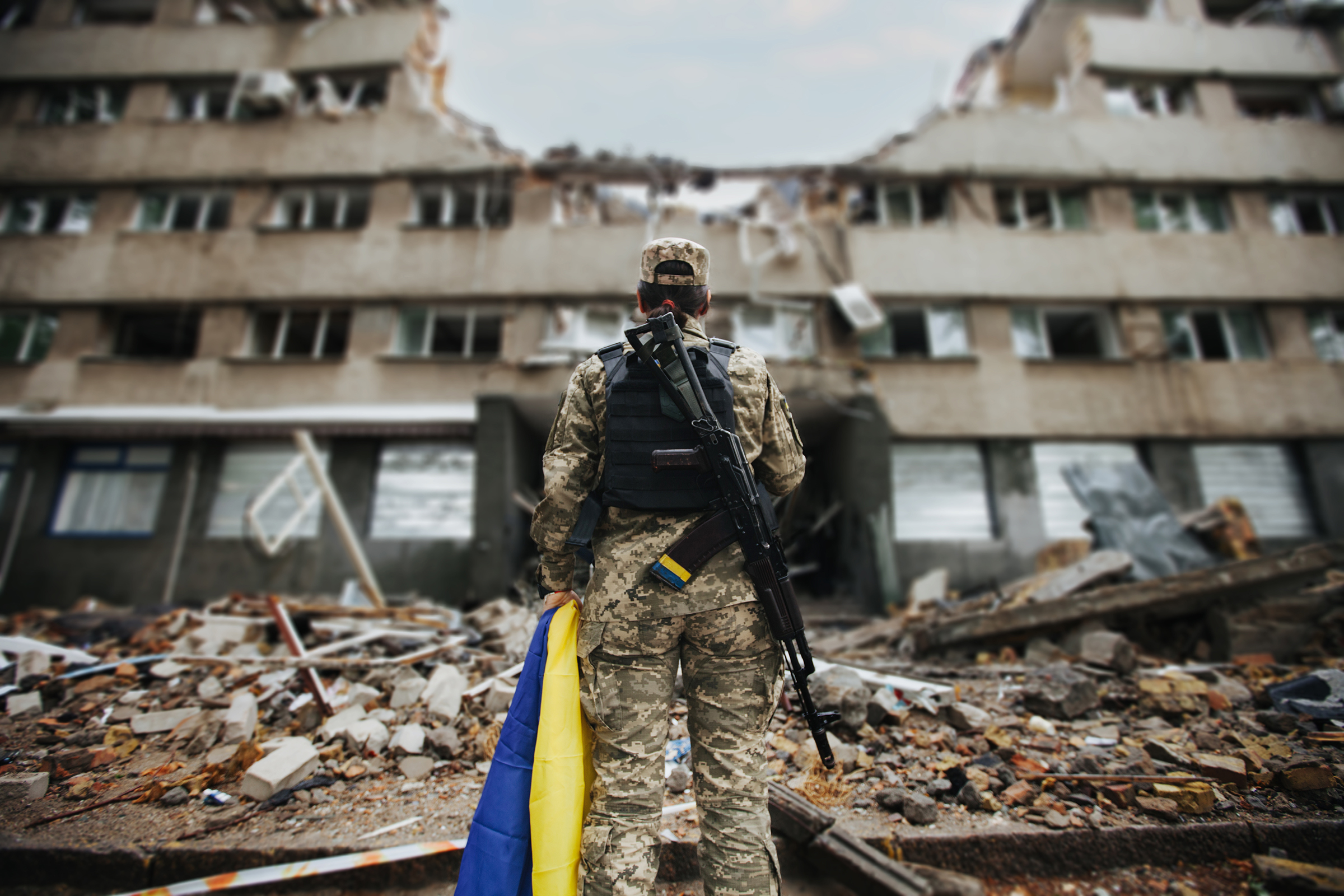
After the First World War came an even deadlier one. Then Korea. Vietnam. Iraq. Afghanistan. And now, the Russo-Ukrainian War—another chapter in a story humanity seems doomed to repeat.
So what’s wrong with us? Have we really grown smarter without growing wiser?
The real cost—and it’s not just numbers
Let’s start with what matters most: people. World War II took somewhere between 70 and 85 million lives. That’s not just a statistic—that’s 85 million mothers, fathers, children, dreamers.
And the killing didn’t stop there. Conflicts across Asia, the Middle East, and beyond have added millions more to that toll.
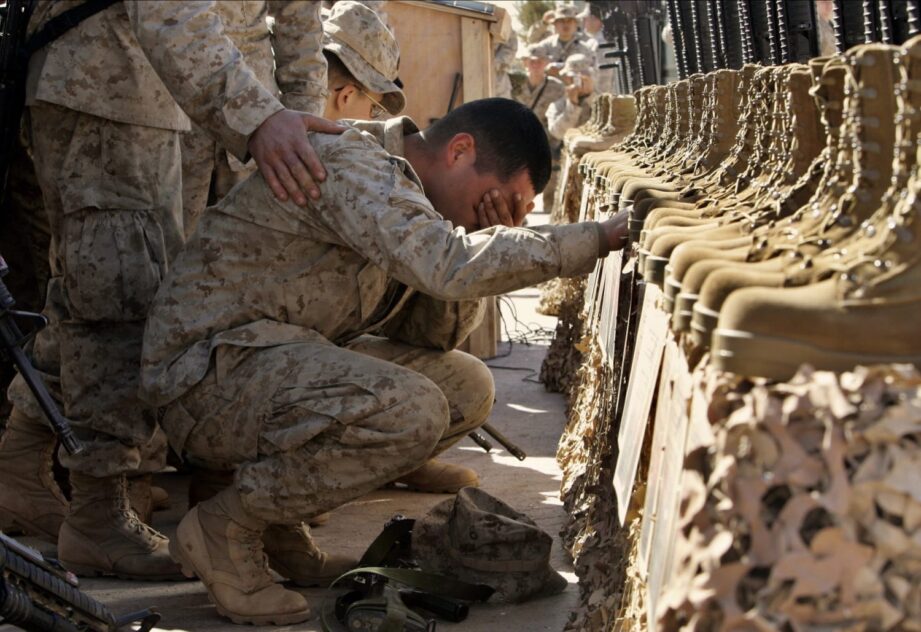
But the wounds don’t end when the fighting does. Soldiers come home carrying invisible scars that never fully heal. Families are torn apart. Children grow up knowing more about air raid sirens than bedtime stories.
Right now, over 100 million people around the world have been forced from their homes because of conflict. That’s not just a crisis—it’s an indictment of who we are.
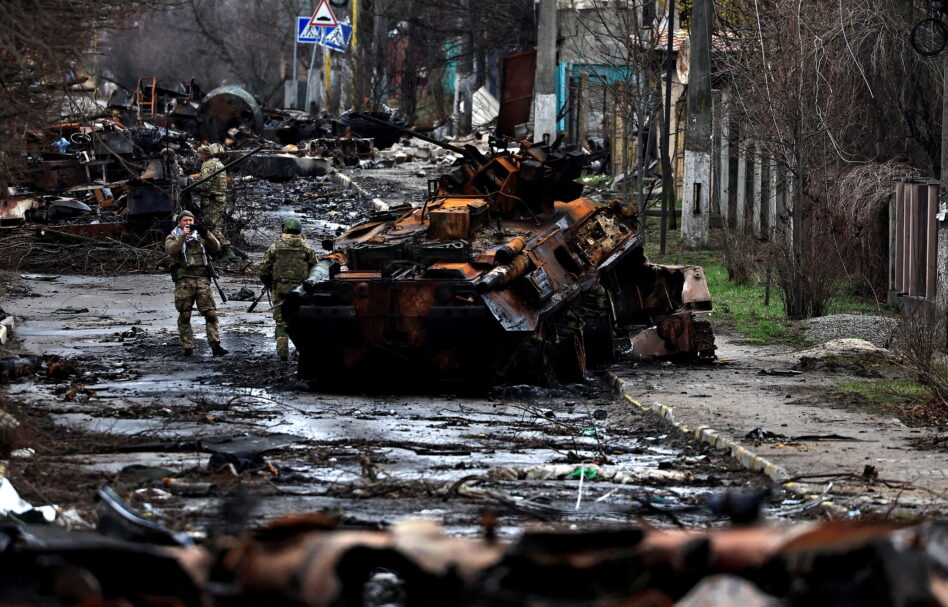
And even when the guns go quiet, the damage lingers. Broken cities. Shattered economies. Generations of mistrust. It can take decades—if ever—for a society to stitch itself back together.
Then there’s the money
War is also unbelievably expensive. We’re talking trillions of dollars spent on tanks, missiles, and military operations. The wars in Iraq and Afghanistan alone cost the US somewhere in the neighborhood of US$8 tril when you factor in long-term care for veterans and rebuilding efforts.
Just think about that for a second. What could we have done with that money? Funded schools? Hospitals? Clean energy projects that might actually slow climate change?
It’s hard not to wonder what the world would look like if even a fraction of that wealth had been spent on building things up instead of blowing them up.
It’s the planet, too
War doesn’t just destroy people—it destroys everything around them. Cities, museums, libraries, centuries of culture—gone in an instant. And the environment pays a price, too.
Militaries are massive polluters. Bombs leave behind toxic waste. Landmines make farmland unusable for generations. In a time when we’re already racing against the clock to save the planet, war only speeds up the destruction.
So why can’t we stop? If war is so awful, so expensive, so destructive—why do we keep going back to it?
Part of it is power. Nations want influence. They want resources. They want to come out on top. Nationalism can be a beautiful thing when it brings people together, but it can also turn ugly fast—especially when “us” starts to mean “not them”.
Then there’s the way leaders sometimes use fear to divide us. They point to differences—ethnicity, religion, history—and turn neighbors into enemies. Communities that lived side by side in peace for generations can suddenly be at each other’s throats.
We’ve tried to build systems to stop this. The United Nations was created exactly for that reason. But when countries are busy pursuing their own interests, even the best institutions struggle to keep the peace.
So where does that leave us?
We’re living in a world with weapons more powerful than ever before. Another major war wouldn’t just be a tragedy—it could be the end of everything we’ve built. And for what?
A hundred years of history shows us that war doesn’t solve problems. It just creates new ones. It deepens wounds; it sows the seeds for the next conflict.
If we ever want to break this cycle, we’re going to need more than treaties and deterrence. We’re going to need a shift in how we see ourselves—and each other. A recognition that, deep down, we’re all in this together.
Until then, the same sad question hangs in the air: How many more wars will it take before we finally learn? ‒ March 19, 2026
Main image: Adobe Stock