
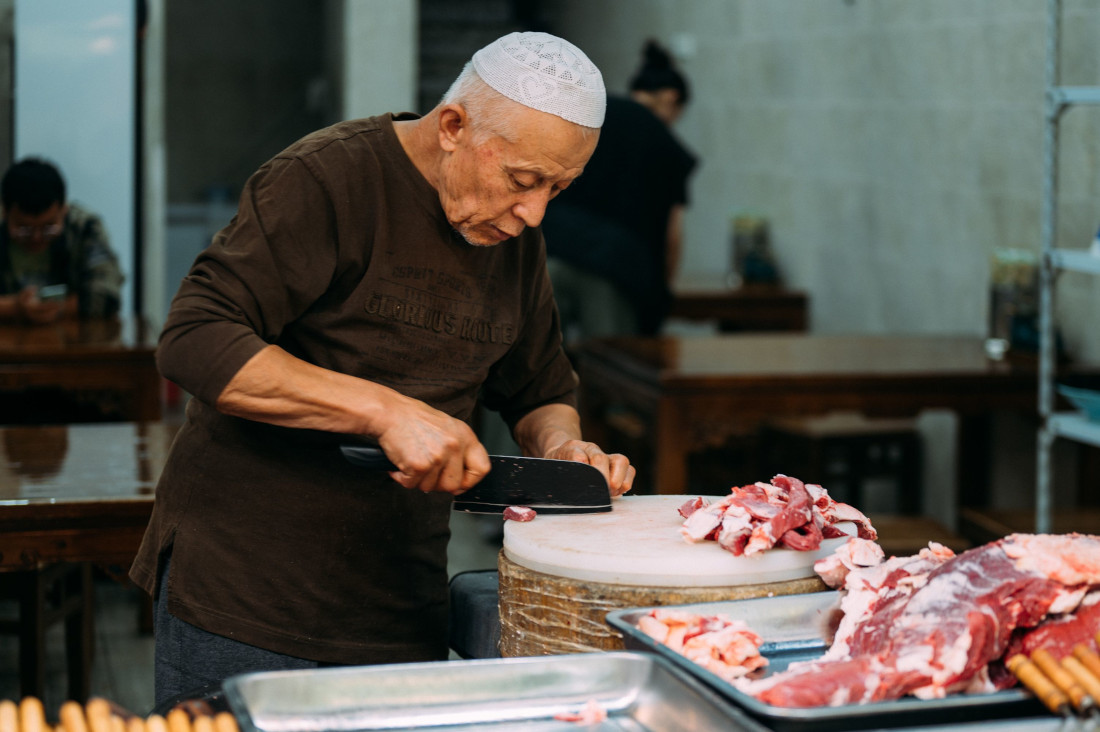
IT is becoming increasingly common to see older Malaysians working as security guards, food stall operators, market vendors and e-hailing drivers long after reaching retirement age.
While some choose to remain active, many continue working because they simply cannot afford to retire.
Malaysia is ageing rapidly. The Department of Statistics Malaysia (DOSM) projects that by 2025, people aged 65 and above will account for 8% of the population, and this proportion will continue to grow in the coming decades.
This demographic shift has significant implications for retirement income and financial security, particularly for older people with inadequate savings.
One of the main reasons many older Malaysians continue working is insufficient retirement income. Many retirees lack enough savings to cover their living expenses after leaving full-time employment.
This is especially true for those who spent much of their careers in the informal economy, where Employees Provident Fund (EPF) contributions were irregular or nonexistent, including the self-employed, small business owners and agricultural workers.
Even among formal-sector employees, retirement savings are often insufficient. EPF savings are commonly withdrawn as a lump sum upon retirement and may be depleted within a relatively short period, particularly as people live longer and living costs continue to rise.
Without a reliable financial safety net, many older Malaysians have little choice but to remain in the workforce.
The rising cost of living has further increased financial pressure on older households. Prices for food, utilities, transportation and healthcare have all risen steadily over the years.
Healthcare costs are especially significant, as many older adults require ongoing treatment for chronic medical conditions.
According to DOSM, the relative poverty line income in Malaysia stood at approximately RM3,509 per month in 2024.
Many households headed by older people live at or near this threshold, making part-time work an important source of supplementary income.
Most older Malaysians who remain economically active work in low-skilled or informal jobs such as security services, small-scale retail, food stalls and market trading.
In rural areas, many continue working on plantations or small farms, while those in urban centres often take up service or retail work. Although earnings are generally modest, they help cover essential daily expenses.
Changing family structures have also reduced the level of financial support available to many older people. Traditionally, adult children played an important role in supporting ageing parents through financial assistance, housing and caregiving.
However, urbanisation, smaller family sizes and rising living costs have made this arrangement increasingly difficult to sustain.
Many younger Malaysians now live far from their parents and face financial pressures of their own, including housing loans, childcare and education costs.
As a result, older people are increasingly relying on employment rather than family support to supplement their income.
For some older Malaysians, however, work is about more than financial necessity. Employment provides purpose, independence and opportunities for social interaction.
Many prefer to remain economically active rather than depend entirely on their families or government assistance. Continuing to work can also help reduce social isolation and improve overall mental well-being.
Nevertheless, working later in life presents its own challenges. Many older workers are employed in the informal sector, where legal protections, employment benefits and social security coverage are limited.
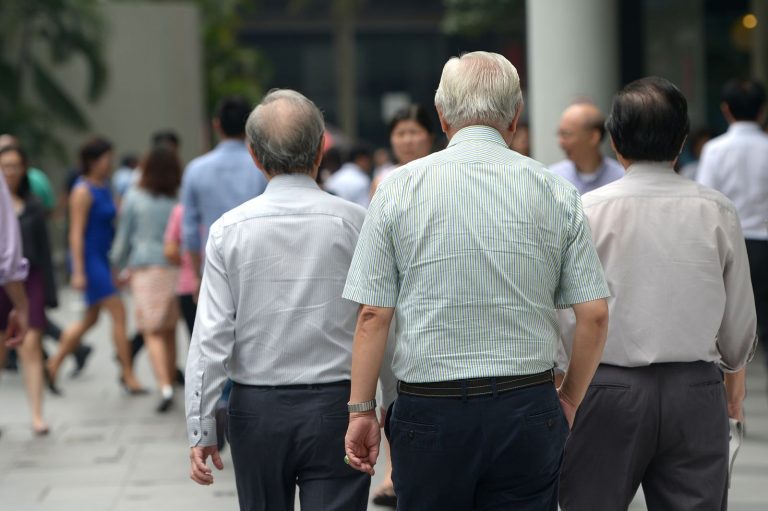
Physical work may become increasingly demanding for those with health conditions or reduced mobility, while irregular earnings offer little long-term financial stability.
The growing reliance on part-time employment among older Malaysians also reflects broader weaknesses in the country’s retirement and social protection systems.
Programmes such as Bantuan Warga Emas provide valuable financial assistance, but their coverage and benefit levels remain limited. Social assistance alone is therefore unlikely to address the growing risk of old-age poverty.
As Malaysia’s population continues to age, policymakers will need to strengthen retirement savings, expand social protection and create more age-friendly employment opportunities.
These measures would not only improve financial security but also allow older Malaysians who wish to remain employed to do so under fairer and safer conditions.
Retirement should represent a period of financial security and dignity after decades of work. For too many Malaysians, however, it has become a stage of life where continued employment is driven not by choice, but by necessity.
Addressing this challenge will be essential if Malaysia is to build a society where growing older does not mean growing more financially vulnerable. ‒ July 17, 2026
The author is a Research Fellow at the Ungku Aziz Centre for Development Studies (UAC), Universiti Malaya and a part-time lecturer at Azman Hashim International Business School (AHIBS) UTM.
The views expressed are solely of the author and do not necessarily reflect those of Focus Malaysia.
Main image: Pexels