

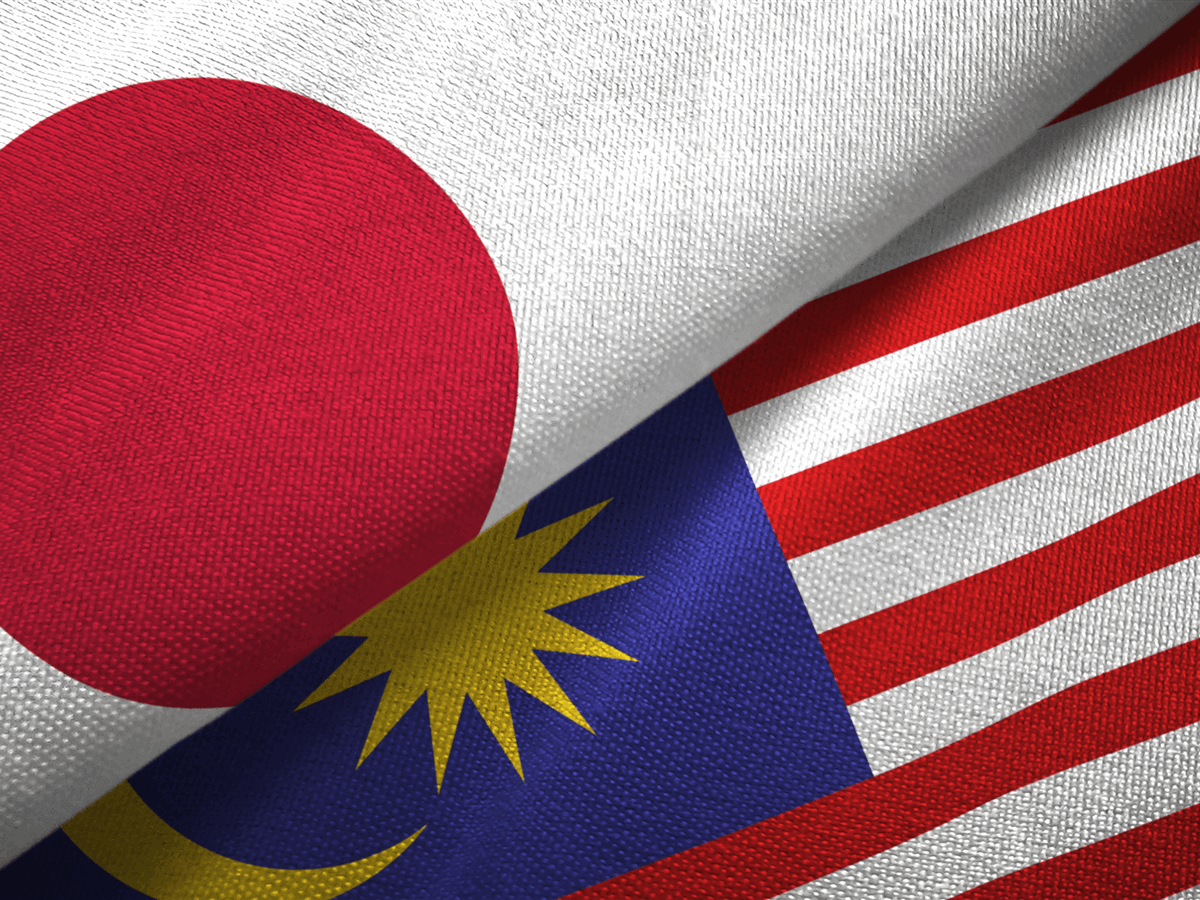
MALAYSIAN Defence Minister Datuk Seri Mohamed Khaled Nordin announced on May 19 that Putrajaya is seeking more than RM1 bil in compensation after Norway withdrew export approvals for a naval strike missile system intended for Malaysia’s Littoral Combat Ships.
The unexpected cancellation was a stark reminder of how vulnerable smaller states can be when geopolitical uncertainty disrupts defence procurement. It also underscored the importance of having reliable strategic partners in an increasingly unstable world.
Japan stands out as one such partner, particularly after enacting its most significant arms export reforms in decades, developments that could directly benefit Malaysia.
Tokyo has already begun expanding cooperation with Malaysia beyond the defence sphere. Earlier this year, Japan launched its first technical cooperation project with Malaysia on critical mineral development, reflecting growing concern over China’s dominance of rare earth supply chains.
The initiative signals a shared understanding that economic resilience and strategic autonomy are now closely intertwined.
At the same time, Beijing’s pressure on Indo-Pacific states has become increasingly difficult to ignore.
Last year, the Chinese Coast Guard reportedly spent 261 days operating within the northeastern section of Malaysia’s Exclusive Economic Zone, while maintaining a regular presence near the Luconia Shoals, where Malaysia conducts oil and gas exploration activities.
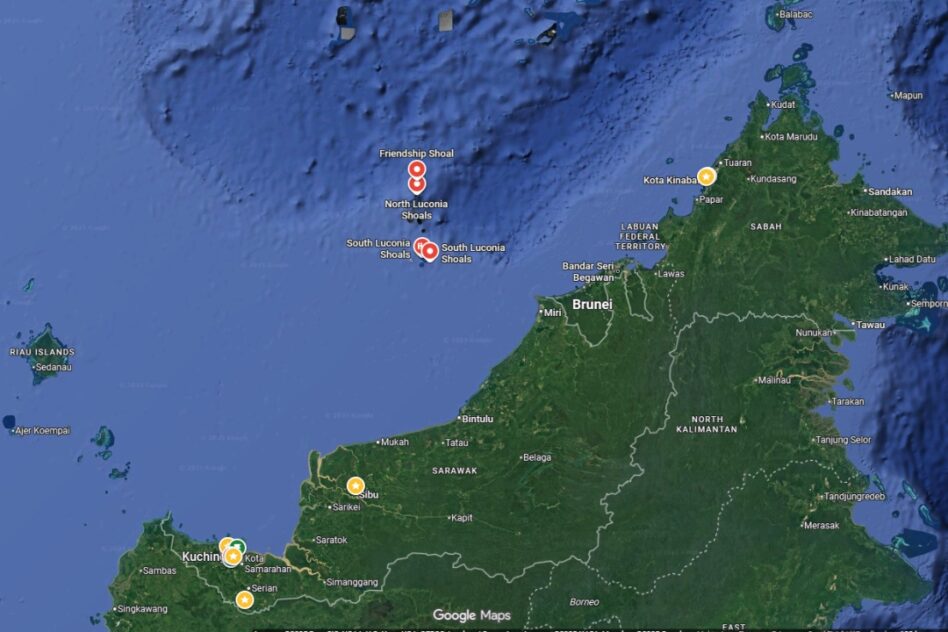
China has also intensified pressure in Philippine waters near Scarborough Shoal and around Japan’s Senkaku Islands.
These actions have been accompanied by continued land reclamation and the militarisation of disputed features across the South China Sea, including recent activity at Antelope Reef.
For decades, both Malaysia and Japan benefited from a regional order underpinned by a strong United States security presence.
While Putrajaya has traditionally balanced close economic ties with China alongside cautious engagement with Washington, the shifting global landscape is forcing regional powers to reassess old assumptions.
Although the United States remains militarily present in the Indo-Pacific, ongoing tensions in the Middle East have inevitably diverted part of Washington’s strategic attention elsewhere.
Combined with the growing complexity of regional security challenges, this creates both an opportunity and a responsibility for countries such as Japan and Malaysia to play a greater role in safeguarding regional stability.
The Japan–Malaysia partnership is built on a broadly shared vision of regional order. Japan’s Free and Open Indo-Pacific (FOIP) framework and ASEAN’s Outlook on the Indo-Pacific, strongly supported by Malaysia, both emphasise principles such as freedom of navigation, peaceful dispute resolution, and opposition to coercion.
Malaysia’s approach, however, remains shaped by economic realities and domestic political considerations.
Deep trade interdependence with China, coupled with public scepticism toward aspects of American foreign policy, limits how aggressively Putrajaya is likely to respond to maritime provocations.
Japan, by contrast, has adopted a far more urgent response to changing regional dynamics. Under Prime Minister Sanae Takaichi, Tokyo has significantly increased defence spending and expanded its security capabilities, including the acquisition of Tomahawk missiles for its destroyers.
Last month, Japan also eased restrictions on arms exports, allowing offensive weaponry to be transferred to 17 partner countries, including Malaysia.
Australia has already moved to deepen defence cooperation with Tokyo through the acquisition of Mogami-class frigates, widely regarded as among the most advanced multi-mission warships in their category.
As maritime pressures continue to grow, Malaysia may eventually consider similar defence arrangements on a smaller scale. Japan has previously supplied surveillance and monitoring equipment to Malaysia, and further expansion of these cooperation frameworks could prove highly beneficial.
The Japan–Malaysia Comprehensive Strategic Partnership, signed in December 2023, has provided an important institutional foundation for this growing relationship.
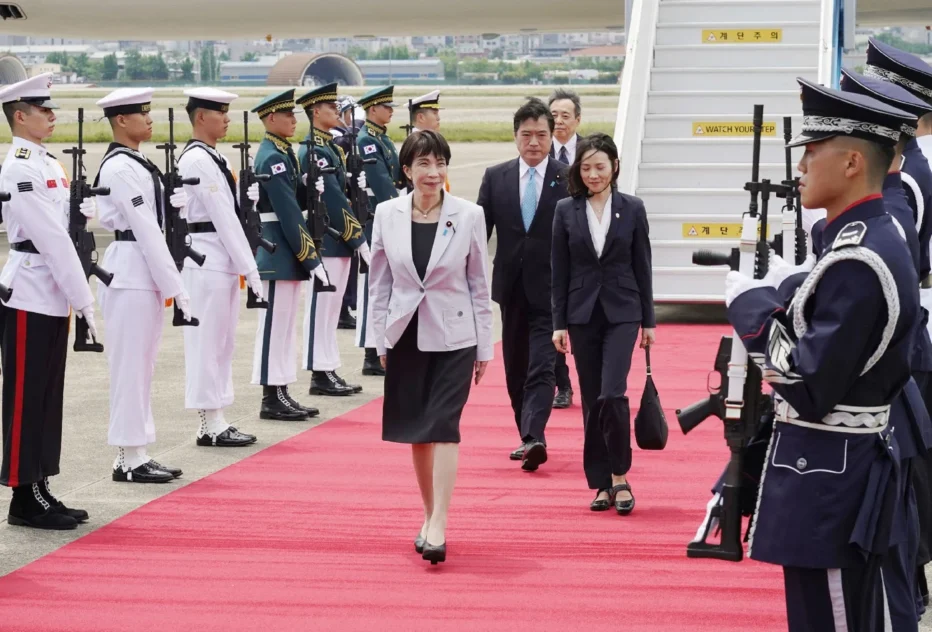
Bilateral engagements, including the MALPAN naval exercises involving air defence and interoperability training, demonstrate that both countries are steadily building operational trust and deeper strategic coordination.
At the same time, Japan–Malaysia cooperation does not exist in isolation. It complements a broader network of regional partnerships and frameworks, including FOIP, the Comprehensive and Progressive Agreement for Trans-Pacific Partnership (CPTPP), and ASEAN-led mechanisms aimed at preserving stability and economic openness across the Indo-Pacific.
The growing cooperation between Tokyo and Putrajaya, whether through defence engagement, maritime coordination, or critical mineral partnerships, reflects a shared recognition that the regional environment is becoming more uncertain.
If Malaysia and Japan are serious about protecting their economic interests, strategic autonomy, and the broader regional order, their partnership will need to continue deepening in the years ahead. ‒ May 22, 2026
R. Paneir Selvam is Principal Consultant at Arunachala Research & Consultancy Sdn Bhd (ARRESCON), a think tank specialising in strategic and geopolitical analysis.
The views expressed are solely of the author and do not necessarily reflect those of Focus Malaysia.
Main image: iStock