
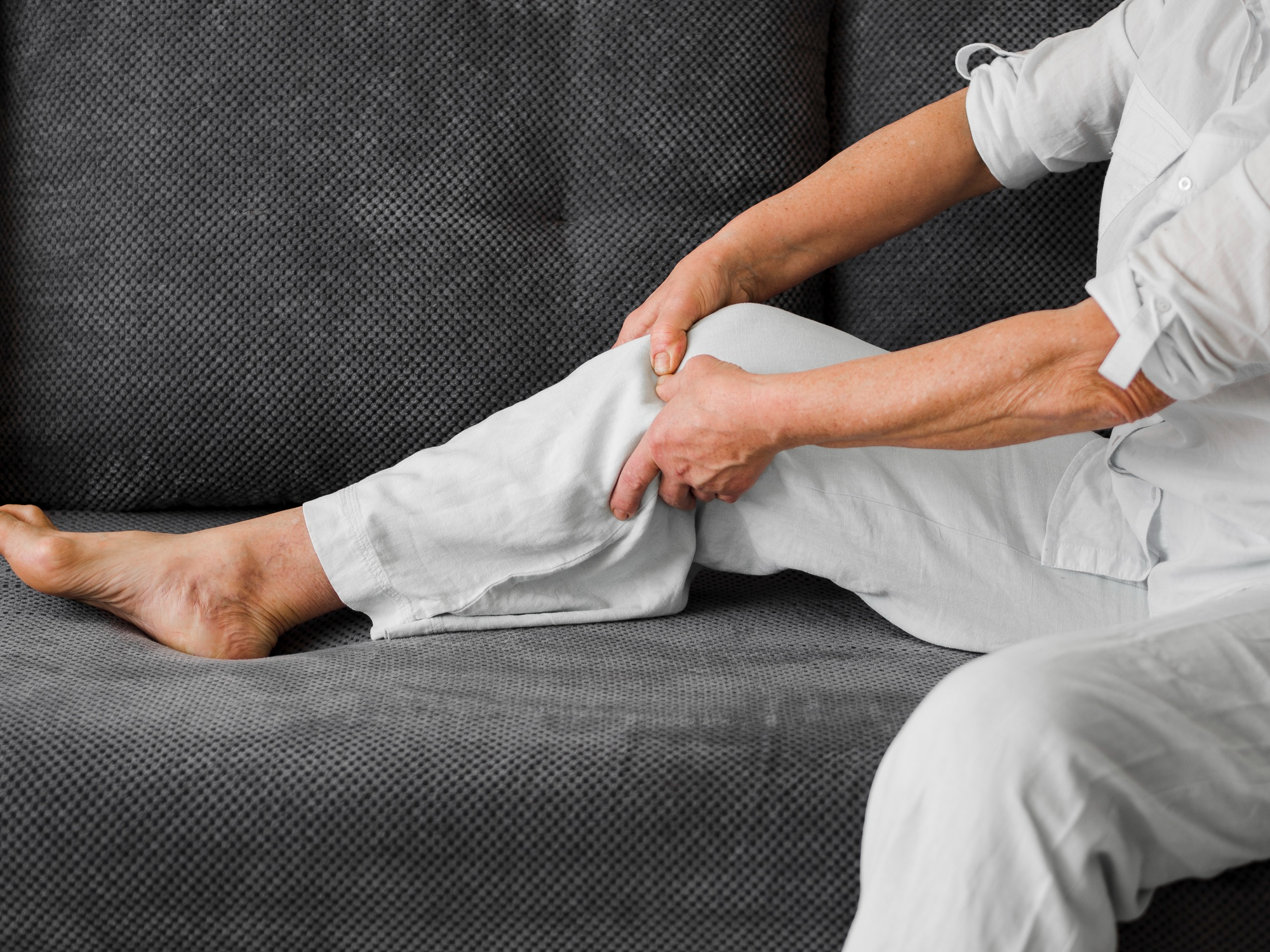
IMAGINE kicking a football, lunging for a shuttlecock, or landing awkwardly from a jump. Then it happens: a sharp pain, a popping sensation in the knee, and suddenly you can no longer stand.
Anterior cruciate ligament (ACL) injuries are becoming increasingly common among recreational athletes in Malaysia, particularly among those who take up sports without first building adequate muscle strength and conditioning.
Weak glutes, hamstrings and core muscles often leave the knee vulnerable during sudden changes in direction, jumping and other high-impact movements.
While more Malaysians are embracing recreational sport, national data shows that 84% of adults remain insufficiently active. This gap between enthusiasm and physical readiness is contributing to a rise in preventable injuries.
According to Dr Ahmad Hisham Abdul Rashid, Consultant Orthopaedic, Arthroplasty and Robotic Surgeon at Sunway Medical Centre, Sunway City, ACL injuries are no longer limited to professional athletes.
“We’re seeing more young adults, especially those aged between 20 and 45, presenting with ACL injuries from futsal, football, badminton, volleyball and even gym workouts,” he commented.
“Most haven’t prepared their bodies for these activities. They skip warm-ups, their muscles aren’t properly conditioned, and they go straight into high-impact play.”
How ACL injuries happen
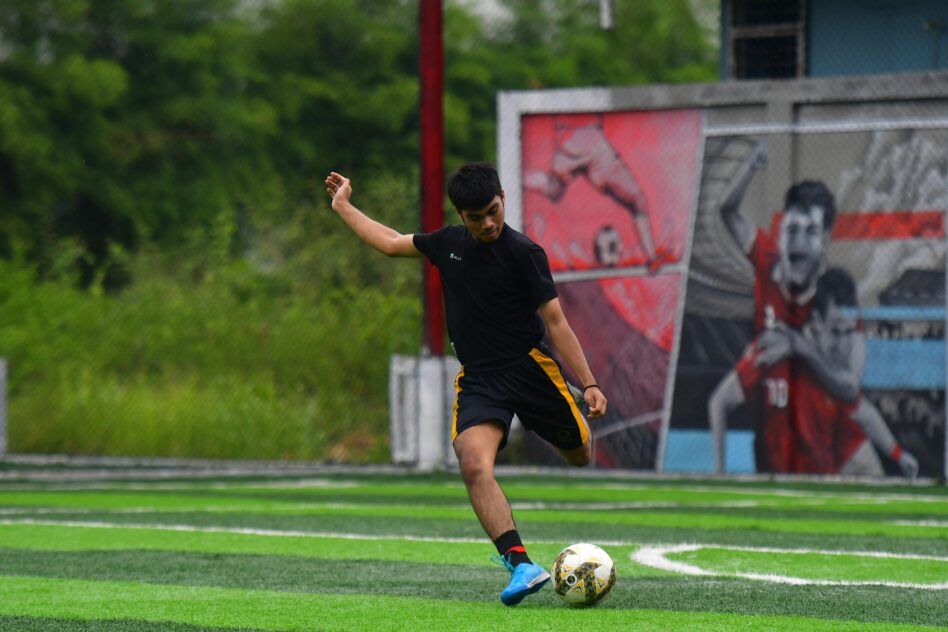
The ACL is a major ligament that stabilises the knee during sudden stops, pivots and jumps. Tears often occur when the foot remains planted while the body twists, a common mechanism of injury in sports such as football, rugby and basketball.
“When the ACL tears, patients often hear or feel a pop. This is usually followed by immediate pain, swelling, difficulty bearing weight and reduced knee movement,” explained Dr Ahmad Hisham.
He recalled a patient in his 20s who suffered a complete ACL tear after landing awkwardly while playing football.
“He experienced immediate pain and swelling and was unable to continue playing. An MRI later confirmed a full ACL tear, and surgery was required,” he added.
Many people dismiss knee pain and continue walking despite the injury. However, Dr Ahmad Hisham cautioned that this can have long-term consequences.
“You can still walk with a torn ACL. However, without treatment, the knee becomes unstable. Over time, this may damage other structures in the knee, including the cartilage and meniscus, increasing the risk of early osteoarthritis,” he stressed.
ACL injuries are not limited to organised sport. Everyday activities involving sudden twisting or awkward movements can also result in injury, particularly when the surrounding muscles are weak.
Muscle weakness is often the real problem
The quadriceps, hamstrings, glutes, adductors and calf muscles work together to stabilise the knee. When these muscles are weak or undertrained, particularly among sedentary office workers or occasional gym-goers, injury risk increases significantly.
“Many people think the injury happened because of the sport itself. In reality, the underlying cause is often long-term muscle weakness. People spend time training their upper body or doing cardio, but neglect their legs. Eventually, their knees pay the price,” Dr Ahmad Hisham noted.
According to Dr Ahmad Hisham, prevention begins long before stepping onto the court or field.
“Strengthen your legs and core, work on your balance, and always warm up before exercise and cool down afterwards. It only takes 10 minutes, but many people skip it,” he advised.
Exercises such as squats, lunges, leg curls and single-leg balance drills can significantly improve knee stability.
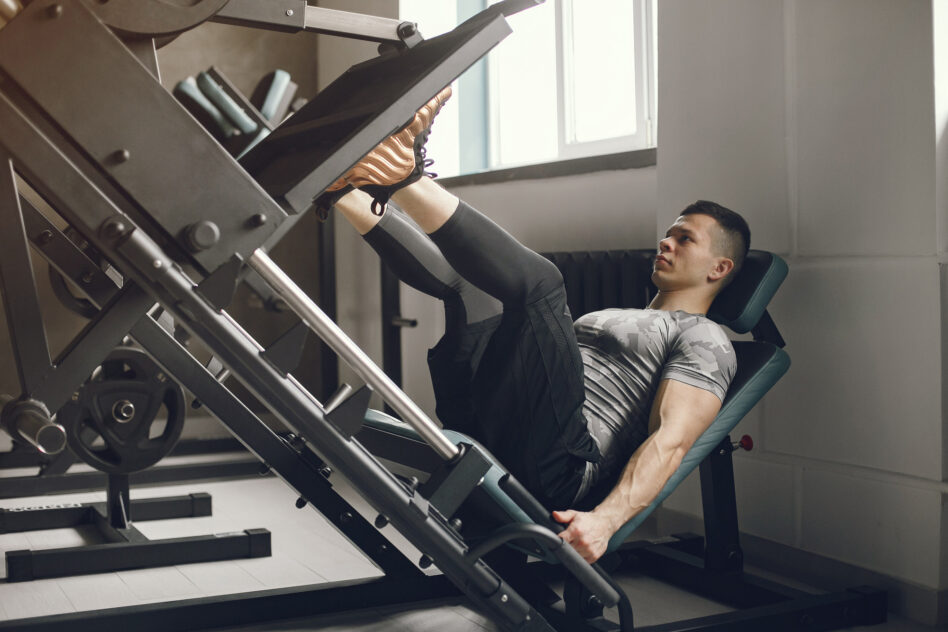
“You don’t need expensive equipment. Even simple bodyweight exercises at home can help protect your knees,” he added.
As more Malaysians embrace active lifestyles, Dr Ahmad Hisham urged sports enthusiasts to prepare their bodies properly before taking part in demanding physical activities.
When to seek medical attention
Many people assume the pain will disappear with rest or painkillers. However, delaying treatment may worsen the injury.
“If you hear a pop, or if your knee becomes swollen, unstable or painful when bearing weight, seek medical attention. Only an MRI can definitively confirm an ACL tear. Don’t wait,” advised Dr Ahmad Hisham, who added that even if the swelling subsides, underlying instability might remain.
“Some patients only realise months later that their knee feels weak or keeps giving way. By then, additional damage may already have occurred.”
For complete ACL tears, surgical reconstruction remains the gold standard treatment. However, surgery alone does not guarantee recovery.
“The operation typically takes between one and one-and-a-half hours, but rehabilitation takes months. Motivation is crucial. Without physiotherapy, the knee will not regain its full function,” Dr Ahmad Hisham pointed out.
Patients generally begin gentle movement within days of surgery, progress to light exercise after about three months, and may return to contact sports after six months, subject to medical clearance.
“Some people feel better after surgery and stop attending rehabilitation sessions. That significantly increases the risk of re-injury. The new ligament is still healing and needs time and training to function properly,” he added.
One of the most important messages, said Dr Ahmad Hisham, is to listen to your body.
“Many people try to push through pain and continue playing. That’s how minor injuries become major ones. If your knee hurts, feels unstable, or something doesn’t feel right, stop and get it checked.” ‒ June 11, 2026
Main image: Sunway Medical Centre