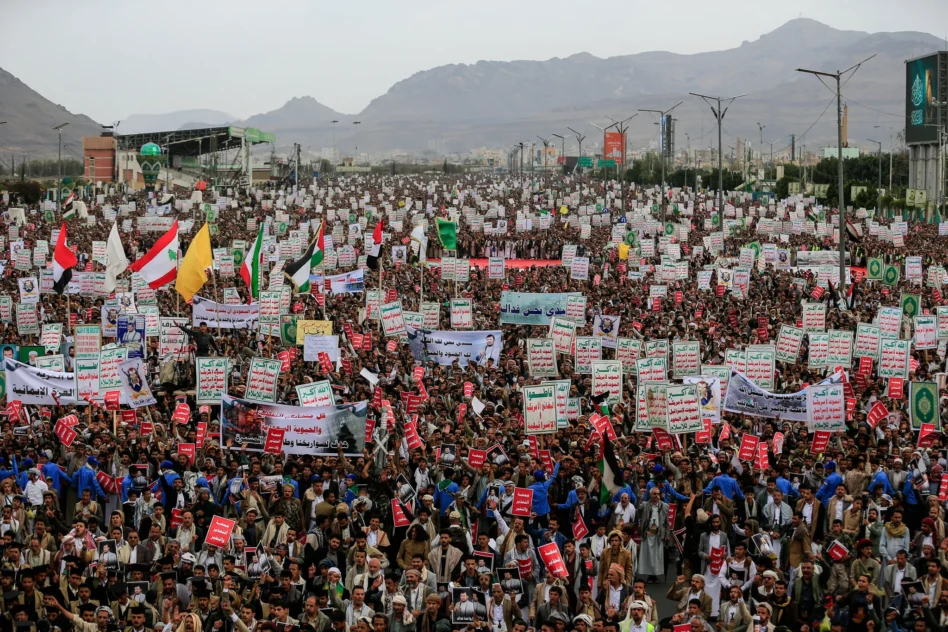

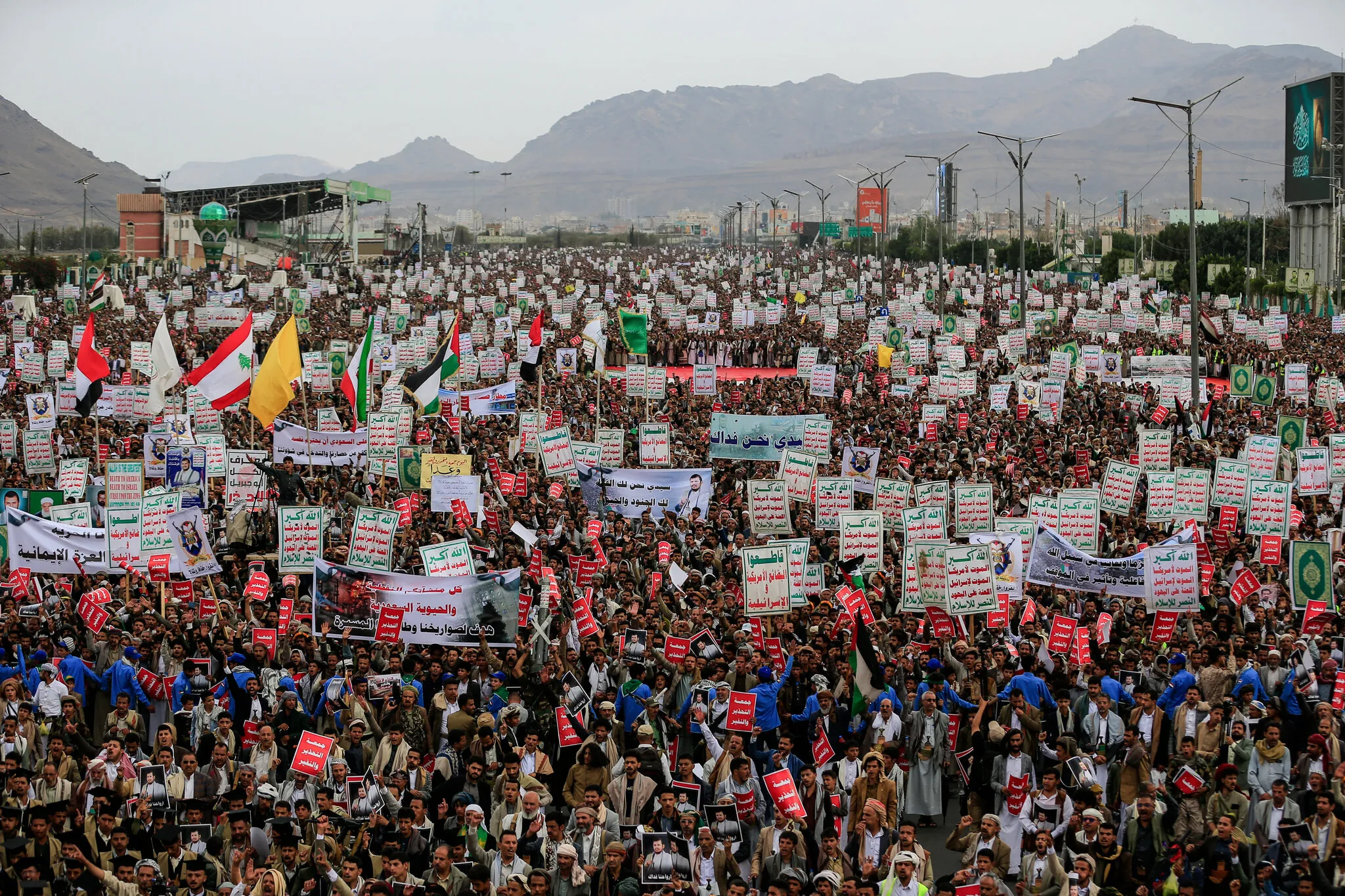
THE renewed fighting in Yemen is no longer simply a domestic struggle. It threatens regional security, international shipping and the global economy, with consequences extending beyond the Middle East.
For Malaysia, the crisis demands more than expressions of concern. It offers an opportunity to mobilise the Organisation of Islamic Cooperation (OIC) to promote de-escalation before further fighting deepens humanitarian suffering and economic instability.
The United Nations has warned that Yemen has returned to full-scale war, with hostilities spreading across multiple fronts. Houthi attacks on Saudi infrastructure, including airports and energy facilities, have further heightened tensions.
A regional conflict with global consequences
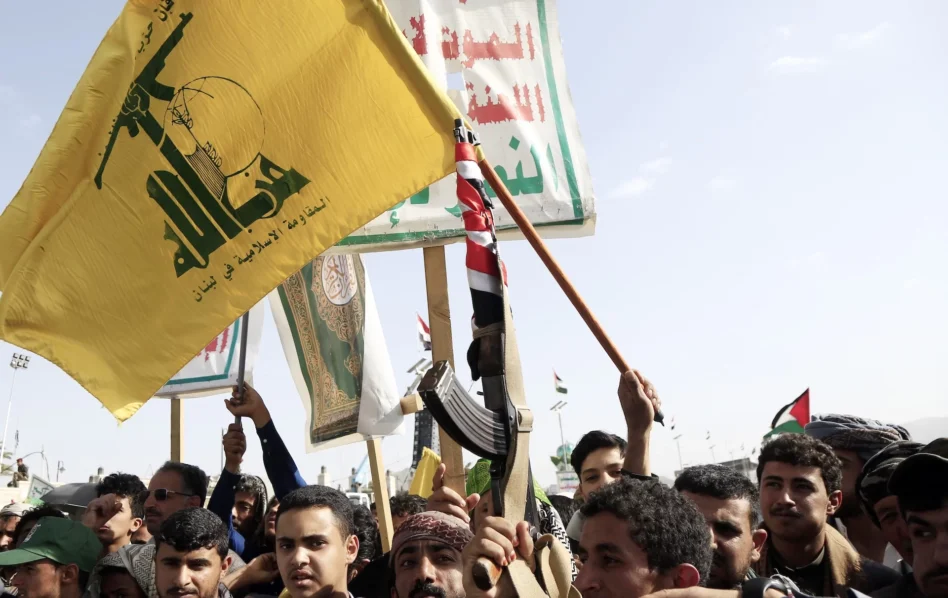
The Houthis, also known as Ansar Allah, captured Yemen’s capital, Sana’a, in 2014, intensifying their conflict with the internationally recognised government. Saudi Arabia subsequently led a military coalition supporting the government.
Iran has provided military assistance to the Houthis, including support linked to their missile and drone capabilities, although the movement retains its own political interests and decision-making capacity.
Yemen’s strategic location makes the conflict particularly consequential. The Bab al-Mandeb Strait connects the Red Sea to the Gulf of Aden and is a vital passage for international trade, including shipments travelling between Asia and Europe through the Suez Canal. The Strait of Hormuz, meanwhile, is critical to global energy supplies.
Disruption to either route can increase shipping costs, delay deliveries and put pressure on energy markets. Prolonged insecurity around both could amplify these effects.
Higher crude oil prices are another concern. Geopolitical tensions can raise the risk premium attached to oil, while attacks on energy infrastructure and shipping create uncertainty over future supplies.
Although prices also depend on production, inventories and demand, sustained instability can intensify inflationary pressures.
The Russia-Ukraine war adds to the uncertainty surrounding commodity markets and transport costs.
Malaysia, as a trading economy, is exposed to these pressures through fuel costs, freight charges, business expenses and government subsidy spending. Lower-income households would be particularly vulnerable to rising prices.
Malaysia must mobilise the OIC
Malaysia should advocate an urgent OIC foreign ministers’ consultation to establish a common diplomatic position. Its members have differing relationships with Saudi Arabia, Iran and Yemen’s competing political actors.
While these differences complicate consensus, they also create an opportunity for dialogue.
The immediate priority should be to stop attacks on civilians and civilian infrastructure, protect energy facilities and safeguard commercial shipping.
Malaysia should engage Riyadh, Tehran, Yemen’s internationally recognised government and relevant Houthi representatives where feasible.
Its message should be consistent: security concerns must be addressed through diplomacy, not attacks that expose civilians and neighbouring countries to greater danger.
Malaysia should also work with Oman, which has experience facilitating contacts in the Yemen conflict, and support United Nations mediation.
The OIC cannot replace the UN or impose a settlement, but it can encourage regional governments to support negotiations and restrain further escalation.
A phased approach would be more realistic than demanding an immediate comprehensive settlement. Initial measures should protect civilians and facilitate humanitarian access.
Subsequent negotiations could address commercial shipping, energy infrastructure, detainee exchanges and confidence-building measures, supporting a broader political process to resolve Yemen’s internal divisions.
Turning diplomacy into economic security
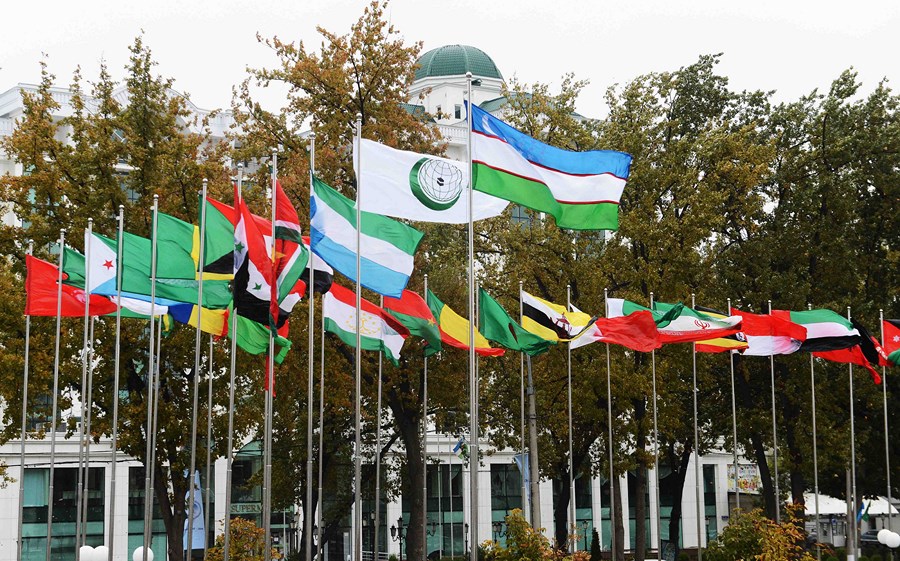
Malaysia should encourage the OIC to assess the economic consequences of prolonged disruption to the Red Sea, Bab al-Mandeb and Strait of Hormuz, including the implications for oil prices, shipping insurance, food security and developing economies.
Energy-producing and energy-importing OIC members could coordinate contingency planning, improve market communication and support humanitarian supply corridors.
Malaysia could offer to host preliminary consultations if the parties agree, while ensuring any initiative complements existing international maritime and energy arrangements.
Domestically, the government should prepare for sustained energy-price volatility by monitoring fuel costs, protecting vulnerable households and assessing businesses’ exposure to shipping disruptions.
Diplomatic intervention cannot guarantee lower oil prices, but preventing further escalation could reduce one significant source of uncertainty.
Peace must be the strategic objective
The OIC’s central challenge is the divergence of its members’ strategic interests. Malaysia should therefore focus on achievable objectives rather than demand agreement on every geopolitical dispute.
Protecting civilians, securing maritime trade and reopening negotiations offer a credible starting point.
Malaysia cannot end the war alone, and the OIC cannot guarantee that armed actors will comply. Nevertheless, coordinated diplomacy can narrow the space for escalation and strengthen incentives for restraint.
Yemen must not become another battlefield where regional powers pursue rivalries at the expense of ordinary people.
With conflicts across the Middle East and Europe already contributing to global uncertainty, the consequences of further escalation could extend far beyond the region.
Malaysia should use its diplomatic influence now. The true measure of Islamic solidarity is not the strength of political declarations, but the ability to turn shared concerns into practical action that saves lives, protects trade and brings the region closer to peace. ‒ Oct 13, 2026
R Paneir Selvam is Principal Consultant at Arunachala Research & Consultancy Sdn Bhd (ARRESCON), a think tank specialising in strategic national and geopolitical analysis.
The views expressed are solely of the author and do not necessarily reflect those of Focus Malaysia.
Main image: Getty Images