A VETERAN journalist has wondered if Sarawak which is long deemed a beacon of pluralism in Malaysia is beginning to absorb the same strains of religious hyper-sensitivity that have re-shaped daily life in Peninsular Malaysia.
Borneo-based Joseph Masilamany whose journalism stint spans four-decade has expressed concern that the latest controversy surrounding the branding of Santubong Beer could mark a slow erosion of confidence in the values that make Sarawak unique.
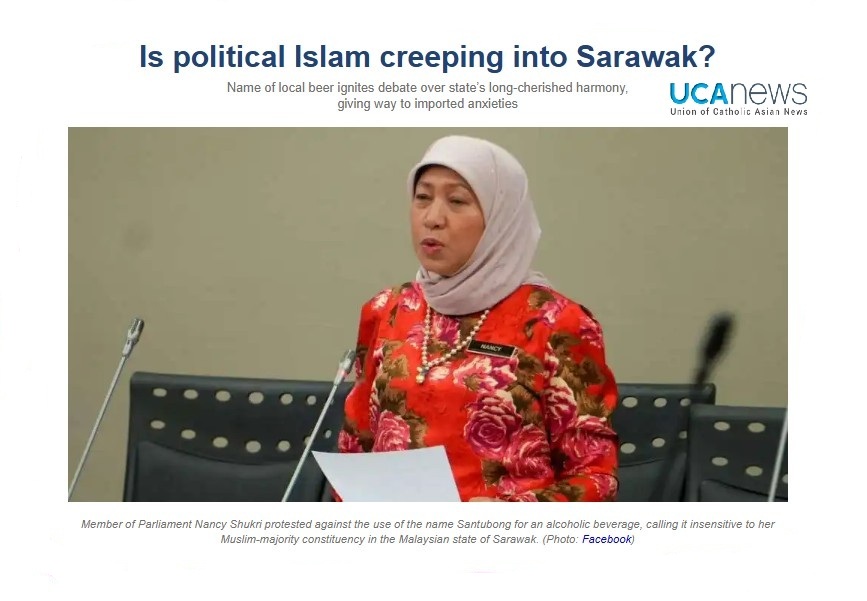
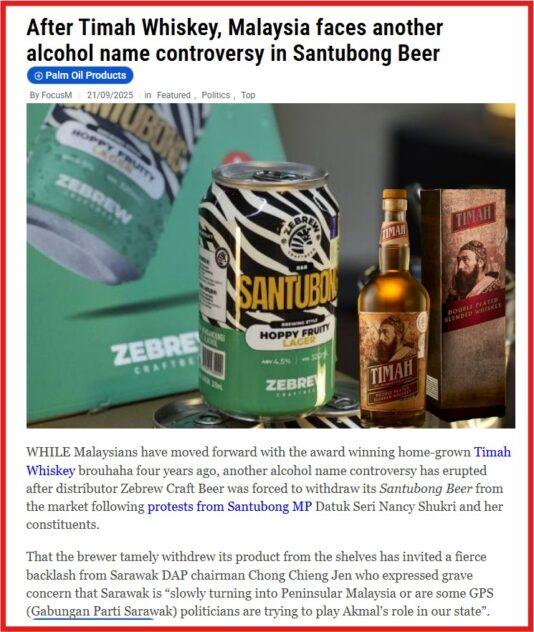
Recount that the controversy erupted after Santubong MP and Women, Family and Community Development Minister Datuk Seri Nancy Shukri protested against the use of the name Santubong for a beer brand as being insensitive to her Muslim-majority constituency.
This pitted her against Sarawak DAP chairman and Stampin MP Chong Chieng Jen who expressed grave concern that Sarawak is “slowly turning into Peninsular Malaysia given some GPS (Gabungan Parti Sarawak) politicians are trying to play Akmal’s role in our state”.
“The issue is not about one beer or one mountain’s name. It is about Sarawak’s soul. Will this state – so often held up as Malaysia’s model of unity in diversity – begin to mirror the anxieties of the Peninsula?” Joseph penned in a recent Union of Catholic Asian News (UCA News) opinion editorial.
“Sarawak, a predominantly Christian state, has long been different (from Peninsular Malaysia). Here, kopitiams serve pork alongside halal chicken rice and nobody bats an eyelid.
“A Muslim neighbour may happily sit at the same table where beer is being poured, secure in the knowledge that his faith is his own – not something fragile to be guarded against the mere presence of another’s customs.
“This relaxed co-existence is part of the state’s DNA, preserved even through the turbulence of Malaysian politics.”
In the contention of Joseph who had previously worked with several major newspapers and reported for prominent national and international publications, the speed with which outrage translated into Santubong Beer’s withdrawal from the shelves signals a troubling trend – “the power of offence-taking as a political tool”.
“Sarawakians have every right to honour and protect their cultural symbols. If some felt uneasy about a beer brand name, dialogue could have been the way forward,” countered Joseph.
“Perhaps re-branding with clearer cultural intent or involving community leaders in discussion (not politicians).”
Joseph went on to state that Sarawak’s pluralist identity is not an accident of history but the fruit of centuries of co-existence.
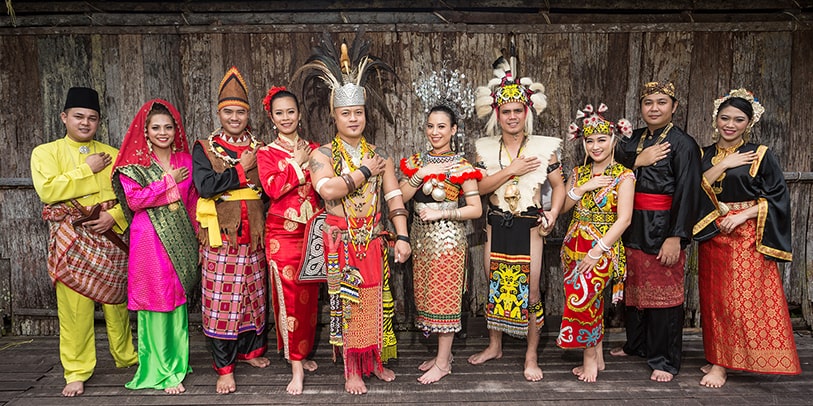
“From the indigenous Dayak traditions to the arrival of Chinese traders, from the spread of Islam to the mission schools established by Christians, the state has woven a tapestry where faith and culture are lived side by side,” he cautioned.
“This balance is fragile, and it requires vigilance to preserve.”
Even the Malaysia Agreement 63 (MA63) signed when the state became a part of Malaysia was more than a legal agreement for “it was a promise that Sarawak’s way of life would be respected within Malaysia”.
“The Santubong Beer episode is a reminder that such promises are only as strong as the people who defend them,” asserted Joseph.
“If Sarawakians begin to cede ground on cultural expression out of fear of offending, they risk eroding the very foundation of their autonomy.” – Sept 23, 2025