

THE Galen Centre for Health & Social Policy has urged the government to make bold reforms and increased investment for three critical actions—financing health and aged care; removal of sugar subsidies and increasing on-call allowances for doctors and dentists.
Its CEO Azrul Mohd Khalib said it is inadequate and unsustainable to expect or depend on increases in the early allocation for health under the government federal budget as it is tax-funded.
“At the current growth rate, assuming consistent political commitment, it would take at least 10 years to reach the desired 5% of today’s GDP levels,” he noted.
“The question ‘How do we pay for it?’ should rightly be on the minds of decision and policy makers whenever more funding is demanded. Future-proofing our health system must involve answering this question realistically.”
In terms of financing health and aged care, Azrul said that the government needs to not only identify new, additional and sustainable funding for health but also ensure that aged care will be properly supported.
“A compulsory National Health and Social Insurance (NHSI) is needed to provide complementary funding to support both health and aged care,” he continued.
“Adopting a rate similar to SOCSO contributions (1.75% of employer’s share and 0.5% employee), we could raise at least RM6 bil annually to complement the annual health allocation under the federal budget. It will complement the existing annual budgetary allocation, not replace it.”

Azrul went on to explain that this could provide a means to improve treatment and care options, expand human resource options (recruitment, retention, better pay), and a critical resource during times of crisis.
He said with more of the population becoming older and needing specialised services, a portion of the funds collected from NHSI could ensure that aged care is properly funded and sustained.
As more than 11% of Malaysia’s population is already above the age of 60, simply hoping or assuming that families and private services will bear the burden and costs of aged care will mean that many older people will be deprived of appropriate support, especially long term care.
“The government should also remove the RM1 and RM5 charges for outpatient and specialist care respectively in Ministry of Health (MOH) facilities,” Azrul suggested.
“People should not need to pay anything at the point of accessing care. These charges also keep alive the fiction that the cost of healthcare in Malaysia is cheaper in government facilities, and mislead the public.”
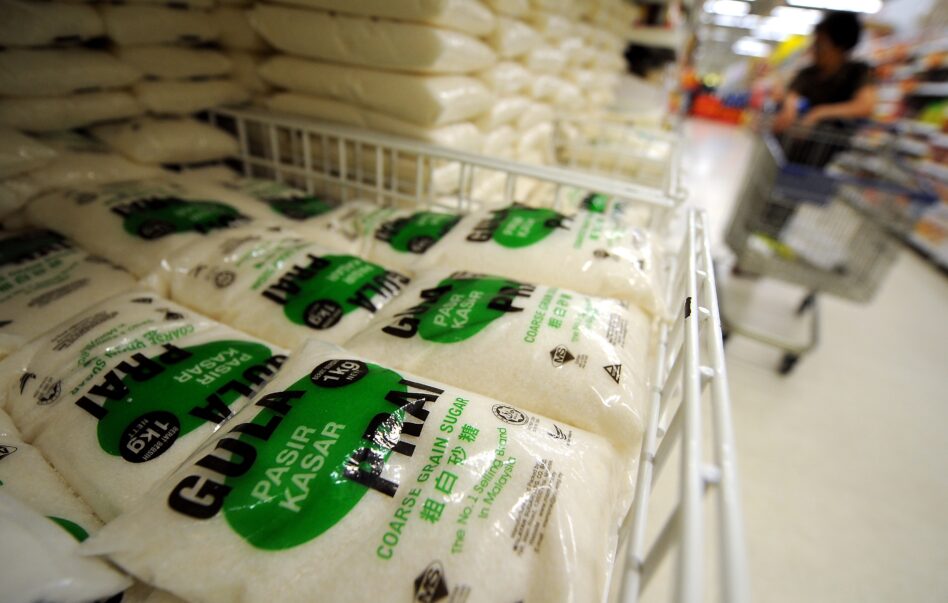
Meanwhile, Azrul said the government should remove all sugar subsidies and remove sugar from the schedule of controlled items under the Price Control and Anti-Profiteering Act 2011.
“These cost the taxpayer at least RM500 mil annually. Subsidising sugar is not necessary for living,” he pointed out.
“Sugar subsidies were supposed to have been abolished more than 10 years ago. However, due to the price of sugar continuing to be controlled rather than determined by the market, the government was forced to provide payments to sugar manufacturers from November 2023 as incentives or subsidies.
“The price of sugar should be floated and those subsidies used for other health priorities.”
These subsidies funded by taxpayers amount to RM1.00 per kilogramme of sugar for raw sugar and refined sugar which translates to around RM42 mil monthly, and between RM500 mil to RM600 mil yearly.
Azrul said RM500 mil in annual sugar subsidies wipe out any current and potential revenue gained from the increase in sugar-sweetened beverages (SSBs) taxes, which are around RM300 mil while also undermining the MOH’s ‘War on Sugar’.
On the increase on-call allowances for medical officers/ dentists and specialists, Azrul said by spending an additional RM80 mil annually, an increase of RM55 to RM65 per shift for medical/dental officers and specialist medical/dental officers would help fulfil a key government’s promise to healthcare workers.
“Medical/ dental officers and specialist medical/dental officers are currently paid on-call allowance (ETAP) for 24 hour weekend shifts of RM220 and RM250 respectively. On weekdays, the rate is set at RM200 and RM230 per shift respectively,” he stated.
“Doctors’ groups believe that the existing RM220 weekend on-call claims rate to RM9.16 per hour for a 24-hour shift are unfair and exploitative. These are less than the hourly rate paid to restaurant workers and coffee baristas at retail shops.
“This rate is contributing to reasons for the increasing dissatisfaction, frustration and exodus of skilled healthcare workers from public healthcare. Our healthcare workers deserve better.” ‒ Sept 26, 2025
Main image: The Centre