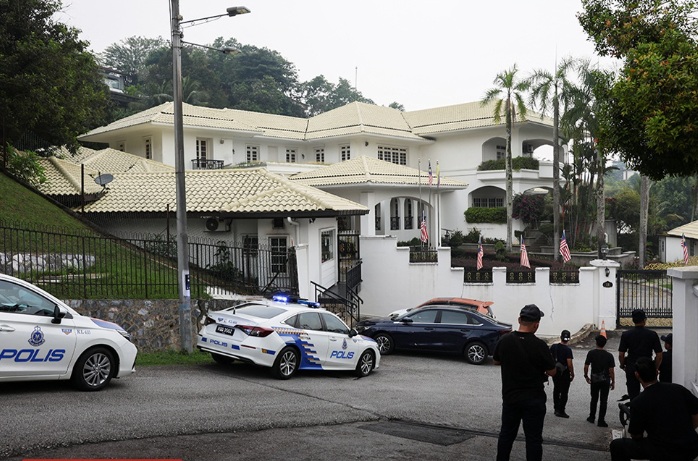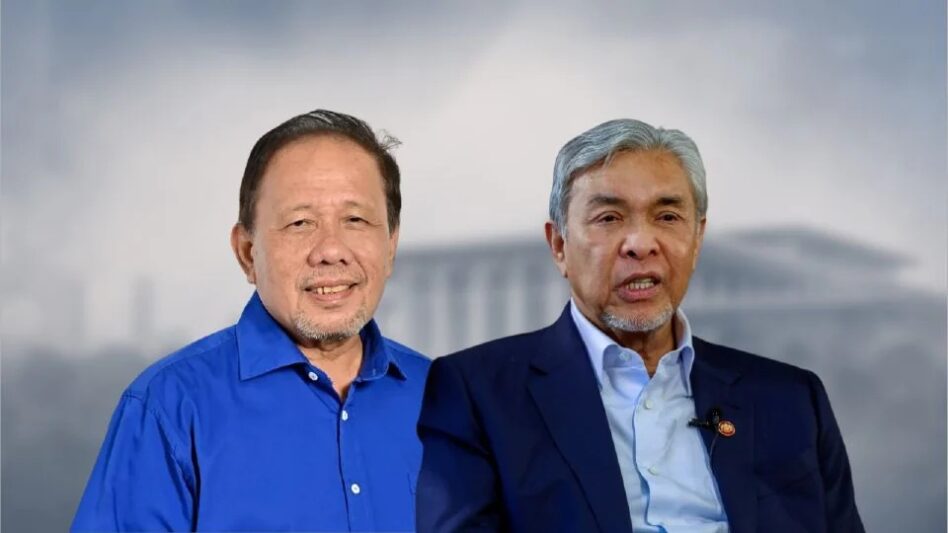

HONOURING military personnel, fighters and citizens who died in wars, conflicts or struggles for freedom is a noble value that is highly demanded but it should not be expressed by completely imitating foreign military traditions or rituals of respect that contradict the Sharia.
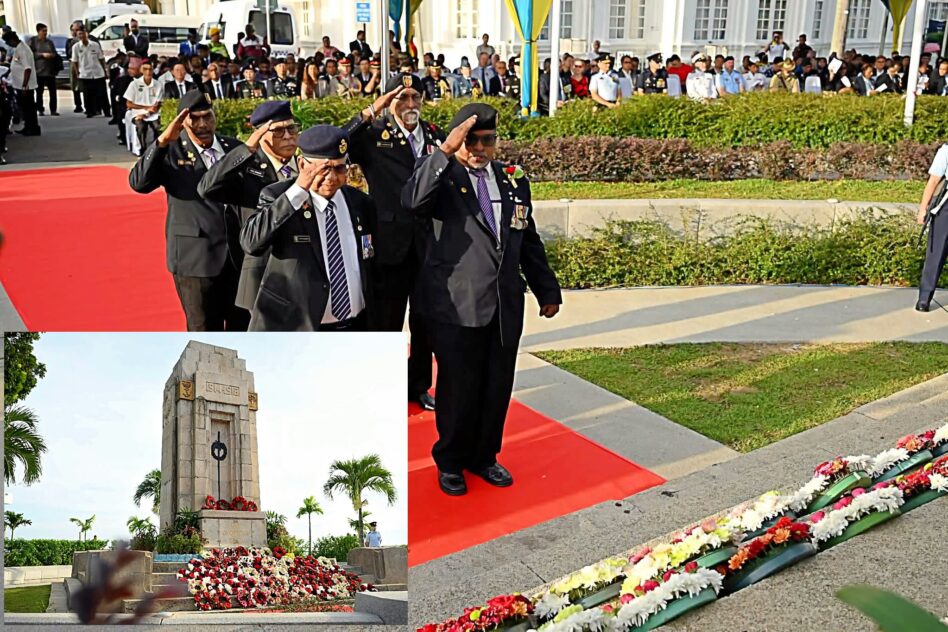
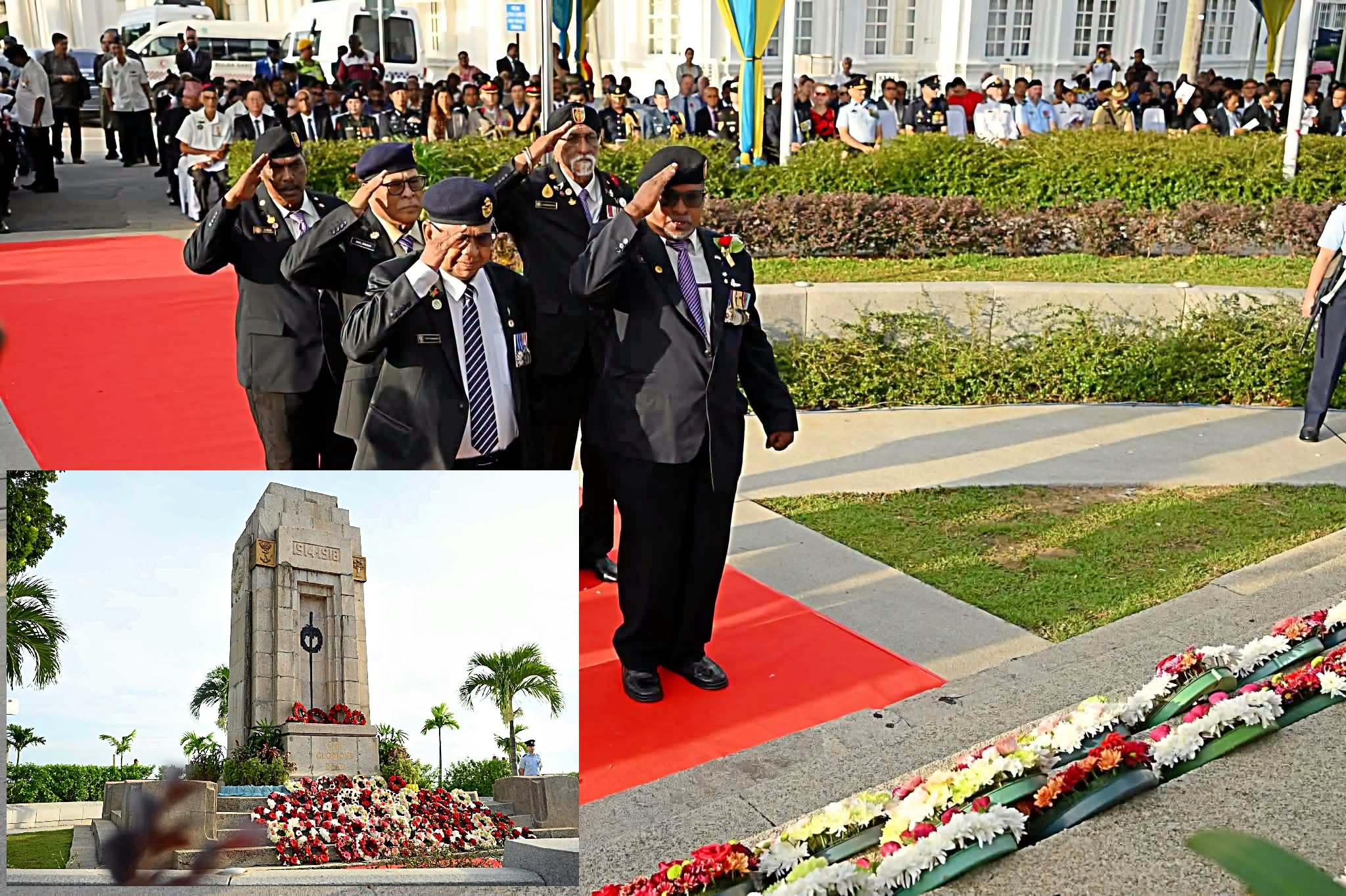
Taking a cue from the recent World Remembrance Day Celebration at the Cenotaph (Penang War Memorial) on Nov 15, a seemingly pious military strategist has pointed out that the act of bowing the head or giving salute in front of a stone monument is contrary to existing fatwa guidelines.
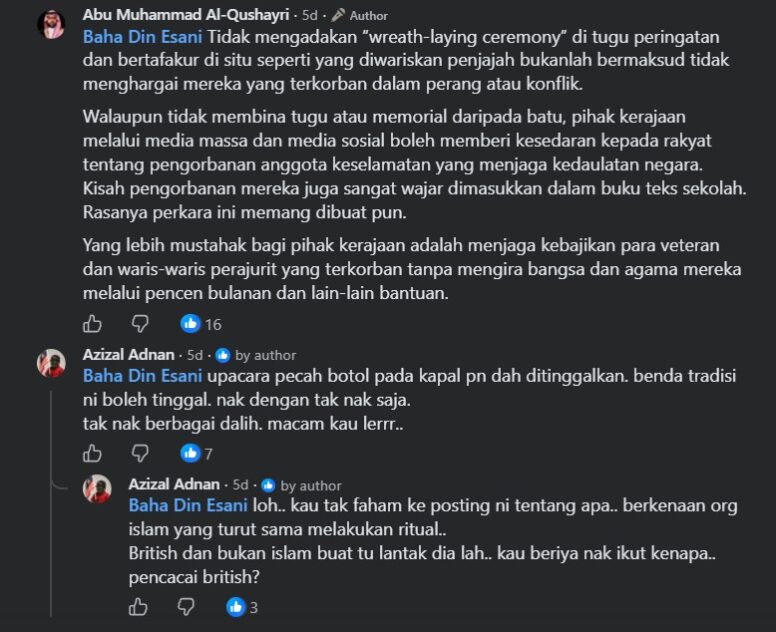
“This is regardless if the action is done (un)consciously or simply following the ceremony protocol,” penned one Abu Muhammad Al-Qushayri in a recent Facebook post.
Not all colonial traditions need to be continued, especially when they begin to challenge the boundaries of faith.
Therefore, Muslims must avoid participating in any form of event that contains elements that can affect faith.
For context, the said World Remembrance Day event commemorates soldiers, security personnel and civilians who have sacrificed their lives across various eras of conflict – including World War I, World War II, the Malayan Emergency, the Indonesia-Malaysia Confrontation and the Communist Uprising.
Observing the dos and don’ts
To substantiate his argument, the poster who claimed to have studied military science and tactics at the Ecole Speciale Militaire de Saint Cyr in France referred to decisions of the 19th (Oct 7, 1987) and 39th (Sept 21, 1995) National Council Fatwa Committee Discussions.
Additionally, official fatwa from state religious authorities (including that of the Penang State Fatwa Committee) have ruled that the following military-related practices are contrary to Islam and can lead to shirk when performed in front of monuments:
- Blowing the “Last Post”
- Meditating while bowing the head
- Laying flower garlands
- Reciting poems and singing
- Blowing the “Rouse”
- Giving salute
- Other rituals that are contrary to Islam include those containing elements of tasyabbuh (resembling other religious practices), hence can lead to shirk
“Therefore, Muslims must avoid participating in any form of events that contains elements that can affect faith,” reminded the poster while calling on his brethren to observe the line drawn while appreciating the services of fallen soldiers, security personnel and civilians in defending their motherland.
“On the contrary, the best respect in Islam is to pray for forgiveness and the well-being of those who are Muslims,” he asserted.
This is when one commenter somehow took a swipe at the poster in that “talking is easy but what if you are in the highest position (being confronted by bureaucracy/protocol)?”
“How should you show appreciation to the victims of different religions? Your country has various religions, various ethnic customs, various ancient opinions and modern opinions. How should you manage that?”
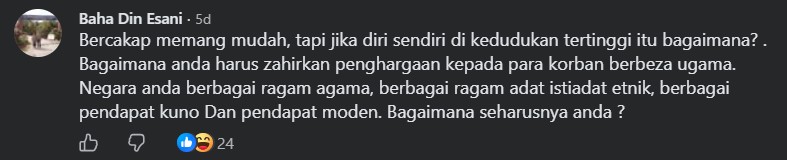
In answering the query, the poster contended that not holding a “wreath-laying ceremony” or observing a minute of silence as inherited from the colonialists isn’t tantamount to not appreciating those who died in war or conflict.
“Without having to build a monument or memorial made of stone, the government through the mass media and social media can raise awareness among the people about the sacrifices of security personnel who protect the sovereignty of the country,” he justified.
It’s very appropriate for stories of their sacrifices is to be included in school textbooks. I think such effort has already been made.
What’s more important is for the government to care for the welfare of veterans and heirs of fallen soldiers regardless of their race and religion through monthly pensions and other assistance. – Nov 23, 2026