
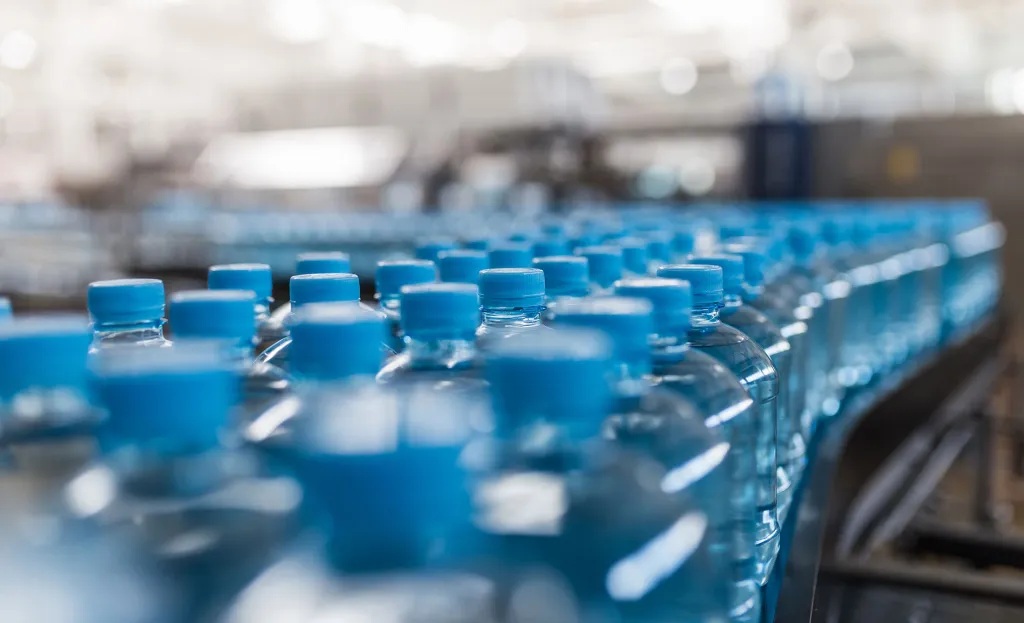
THE PLASTIC packaging industry in Malaysia sits at the intersection of industrial growth, consumer demand, and rising environmental scrutiny.
Long regarded as a backbone of manufacturing and logistics, the sector is now undergoing a transformation shaped by global shocks, technological shifts, and sustainability pressures.
Since February 2026, escalating tensions in the Middle East have pushed oil prices higher, driving resin costs up by roughly 80% or more.
Traditionally, plastic packaging manufacturers benefit from such increases, as their cost-plus pricing model allows them to pass on higher input costs while preserving, and often expanding, profit margins.
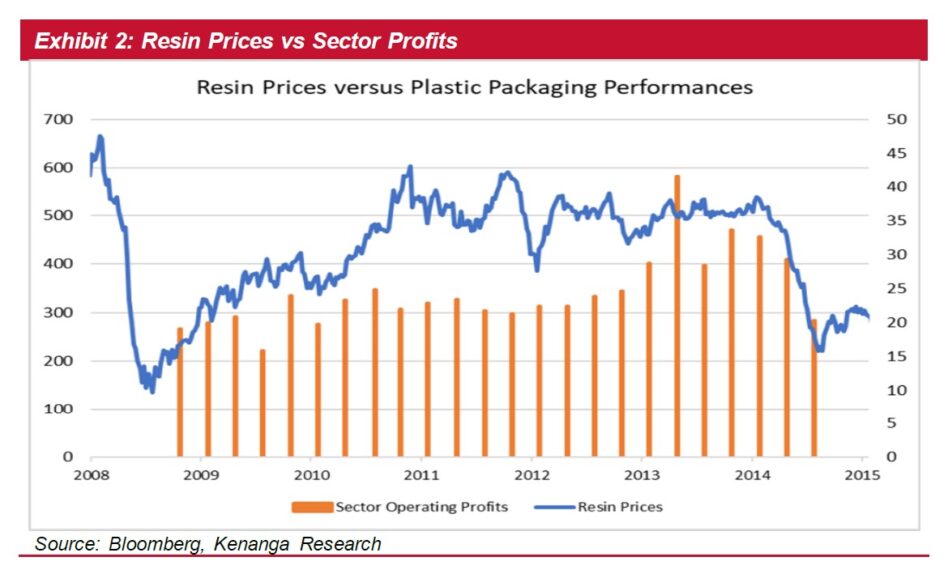
“The sector aggregate operating profits were higher by more than 40% on average in the year 2013-2014 compared to 2009-2010 where the resin prices were lower,” said Kenanga.
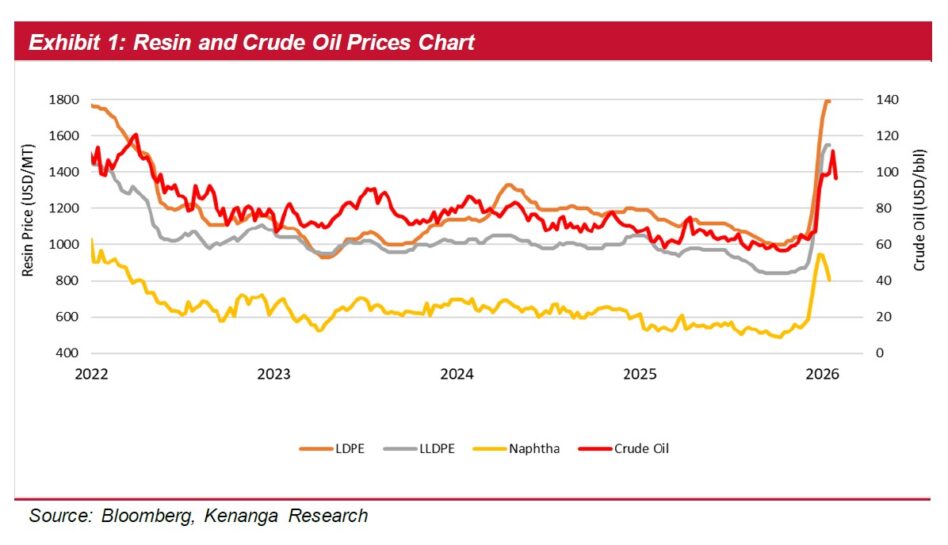
The earlier period was chosen due to the relatively stable exchange rate, unlike in more recent years where Kenanga noted that currency fluctuations had a greater impact, potentially skewing financial performance.
Resin prices were also elevated between 2011 and 2012. However, this did not translate into stronger operating profits for the sector, as the global economy was dampened by the European debt crisis at the time.
Kenanga is forecasting Brent oil to average at USD80 and USD74 per barrel for 2026-27, where oil prices are unlikely to fall to its pre-conflict level even if the Middle East conflicts de-escalate.
Following the war damage in certain oil production facilities in the Middle East compounded by the blockade surrounding it that constrain crude oil delivery, the market has experienced a shortage of resin and plastic packaging supplies.
This has created a demand spike on stockpiling among business owners which spurred increased customers’ orders since Mar 2026.
In addition to that, some of the plastic packaging producers also have started to see new customers approaching them for orders after facing “force majeure” from their existing suppliers.
On that note, the energy crisis afore-mentioned has offered a major turning point for the few established plastic packaging manufacturers who are financially strong in Malaysia.
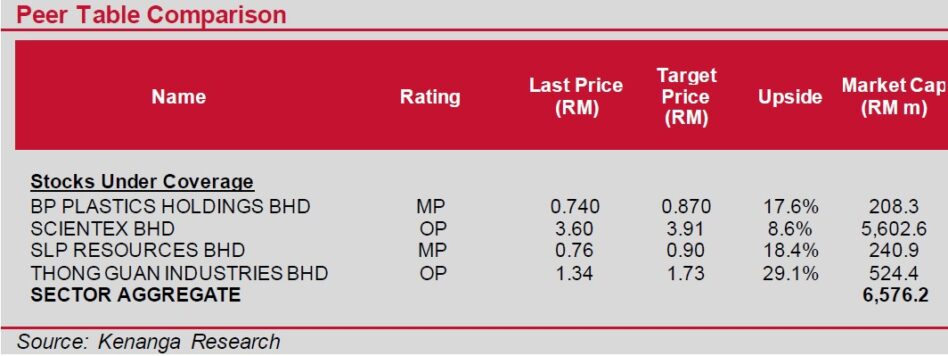
Many plastic packaging players are estimated to have between 2 months to 3 months of inventories, so the sector may likely enjoy higher profits for a quarter or two from:
(a) inventories bought at a cheaper level but sold at higher cost-plus prices currently.
(b) order volumes should also be good as customers rush to buy in the anticipation of further price increase.
“We gathered that the plastic packaging players under our coverage did not face major supply interruptions thanks to a well-diversified sources across US, Asia and Middle East, supported by long standing relationships and a healthy cash position,” said Kenanga.
As a result, Kenanga expects a turnaround in the sector in 2026. —Apr 21, 2026
Main image: Shutterstock