


MALAYSIA’S transition toward cleaner and more resilient energy systems is reaching a critical inflection point.
While neighbouring countries are advancing technologies that provide firm and stable low-carbon energy, Malaysia continues to rely heavily on conventional fuels for both power generation and industrial heat.
To remain competitive, we must move faster in scaling up biomass-based solutions that fully utilise our agricultural resources and support long-term energy security.
The Southeast Asia (SEA) region is already demonstrating what this shift looks like. Despite its limited land and natural resources, Singapore has adopted biomass and waste-to-energy as strategic components of its supply mix.
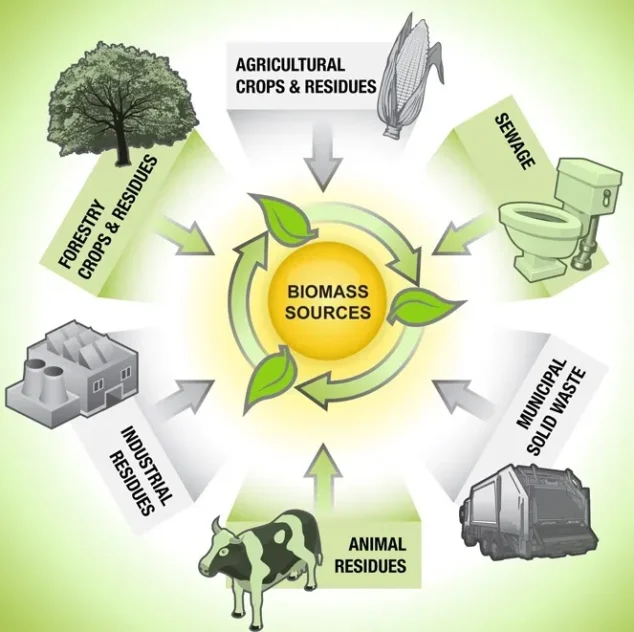
These technologies provide consistent baseload energy that complements intermittent sources such as solar. They also reduce dependence on imported fuels – an important consideration for a country that imports almost all of its energy needs.
Singapore’s approach illustrates a simple but powerful point: even resource-constrained economies see value in stable, lower-carbon energy sources that can operate around the clock.
Switching to biomass-driven systems
On the contrary, Malaysia has significantly more potential. With a large agricultural sector and millions of tonnes of residues generated annually – from empty fruit bunches and fibres to wood waste and rice husks – biomass is one of our most abundant and underutilised assets.
Harnessing this resource not only reduces waste and methane emissions but also directly enables industrial players lower their Scope 1 emissions which refer to emissions released from fuel combustion at their own facilities.
For many manufacturers, boilers and steam systems are among the largest contributors to these direct emissions.
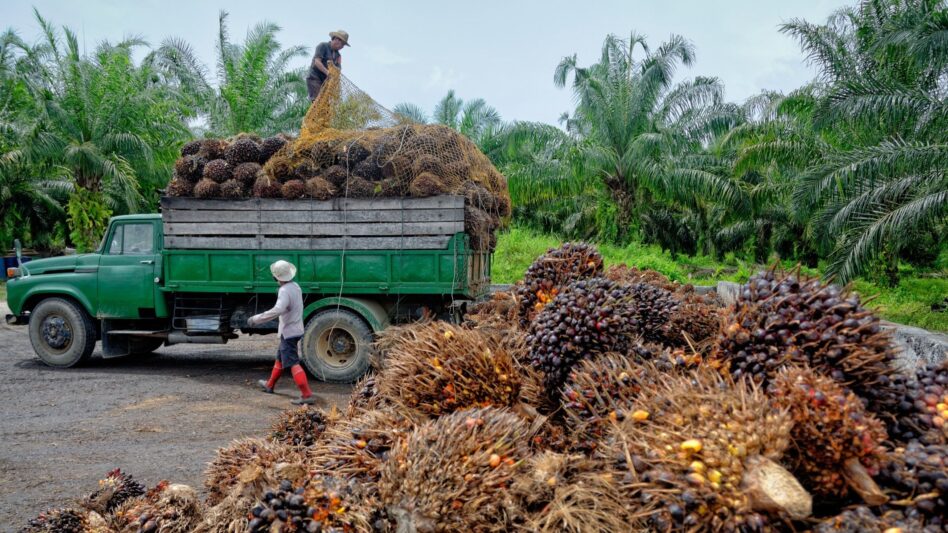
Replacing fossil-based heat with biomass-driven systems offers a practical, immediately deployable pathway to reduce Scope 1 footprints without altering production processes. Factories can continue operating as they do today but with significantly cleaner energy at the point of use.
There is already visible momentum in Malaysia’s broader energy landscape. The country’s biomass power capacity is projected to grow from 579.5MW (megawatt) in 2024 to 826.5MW by 2029 – a 7.4% annual increase.
This is clear evidence that policymakers and project developers recognise the strategic value of this resource. However, this progress must be matched with deeper industrial adoption if Malaysia wants to remain regionally competitive, especially as neighbouring countries expand their own capabilities.
Strategic industrial opportunity
The domestic engineering sector has demonstrated that Malaysia possesses the technical capability to scale these systems.
Local companies such as Wasco Greenergy Bhd form part of this ecosystem by delivering modern steam and biomass-based energy systems to industrial users.
Recent projects in Malaysia and Indonesia involve system capacities as high as 80 tonnes per hour, underscoring the fact that manufacturers are increasingly seeking reliable and lower-carbon solutions for their operations.
Such adoption is driven by both economic necessity and the need to meet regulatory expectations from international buyers and investors.
Malaysia would benefit greatly from treating this sector as a strategic industrial opportunity. The economic value extends far beyond emissions reductions.
Biomass-based systems generate skilled jobs in rural areas, reduce waste-handling costs, support agricultural supply chains and enhance the competitiveness of export-oriented manufacturers through cleaner production.
They also improve grid resilience by providing stable energy to complement the rapid expansion of solar power.
Move fast to grab opportunities
As the country increases its reliance on variable renewable sources, having firm and dispatchable alternatives becomes essential to manage intermittency and maintain system stability.
Beyond Southeast Asia, global evidence shows that biomass-based systems are not experimental; they are already integral to national energy strategies.
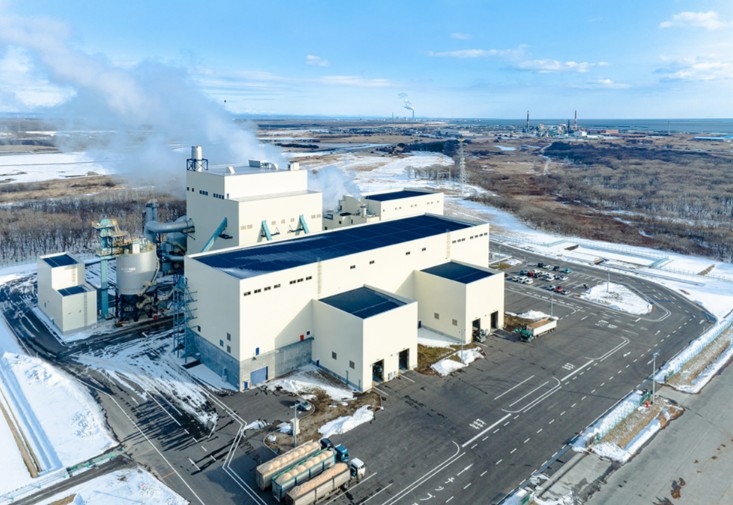
Japan, for instance, has built a robust market for palm kernel shells, importing millions of tonnes annually to fuel dedicated baseload plants under its renewable-energy framework.
In Denmark, agricultural residues such as straw have powered district-heating and combined-heat-and-power networks for decades, thus demonstrating that farm-based biomass can operate at an industrial scale with high reliability.
These examples underscore a simple point: countries with far fewer natural resources are leveraging biomass as a strategic pillar of energy resilience.
Malaysia with significantly richer feedstock availability should be even better positioned but we must move faster to capture this advantage.
The global policy environment is shifting rapidly. Regulations such as the European Union’s (EU) rules on deforestation-linked goods and emerging carbon-intensity requirements mean that Malaysian exporters must demonstrate credible sustainability improvements across their operations.
Risk of losing out
Lowering Scope 1 emissions through cleaner, more stable energy systems help ensure that Malaysian products continue to access key international markets without facing reputational or regulatory penalties.
Other countries are moving with greater urgency. Thailand, Vietnam and Indonesia are actively investing in biomass-based generation and thermal systems to diversify their energy mix and support industrialisation.
If Malaysia does not accelerate its own adoption, we risk losing competitiveness in sectors that depend heavily on cost-stable and lower-carbon energy.
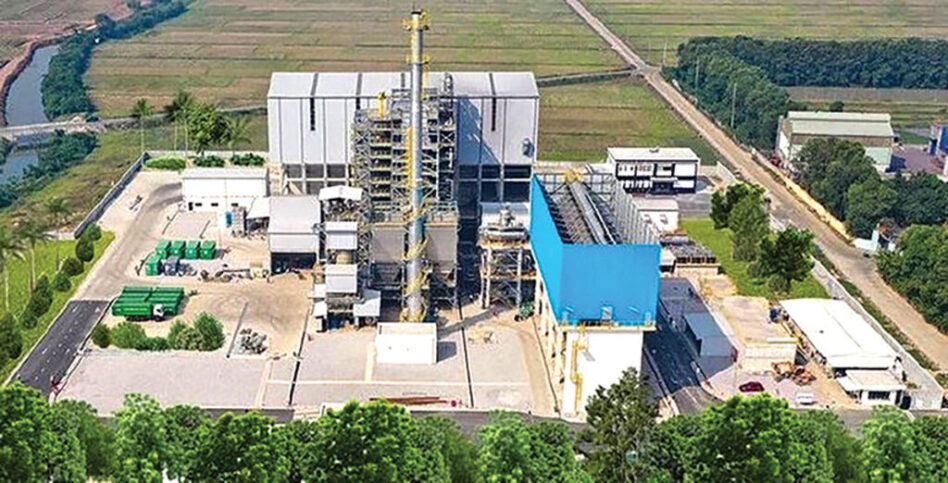
What Malaysia needs now is a clearer policy direction. The would enable the country to benefit from frameworks that encourage investment, provide long-term feedstock assurance and support the development of bankable project structures.
Ensuring predictable permitting processes and recognising the strategic role of biomass within national planning would also help unlock private capital.
Financing mechanisms that support long-lived infrastructure, particularly for industrial users, could significantly accelerate deployment.
Malaysia is uniquely positioned to lead in this space. We have the resources, the engineering talent and a strong manufacturing base that depends on stable energy.
But without coordinated momentum, our advantages may remain under-utilised. Scaling up biomass-based energy systems is more than an environmental choice; it is an industrial strategy that strengthens national resilience, builds new economic value and protects our long-term competitiveness.
The time to act decisively is now. Malaysia can either drive this transition or be overtaken by regional peers that recognise its importance.
Biomass is not merely an alternative energy source. It is a strategic asset that we are particularly well equipped to develop. If we choose to harness it, Malaysia can secure a stronger, cleaner and more competitive future. – Dec 4, 2025
FLK is a corporate practitioner and commentator who writes about economic policy, governance and Malaysia’s long-term competitiveness. His views are shaped by years of experience in engineering, industrial operations and regional business management.
The views expressed are solely of the author and do not necessarily reflect those of Focus Malaysia.
Main image credit: Eco Sustainable Solutions Ltd