


THE global geopolitical landscape is in flux, with shifting power dynamics, emerging global challenges, and evolving national interests.
For Malaysia, as a key Southeast Asian nation, the strategic choices it makes in response to the United States’ (US) grand strategy will have far-reaching consequences for its future in the region.
Stephen Walt, the Robert and Renée Belfer Professor of International Affairs at the Harvard Kennedy School, presents a realist framework for US foreign policy, arguing for restraint, strategic alliances, and a focus on economic and diplomatic power.
In this analysis, we will examine how Malaysia should navigate US grand strategy based on Walt’s insights, balancing its own national interests while avoiding unnecessary entanglements in global power struggles.
The case for restraint: Managing US overreach
A central argument in Walt’s realist approach is the idea of strategic restraint. According to Walt, the US has consistently overextended itself, particularly in the Middle East, with interventions in Iraq and Afghanistan, which have led to long-lasting military entanglements without clear outcomes.
Walt argues that these interventions, often driven by idealistic goals or misplaced ambitions, have drained resources, strained the US military, and created instability rather than securing long-term peace.

For Malaysia, this framework offers valuable lessons. As a nation situated in the heart of Southeast Asia, Malaysia has historically maintained a policy of non-alignment, emphasising diplomatic engagement and economic cooperation without committing to military interventions.
However, as global power dynamics shift and the US navigates a policy of selective engagement, Malaysia must ensure that it avoids becoming a passive player in broader geopolitical struggles.
In particular, Malaysia should adopt Walt’s idea of restraint and prioritise national interests over the desire to align with any particular power, whether that’s the US, China, or regional powers.
Malaysia should focus on strengthening its own regional relationships and cultivating economic ties with both the US and China, without being drawn into the rivalry between these two superpowers.
While the US remains an important strategic partner for Malaysia particularly in trade, technology, and defence, Malaysia should not overcommit itself to US military or strategic aims that do not align with its own national interests.
Instead, Malaysia should take a pragmatic approach, ensuring that its involvement in global issues is aligned with its core objectives: economic growth, regional stability, and the protection of its sovereignty.
Leveraging soft power and economic resilience
Walt further emphasises the importance of economic strength as a cornerstone of US national security. In a realist framework, economic power not only enables countries to secure their national interests but also acts as a tool of influence and soft power.
For Malaysia, this aspect of Walt’s strategy is particularly relevant. As a rapidly developing economy in Southeast Asia, Malaysia’s economic policies must prioritise self-reliance, innovation, and global competitiveness.
A realist grand strategy for Malaysia would involve strengthening its domestic economy to reduce dependency on external powers. This could include investing in technological innovation, enhancing trade relationships with key partners, and diversifying Malaysia’s sources of foreign investment.
The country should continue to work with the US and China, but it should also look beyond these two powers, cultivating relationships with other rising economies in Asia, Europe, and the Middle East.
Moreover, Malaysia’s economic strategy should include an emphasis on developing its human capital. By investing in education, fostering innovation, and promoting digital transformation, Malaysia can ensure that it remains competitive in the global economy.
A strong economic base would not only support Malaysia’s national security but also provide it with the leverage to influence global trade policies and investment flows.
Diplomacy and soft power
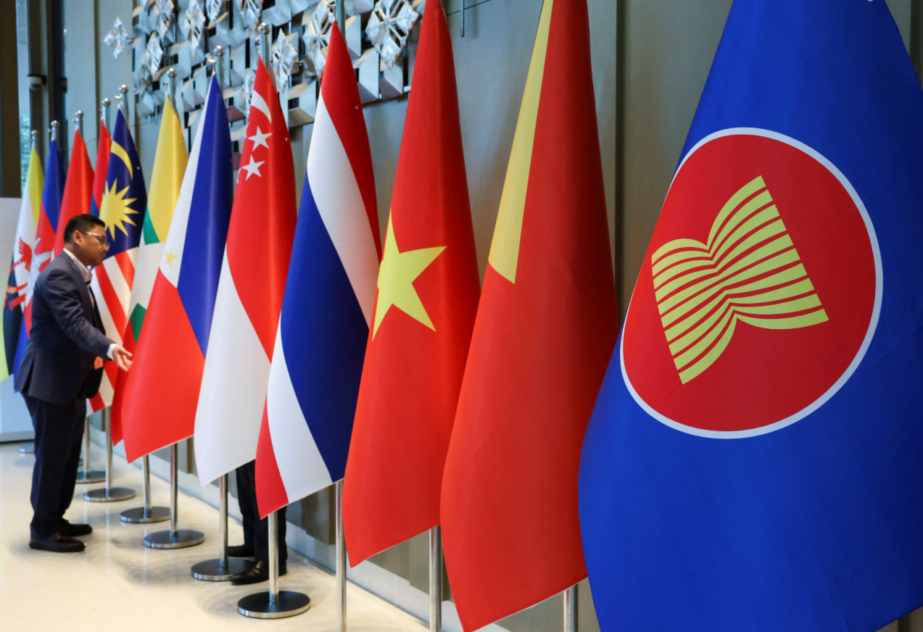
Finally, Walt advocates for the use of diplomacy and soft power to shape global outcomes without resorting to military intervention.
In Malaysia’s context, this means continuing to play a proactive role in multilateral institutions like the United Nations, ASEAN, and the World Trade Organisation.
Malaysia should also enhance its role as a mediator in regional conflicts and a champion of global issues like climate change, non-proliferation, and human rights.
By building a reputation as a neutral and constructive diplomatic actor, Malaysia can attract international support for its policies and amplify its influence in global discussions.
This would also help Malaysia navigate the complex diplomatic terrain between the US and China, allowing it to maintain positive relations with both while asserting its sovereignty in decision-making processes.
Moreover, Malaysia could further enhance its soft power by promoting its culture, educational institutions, and technological innovations on the global stage. By leveraging these non-coercive forms of influence, Malaysia can build a reputation as a respected leader in the region and beyond.
In conclusion, Malaysia’s response to the US grand strategy should be guided by a pragmatic, realist approach that emphasises strategic restraint, rational alliances, and economic resilience.
By balancing its relationships with both the US and China, promoting economic independence, and using diplomacy to enhance its global standing, Malaysia can navigate the complexities of the current geopolitical environment and emerge as a key player in the global order. ‒ Sept 24, 2025
R Paneir Selvam is the principal consultant of Arunachala Research & Consultancy Sdn Bhd, a think tank specialising in strategic national and geopolitical matters.
The views expressed are solely of the author and do not necessarily reflect those of Focus Malaysia.
Main image: NST