
THE primary concerns of the Chinese and Indians in the country is the eventual eradication of racial and religious discrimination of them in a political system that reinforces racial and religious divisions in the country.
Any political party or coalition having national ambitions must confront and resolve the denial of fundamental rights of the citizens.
Whether it is the unfair public universities admission or employment in civil service or in terms of equal participation of citizens in the business and economic affairs, racial and religious discrimination rears its ugly head.
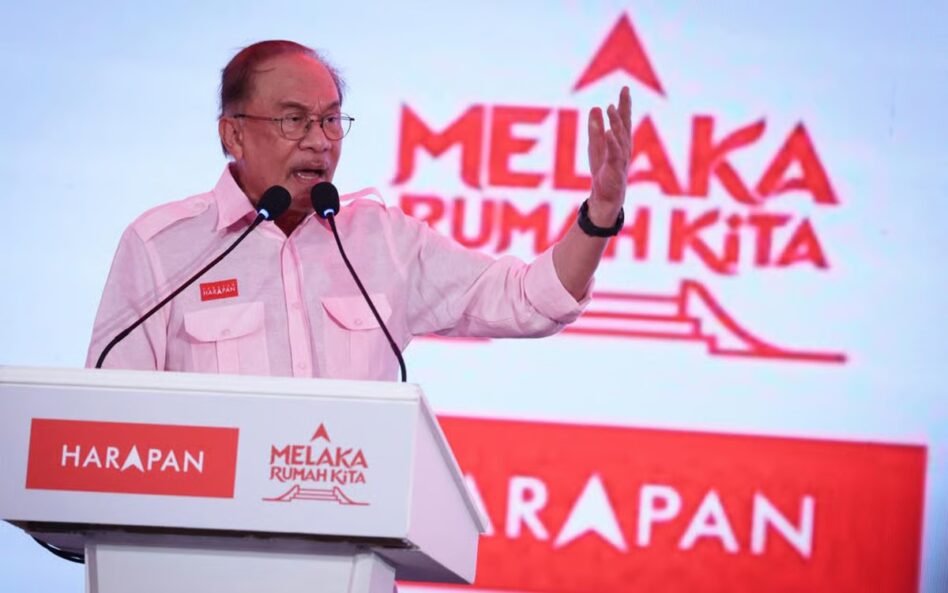
Successive governments in the country including the present Pakatan Harapan (PH)-led ruling coalition has sought to reinforce ethnic and religious divisions in the country.
These ethnic and religious divisions seek to reinforce the belief that the Malays have special entitlement in the country.
PAS’ Islamic model
While the Chinese and Indians are favourable to the policy of affirmative action to assist the Malays – especially those from the lower socio-economic category – they are definitely against the political system that seeks to hide racism and religious extremism in the name of affirmative action principle.
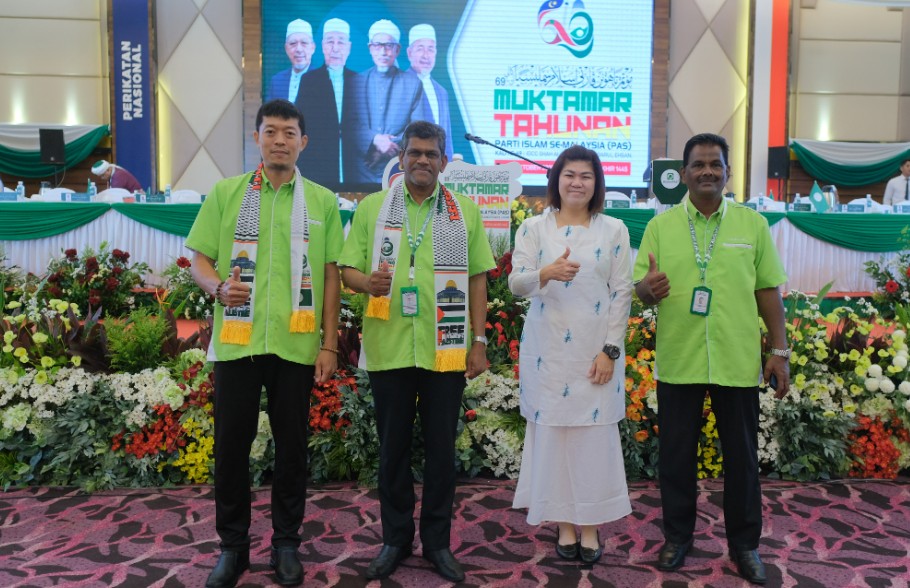
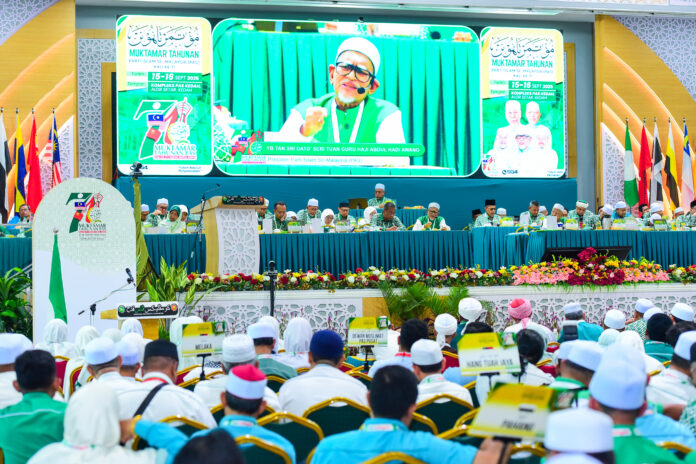
The opposition Perikatan Nasional (PN) coalition with PAS in command might offer a different political model to that of the present government.
PAS’ emphasis on Islam is different to the ethnic dominance model of the Madani government.
Unfortunately, given the fact that the vast majority of the Malays profess to the Islamic faith, the religious model of PAS accords importance to the same community as the present government.
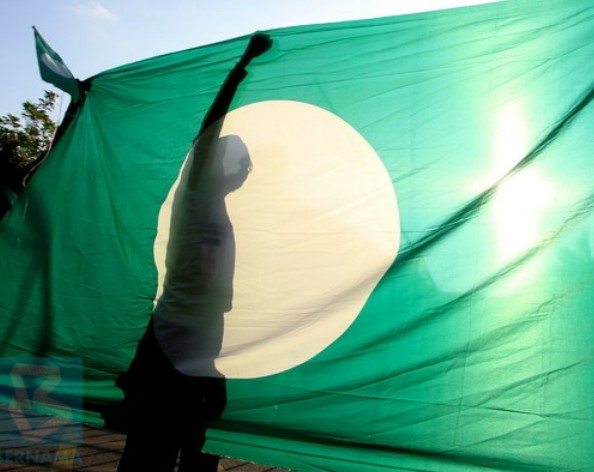
There are serious concerns among the Chinese and Indians that if PAS comes to national power, ethnic hegemony will be replaced by religious hegemony.
The problem with both ethnic and religious hegemonies is the fact that there is little class or socio-economic differentiation.
While ethnic and religious hegemonies might serve to further accentuate the differences between other communities, it fails to explain the internal dynamics of class differentiation and conflict.
Lingering doubts
PAS’ Islamic ideology has a greater appeal among the Malays in comparison to the ethnic ideology perpetrated by the Madani government.
PAS may aspire for national power but it has yet to seriously address the serious concerns of non-Malays in the country. Below are some lingering concerns:
- Will PAS’ Islamic ideology be any different to the ethnic ideology of the Madani government both in theory and practice?
- Will PAS’ Islamic ideology be a liberating force or end up as hegemonic force catering for one segment of the population and not others?
- If PAS comes to power, will it mean that the non-Malays will be exchanging one form of domination or discrimination with another?
Like any other national party, PAS has the right to have national aspirations but getting the support of the non-Malays means among others that the party must offer something more substantive to them.
This is especially on the question of whether its brand of Islamic ideology will be any different to the non-Malays in terms of restoring the fundamental freedom from discriminatory practices. – Sept 23, 2025
Former DAP stalwart and Penang deputy chief minister II Prof Ramasamy Palanisamy is chairman of the United Rights of Malaysian Party (Urimai) interim council.
The views expressed are solely of the author and do not necessarily reflect those of Focus Malaysia.