
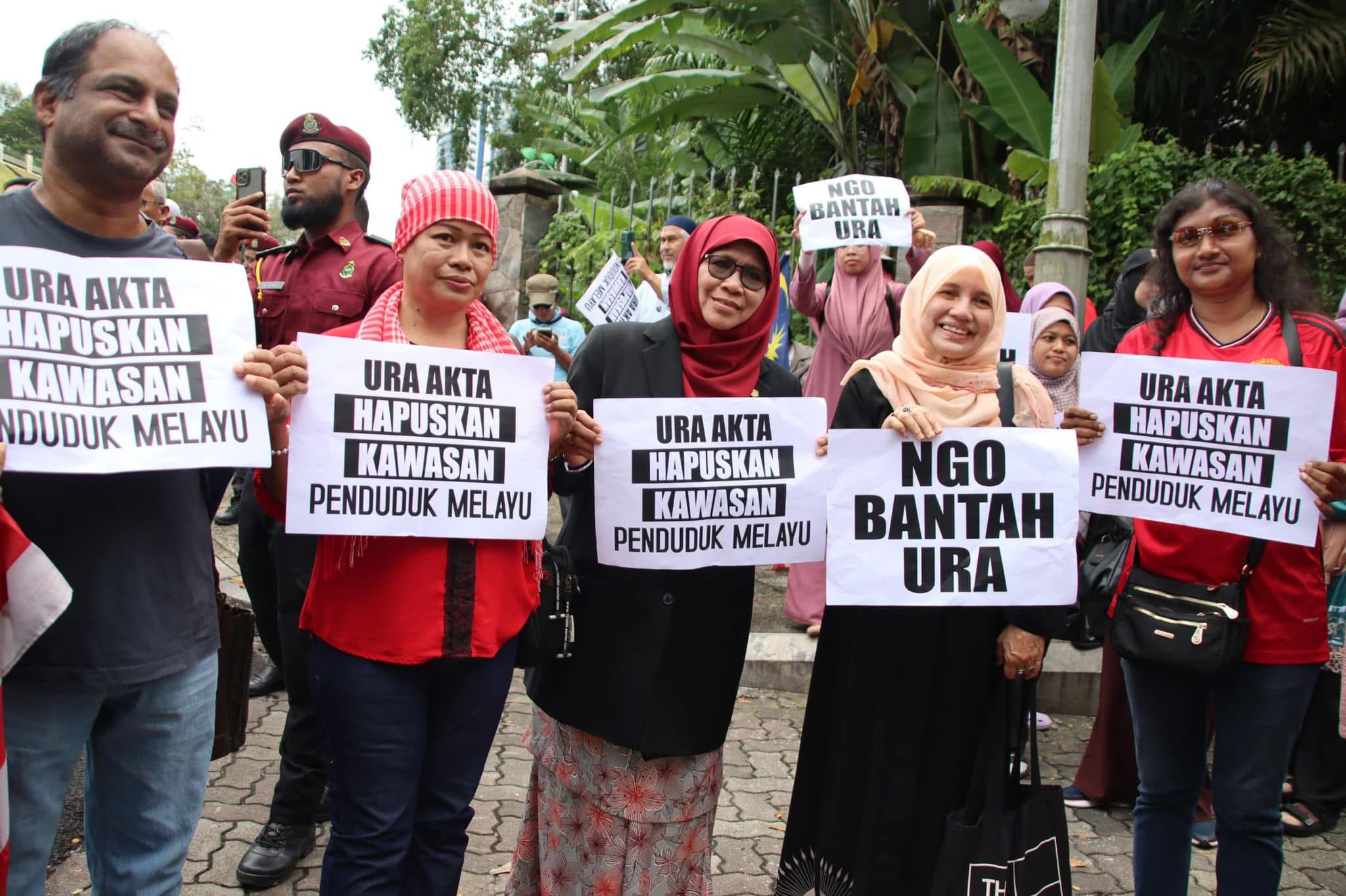
The Urban Renewal Act (URA) – slated for its second reading in Parliament – has attracted more controversy than perhaps any other proposed legislation in recent years.
Critics argue that it disproportionately benefits the rich and powerful, earning it the unflattering label of the “Developers’ Enrichment Act”.
At the heart of the debate is not the idea of urban development, renewal or regeneration itself but rather the problematic mechanism for obtaining consent from property owners.
The bill proposes thresholds of 80% consent for buildings under 30 years old, 75% for buildings over 30 year and 51% for abandoned buildings.
These thresholds are deeply flawed. The 30-year benchmark does not reflect the actual lifespan of urban properties, many of which remain functional and liveable for 70 years or more.
Families who have invested in their homes should not be forced into re-development simply because of an arbitrary cut-off. Instead, properties should be allowed to serve their natural lifespan.
Furthermore, the consent thresholds fail to address the stark imbalance of power between developers and property owners.
Backed by state and federal authorities as well as their own legal teams, developers can easily overwhelm fragmented groups of owners who often lack the financial means to hire lawyers or consultants.
This creates a highly uneven playing field in which owners are pressured into decisions against their best interests.
If passed, the URA would significantly empower the Housing and Local Government Minister to dictate the nature and direction of re-development, thus further centralising authority in a way that raises concerns about accountability and fairness.
Despite the polished rhetoric surrounding the bill, the reality is clear: the URA risks becoming a one-sided piece of legislation that prioritises capitalist development over people’s rights.
The potential displacement of lower-income property owners would have far-reaching consequences – from the loss of heritage buildings and cultural identity to the disruption of ethnic balance in urban communities.
In truth, the URA stands to enrich a small minority while dispossessing the vast majority. For this reason, no right-thinking Malaysian should support it.
If implemented, it may well be remembered as one of the most regressive laws in recent history – and one that any future opposition government would be compelled to abolish. – Aug 27, 2025
Former DAP stalwart and Penang chief minister II Prof Ramasamy Palanisamy is chairman of the United Rights of Malaysian Party (Urimai) interim council.
The views expressed are solely of the author and do not necessarily reflect those of Focus Malaysia