
THE government is considering whether registered refugees in Malaysia could help fill labour shortages.
Recently, Home Minister Datuk Seri Saifuddin Nasution Ismail suggested that existing registration data on about 225,000 refugees could be reviewed to identify potential workers.
Saifuddin said the authorities would first need to determine how many were of working age and had undergone screening by the United Nations High Commissioner for Refugees before assessing their suitability for jobs in dirty, dangerous and difficult (3D) sectors.
He emphasised that the proposal was still being studied and had yet to be put into practice.
“If we could compile data on these 225,000 people and identify those within the productive age range, such as 20, 25, or 30, who have been screened, we would have the data,” he said in the Dewan Rakyat.
Saifuddin said the government was exploring ways to meet local labour requirements without relying solely on overseas recruitment.
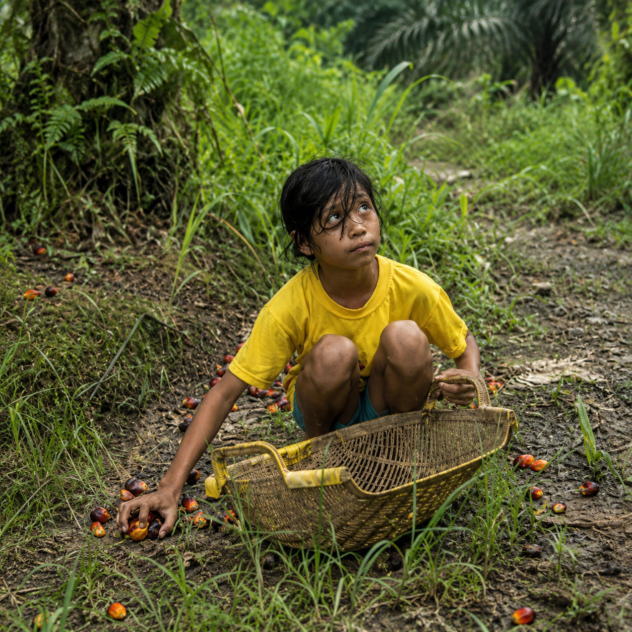
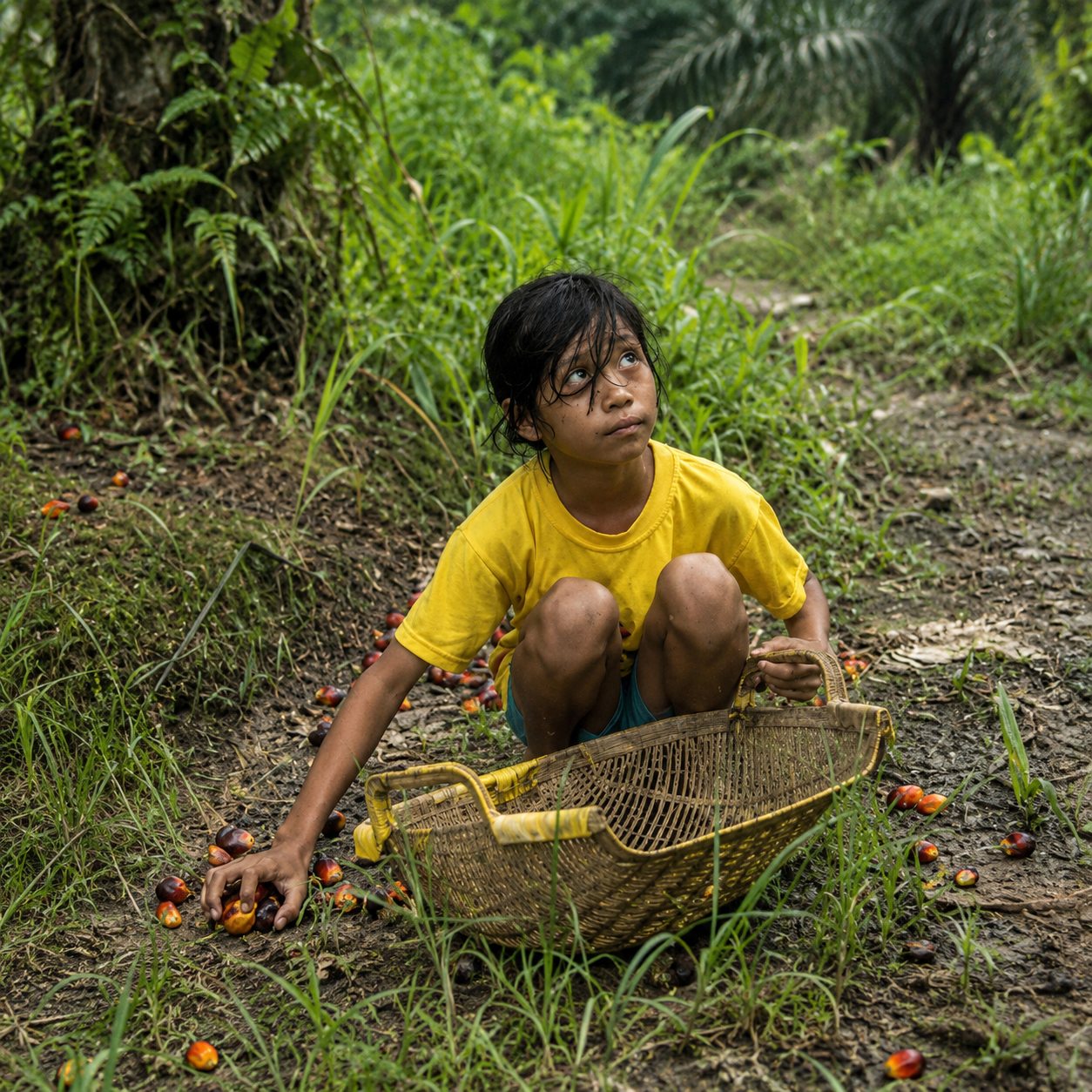
He illustrated the approach with the example of an oil palm plantation in Pasir Gudang that needed 100 workers.
Instead of recruiting labourers from Bangladesh and bearing the related costs, the government could check its existing refugee database to see whether suitable candidates were already in the country.
The proposal comes amid concerns over the limited interest among Malaysians in taking up 3D jobs, despite the availability of vacancies.
In August, Human Resources Minister Datuk Seri R Ramanan disclosed that just 352 Malaysians had applied for such positions through the MyFutureJobs website, even though thousands of vacancies were available.
Ramanan said local candidates would be prioritised, but employers could turn to foreign workers, refugees or other groups if Malaysians were unwilling to fill the positions.
Saifuddin said foreign workers remained important to five major economic sectors, namely manufacturing, plantations, agriculture, construction and services.
He cautioned that labour shortages could disrupt economic activities, including oil palm harvesting and bricklaying.
Under the 13th Malaysia Plan, the government has set a cap limiting foreign workers to 10% of the country’s workforce across these five sectors.
Based on an estimated workforce of 17 mil, the ceiling translates to a maximum of 1.7 mil foreign workers over the plan period.—Oct 14, 2026
Main image: Jason Motlagh