
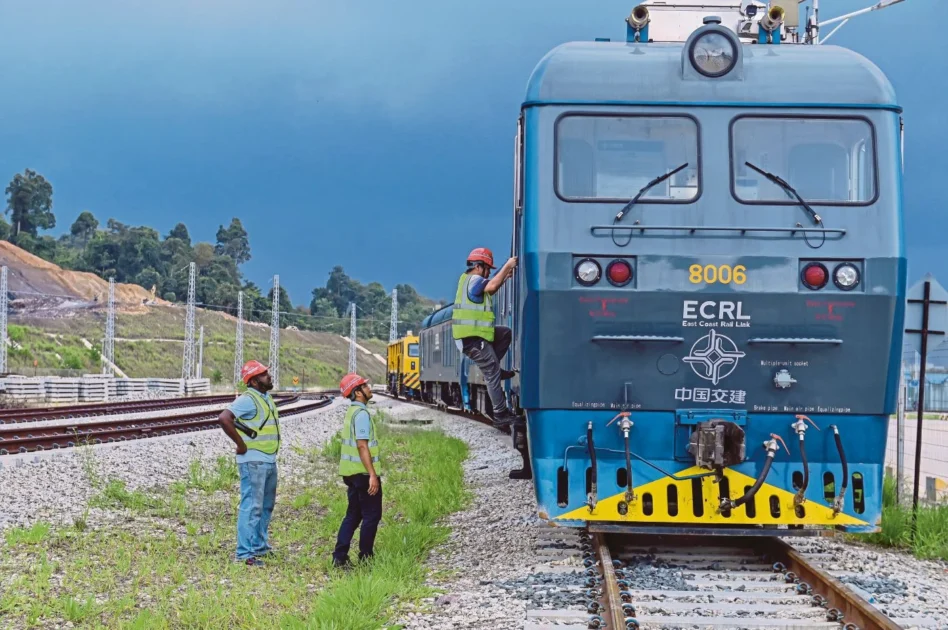
AS the East Coast Rail Link (ECRL) nears completion, attention is naturally focused on the faster journeys it promises. Soon, passengers and freight will be able to travel between Kota Bharu and Port Klang in a fraction of the time currently required by road.
The project has rightly been hailed as a game changer for connectivity and economic development. But infrastructure alone does not guarantee prosperity. A more pressing question is whether Kelantan, Terengganu and Pahang are ready to seize the opportunities the ECRL will create.
The honest answer is: not yet.
For decades, the East Coast has developed at a different pace from the Klang Valley. While this has limited economic opportunities, it has also sheltered many local industries from intense competition.
The ECRL will change that. It will bring new markets, new investments and new customers, but also greater competition for local businesses. Opportunity and disruption will arrive together.
The next 18 months will therefore be critical.
The first priority should be improving last-mile connectivity. New railway stations will have limited value if passengers and businesses cannot reach them easily.
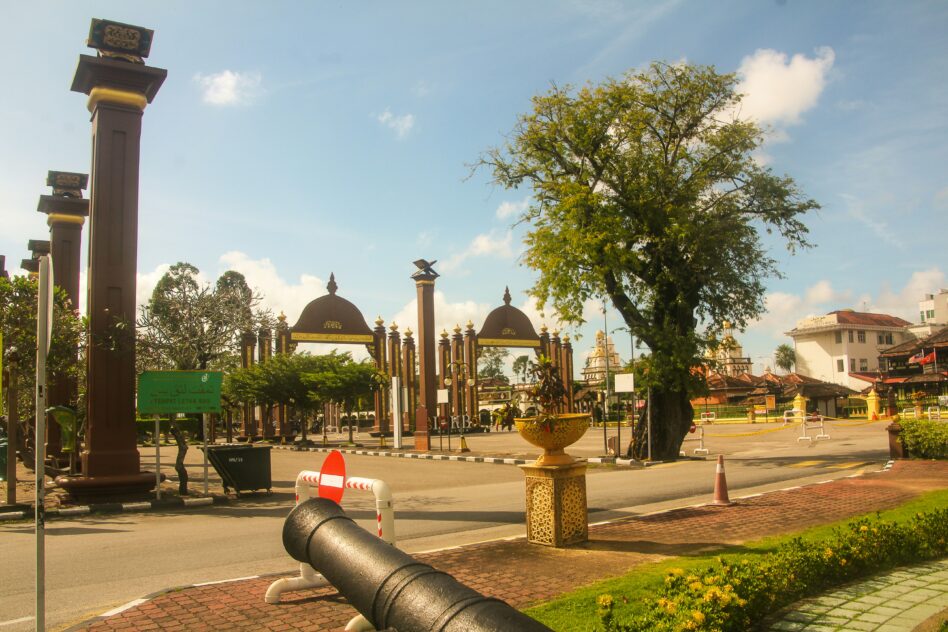
State governments should work with local authorities to expand feeder bus services, designate affordable ride-hailing pick-up points and improve road access to stations. Secure bicycle parking and pedestrian-friendly infrastructure should also be considered to encourage seamless travel.
Equally important is developing logistics infrastructure.
The ECRL’s greatest economic potential lies not in passenger travel but in freight. Kelantan’s fisheries, Terengganu’s seafood products and Pahang’s agricultural produce can reach larger markets much more efficiently if supported by proper cold-chain logistics.
State governments should therefore prioritise cold storage facilities, collection centres and agro-logistics hubs near key stations.
Supporting industries such as food processing, packaging and distribution should also be encouraged to maximise the value of local produce before it reaches the market.
Planning around ECRL stations also requires restraint.
Large-scale commercial developments may appear attractive, but overdevelopment risks eroding the unique character that attracts visitors to the East Coast in the first place.
Instead of replicating urban shopping districts, states should focus on preserving heritage towns, traditional markets, ecotourism attractions and community-based tourism experiences that distinguish the region from other destinations.
Human capital must also be strengthened before the railway begins operations.
Improved connectivity will expose local businesses to greater competition, but it will also create new opportunities for those prepared to adapt.
State governments should work with GiatMARA, polytechnics and industry partners to equip entrepreneurs and small businesses with skills in digital marketing, e-commerce, logistics management and halal certification.
Language training, including basic Mandarin, could also help tourism operators better serve international visitors.
Finally, greater coordination between the three East Coast states is essential.
The ECRL should not become another project shaped by changing political priorities. Kelantan, Terengganu and Pahang should establish a permanent inter-state rail corridor committee involving government agencies, business chambers and local community representatives to coordinate freight policies, feeder transport, investment planning and regional development.
A unified approach will strengthen the East Coast’s ability to maximise the benefits of the railway while ensuring that local communities are not left behind.
The ECRL represents one of Malaysia’s most significant transport investments in decades. It has the potential to improve connectivity, strengthen supply chains and open new markets for businesses across the East Coast.
But rail infrastructure alone cannot transform an economy.
Success will depend on whether state governments use the time before operations begin to build the supporting ecosystems that allow businesses and communities to benefit from improved connectivity.
The tracks are almost complete. The real work is only just beginning. ‒ July 8, 2026
The author is affiliated with the Tan Sri Omar Centre for STI Policy Studies at UCSI University and is an Adjunct Professor at the Ungku Aziz Centre for Development Studies, Universiti Malaya.
The views expressed are solely of the author and do not necessarily reflect those of Focus Malaysia.
Main image: Pexels/Pok Rie