

Letter to Editor
THE powers of local authorities in Malaysia have drawn renewed scrutiny, particularly following the tabling of the Urban Renewal Bill (URA) 2025, recent construction mishaps in Kuala Lumpur and concerns pertaining to over-development.
These issues directly affect urban communities yet the absence of local elections raises questions about accountability in local governance.
Under the Town and Country Planning Act 1976 (TCPA), local councils issue Development Orders (DOs) and planning permissions.
While these tools are essential for structured growth, the Federal Court in the Rimba Kiara case re-affirmed that councils must strictly comply with structure and local plans which are drafted through public consultation.
Despite this, zoning anomalies remain – such as commercial towers approved beside schools or residential areas – with limited avenues for affected communities to challenge such decisions.
Public participation – a statutory feature of the Federal Territories (Planning) Act 1980 – is weakened by outdated publicity methods. Draft local plans are often physically displayed, limiting accessibility.
Digital publication, wider dissemination in public spaces and transparent disclosure of assessments (eg traffic and social impact) are urgently needed.
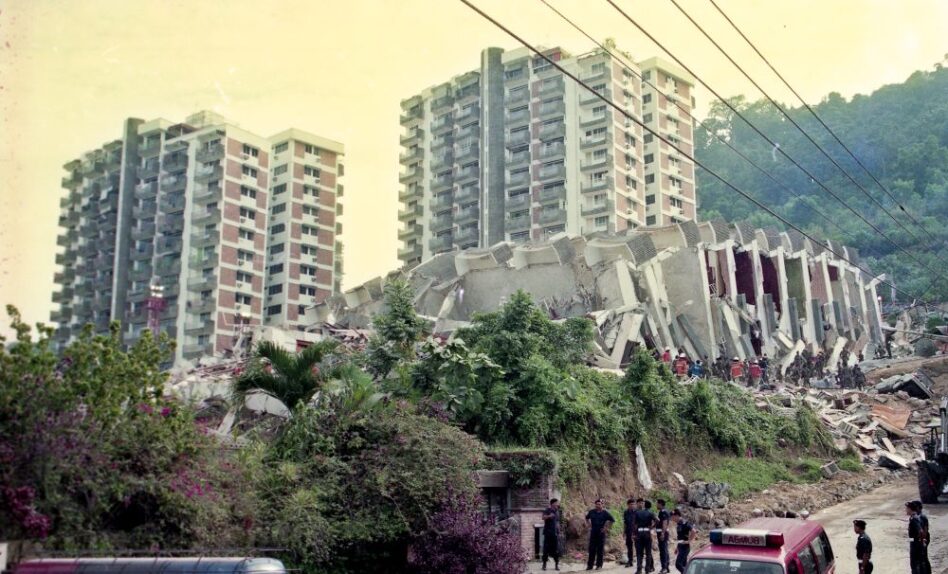
Once a DO is issued, residents face steep barriers in seeking remedies. Injunctions are costly and risky while protective laws such as the Public Authorities Protection Act 1948 and Government Proceedings Act 1956 shield councils from liability as seen in the Highland Towers tragedy.
This undermines public confidence in local governance. The Urban Renewal Bill 2025 – if passed – will expand council powers further without addressing accountability gaps.
Given the oversupply of office and residential space, unchecked development risks deepening urban congestion and public distrust.
Local authorities must strike a balance between development and community interests. Town planning should safeguard the well-being of residents, not merely serve commercial imperatives.
Greater transparency, meaningful public participation and accountability mechanisms are essential to restore trust and ensure sustainable urban growth. – Sept 12, 2025
Datuk C. Vignesh Kumar
Kuala Lumpur
A former deputy public prosecutor at the Attorney-General’s Chambers serving in the esteemed Commercial Crimes Unit, Datuk C. Vignesh Kumar now leads his own firm as the Principal of Messrs. Vignesh Kumar and Associates.
The views expressed are solely of the author and do not necessarily reflect those of Focus Malaysia.
Main image credit: Utusan Malaysia