
THE proposed Urban Renewal Act (URA) must clarify its scope and implementation mechanisms otherwise even the most well-presented proposal risks becoming a mere political gesture, said an MCA leader.
According to party deputy president Datuk Dr Mah Hang Soon, it is expedient on Housing and Local Government Minister Nga Kor Ming to address several key questions that have arisen, particularly as the Bill’s tabling has been postponed.
“The real concern is not merely about the delay, but about the fundamental approach and content of the legislation,” Dr Mah stated.
“An URA with such far-reaching implications must clarify its scope and implementation mechanisms. Otherwise, even the most well-presented proposal risks becoming little more than an insubstantial political gesture.”
Following the convention on urban redevelopment at the World Trade Centre Kuala Lumpur on Friday (Oct 3), three major resolutions were adopted, including one calling for the government to postpone tabling the URA Bill pending a comprehensive redraft to incorporate the views of all stakeholders.
Nga said his ministry is open to constructive suggestions on the proposed Bill, adding that they are prepared and willing to hear from all parties’ views that are “constructive and not destructive”.
The minister had further emphasised that sound recommendations will be considered for the benefit of all, particularly to safeguard the rights and interests of original homeowners impacted by urban renewal initiatives.
On this matter, Dr Mah urged Nga to respond to the following questions which reflect not only widespread public interest but also highlight areas where further policy clarity is needed:
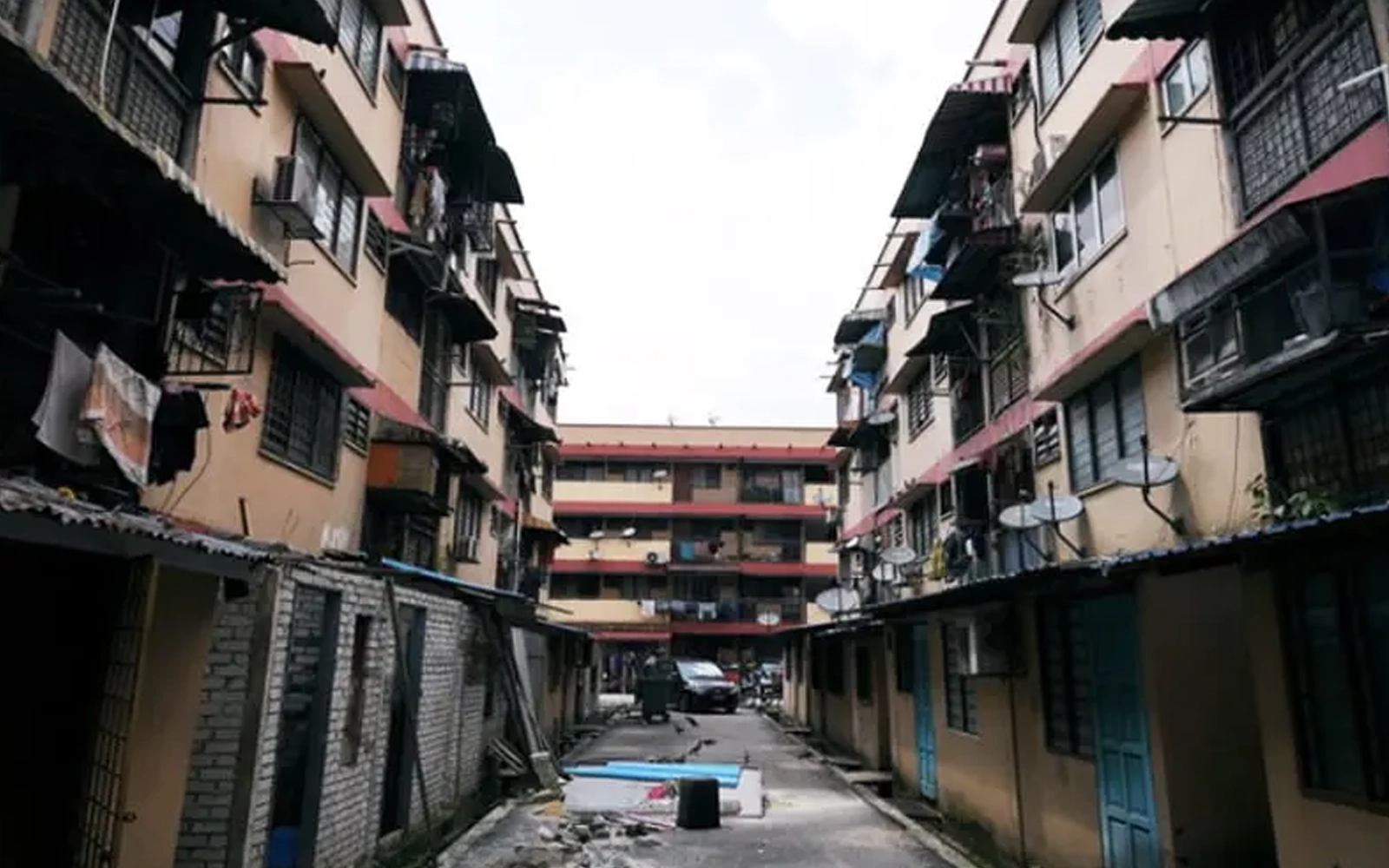
- Will the URA apply only to the refurbishment of ageing public housing blocks? If its scope is limited to public residential areas, it may be perceived as a “housing improvement regulation”rather than a comprehensive “urban renewal” Should the Bill encompass commercial, educational, and public infrastructure renewal, how many people would be affected?
- Can the URA be used to renew spaces and land beyond public housingsuch as traditional villages, national and private schools, or even higher education institutions? These sites also hold significant public value and social memory. If they are included in urban regeneration plans, how will the required funding be allocated?
- Who will define the standards for what constitutes “renewal”? Will the criteria be based on the age of buildings, structural safety, or economic viability? If the definition of “dilapidation”is led primarily by developers, there may be concerns about conflicts of interest, where “renewal” could be used as a pretext for land redevelopment.
- What is the threshold for resident and landowner consent? Many countries have struggled to balance compulsory acquisition and resident agreement. Has a clear and fair percentage been established in the Malaysian context? If residents’views are overlooked, urban renewal could unfortunately become a source of social tension.
- How will historical buildings and cultural neighbourhoods be protected? Urban renewal should not erase collective memory in the name of development. Without clear preservation mechanisms, traditional villages, historic districts, and even local markets could be lost.
- How will responsibilities be divided between local and federal authorities? Urban renewal involves land use, planning, and community management. If the roles are not clearly defined, there is a risk of inefficiency, with local governments lacking the capacity to implement central directives.
- What mechanisms will ensure public oversight and transparency? Will the URA require the publication of project assessments, public consultation, and the establishment of an independent review committee? Only through open and accountable processes can we prevent misuse of power and ensure fairness.
Dr Mah said if Nga truly intends to create an Act that serves all citizens, it must not be perceived as “favouring developer interests”.
“Ultimately, urban renewal should be a people-centred, community-focused, and transparent process, not merely a short-term political display,” he added.
The URA Bill aims to provide a legislative framework for regenerating ageing urban areas in Malaysia. Its tabling has been closely watched, especially in light of concerns surrounding property rights, heritage preservation and displacement. ‒ Oct 8, 2025
Main image: Bernama