
MALAYSIA’S healthcare system is approaching a critical crossroads in kidney care. As chronic kidney disease (CKD) cases continue to rise, so too does the financial and operational strain on hospitals, dialysis centres, and healthcare workers.
The challenge is no longer simply about expanding treatment access—it is about finding a more sustainable way to deliver long-term care while preserving patients’ quality of life.
Increasingly, the answer may lie closer to home.
In Malaysia, a recent survey suggests an emerging readiness for more advanced digital health solutions with 45% of respondents reporting the use of health monitoring devices or apps and greater proactiveness in managing their health.
While current engagement appears to be consumer-driven, it may serve as an important foundation for the future integration of clinically guided remote monitoring systems.
Kidney care sits directly at the centre of this transformation.
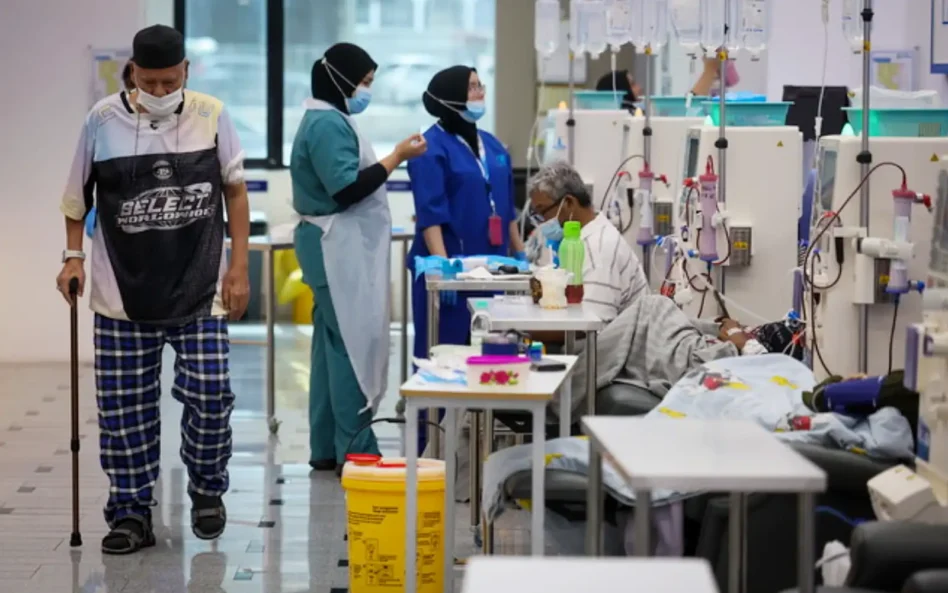
Malaysia already faces one of the region’s fastest-growing dialysis burdens. With kidney care costs running into billions annually and patient numbers increasing year after year, healthcare resources are under intensifying pressure.
This is where digital monitoring, and connected care technologies could become game changers.
Conventionally, in-centre haemodialysis requires patients to travel multiple times a week to treatment centres, often disrupting work, family responsibilities, and daily routines. The physical toll can be immense, particularly for elderly patients and those living far from urban healthcare facilities.
Home-based dialysis offers an alternative that allows many patients to receive treatment in a more familiar and flexible environment.
But home care today is no longer simply about moving treatment equipment into patients’ homes. Technology is reshaping what home-based care can look like altogether.
Remote patient monitoring systems now allow healthcare teams to track treatment data, monitor adherence, identify complications earlier, and intervene before conditions worsen.
Rather than waiting for patients to become critically ill and require hospitalisation, clinicians can increasingly adopt a more proactive model of care.
Evidence from digitally connected home dialysis programmes has associated remote monitoring with improved treatment adherence, reduced clinical complications, longer retention on therapy, and lower healthcare resource utilisation.
These systems also give clinicians, greater visibility into patient progress between clinic visits, improving continuity of care while reducing the burden on overstretched facilities.
Importantly, the benefits extend beyond healthcare efficiency.
For kidney patients, quality of life depends not only on medical outcomes but also on maintaining independence. Home-based care supported by digital connectivity reduces the burden of frequent hospital visits, giving patients greater flexibility and autonomy.
Working adults may be better able to maintain employment. Elderly patients avoid exhausting commutes to dialysis centres several times a week. Care becomes integrated into life, rather than life revolving entirely around treatment.
This human dimension is often overlooked in conversations about healthcare reform.
Healthcare systems are commonly assessed based on measures such as hospital capacity, cost efficiency, and clinical outcomes.
Yet for patients living with chronic illness, success is equally about the ability to participate in normal life. Technology should not only help healthcare systems operate more efficiently—it should help people live more fully.
For Malaysia, this presents both an opportunity and a necessity.
The country cannot realistically build its way out of the kidney disease burden solely through more dialysis centres and hospital infrastructure.
Healthcare manpower constraints, rising operational costs, and an ageing population make that model increasingly difficult to sustain over the long term.
Technology adoption alone is not enough. Patients must feel supported, clinicians must remain connected, and systems must be designed to maintain trust and continuity throughout the care journey.
The future of kidney care will likely depend less on where treatment happens and more on how connected care becomes.
Home care and digital monitoring are not simply conveniences or temporary healthcare trends. They represent a broader evolution toward more decentralised, patient-centred healthcare systems—systems capable of managing chronic disease more sustainably while protecting the quality of life of those living with it.
For Malaysia’s kidney patients, that shift could extending lives and expanding possibilities. ‒ June 10, 2026
Kitson Liew is the senior medical manager at Vantive Malaysia.
The views expressed are solely of the author and do not necessarily reflect those of Focus Malaysia.