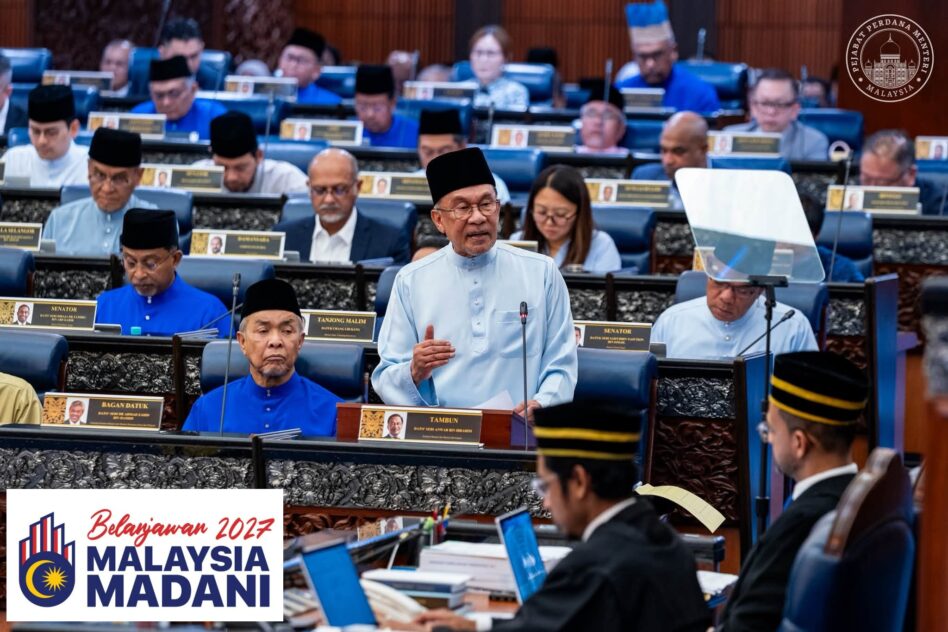

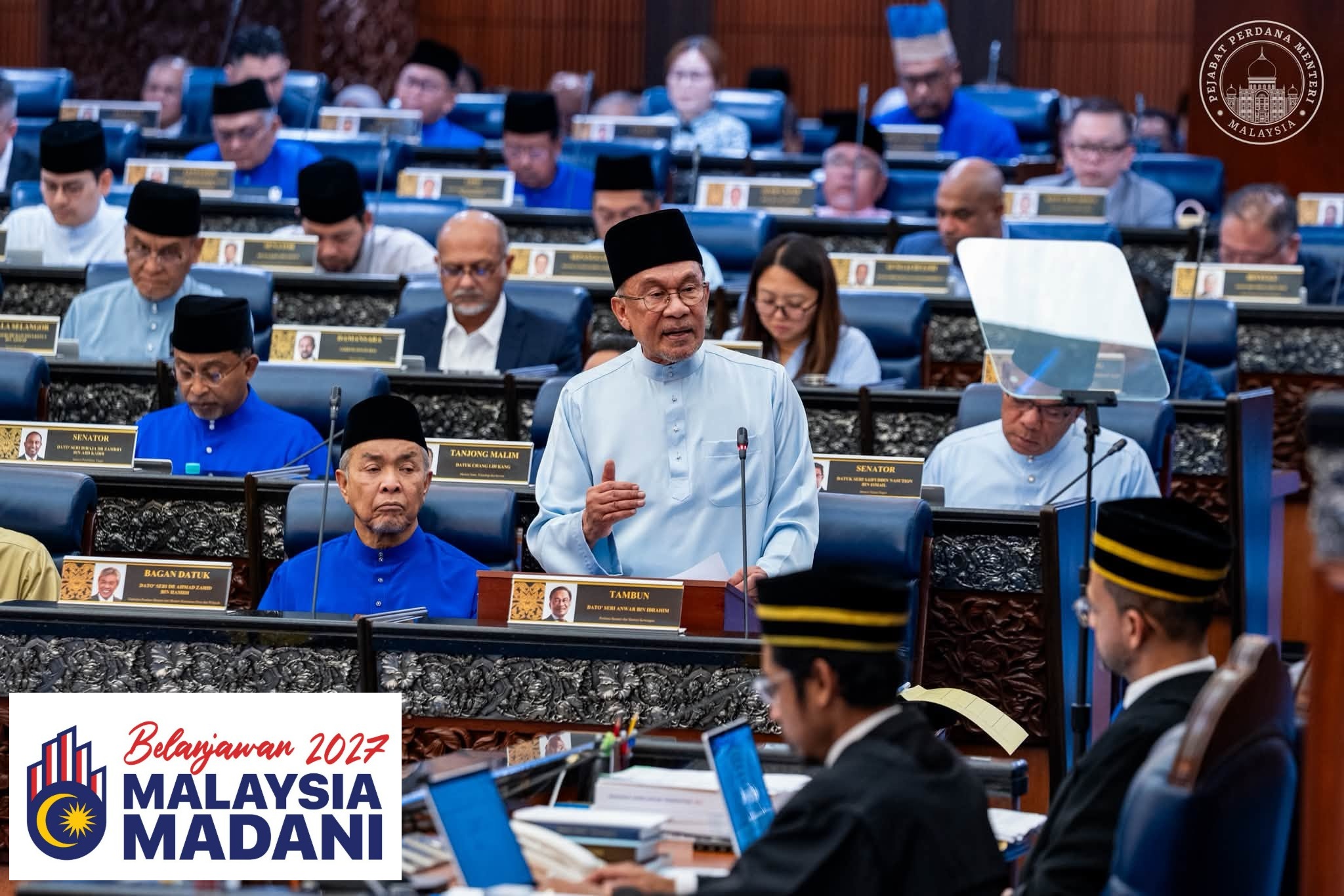
THE fifth Madani budget and second under the 13th Malaysia Plan (13MP), Budget 2027 is notable for its social objectives and economic aspirations in the midst of a challenging and uncertain external environment.
The budget maintains an expansionary fiscal stance while displaying responsibility by committing to continued deficit moderation.
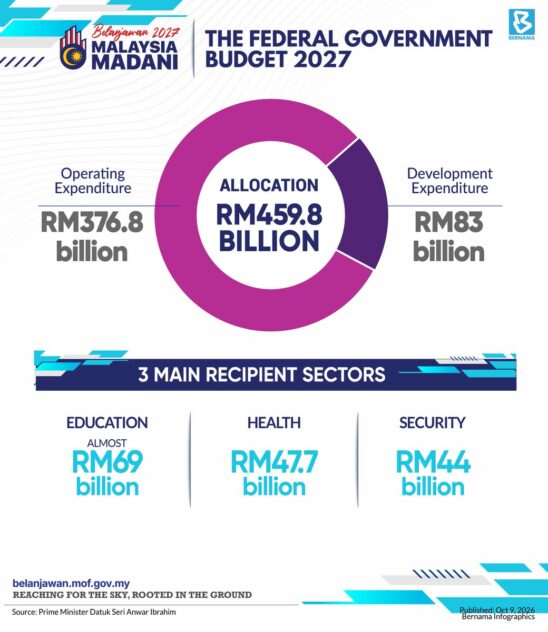
Total spending and investment rise to RM510 bil from RM470 bil with operating expenditure at RM376.8 bil and development expenditure at RM83 bil.
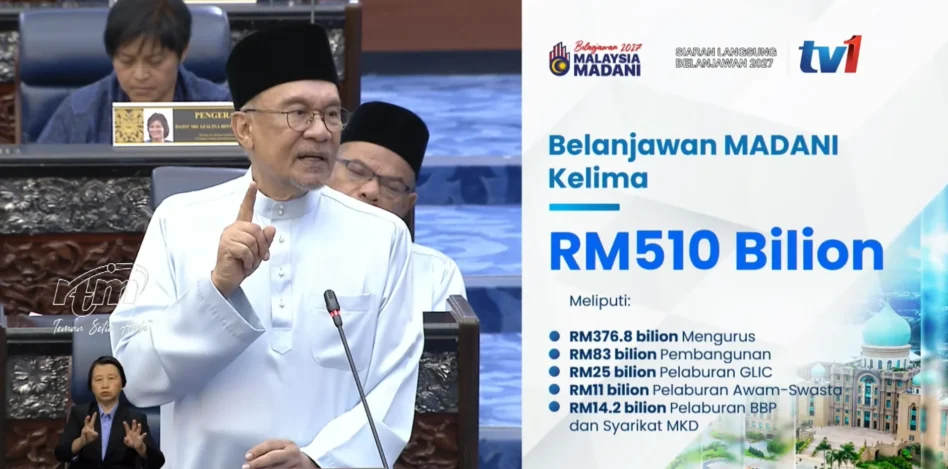
The fiscal deficit is projected to fall to 3.3% of GDP (gross domestic product) in 2027 from 3.6% for 2026. Provisions for subsidies, assistance and incentives will exceed RM80 bil with fuel subsidies at RM40 bil
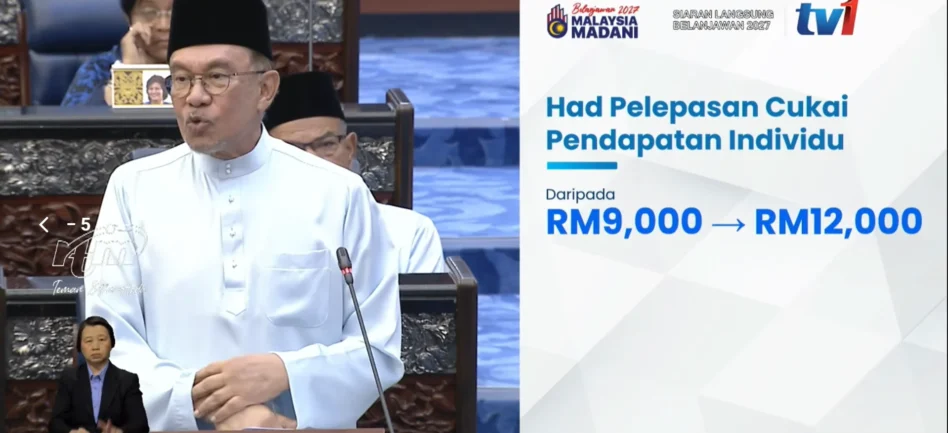
Other key highlights include the hike in the minimum wage to RM2,000 (from RM1,700) beginning in June 2027, adjustments to personal income tax that will raise disposable incomes by up to RM1,600 for five million taxpayers (to be funded by a higher 30% tax rate for taxable incomes above RM1 mil) and stamp duty exemption for first time home buyers through to end-2030.
Winners and losers
Collectively, the budget proposals will offer net benefits to the property, consumer, construction, oil & gas (O&G) and non-bank financial institutions.
The plantations, technology and rubber products sectors are net losers after factoring higher labour costs from the raised minimum wage.
The Education Ministry was allocated RM69 bil and healthcare RM47.7 bil in addition to investments in regional civil infrastructure, energy infrastructure, green transition, food security, disaster readiness and digitalisation and artificial intelligence (AI) initiatives
Construction sector prospect
Gross development expenditure for 2027 is budgeted at RM83 bil for 2027 (2026 revised estimate: RM81 bil) with a higher transport sub-sector allocation of RM17.6 bil (2026 revised estimate: RM17.2 bil) that mainly comprises highways and railways.
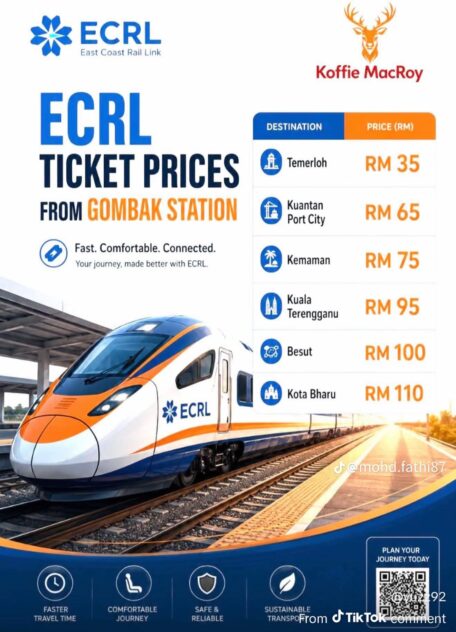
Major project mentions were related to Johor Bahru Elevated Autonomous Rapid Transit (e-ART); East Coast Rail Link (ECRL) Phase 2; Light Rail Transit (LRT) 3 Phase 2; Penang LRT; and Trans Borneo Highway, among others.
View on Threads
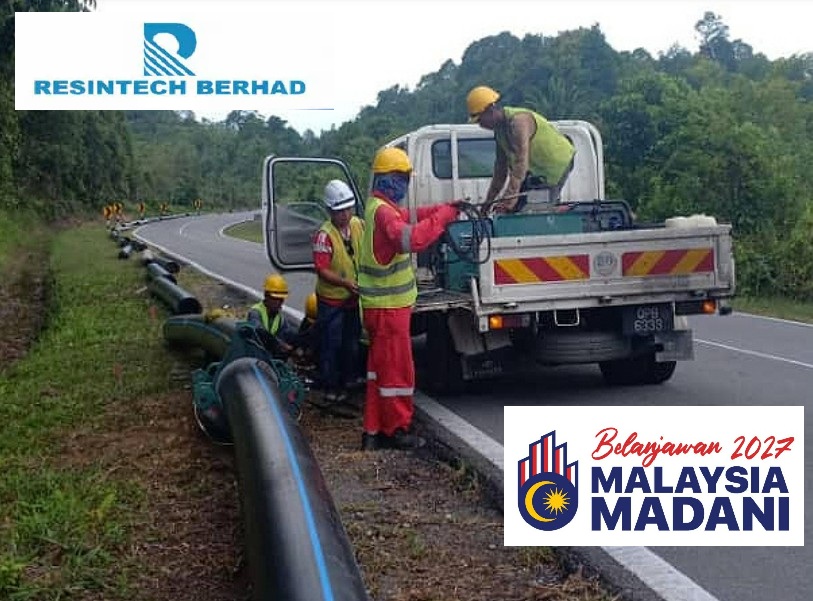
An allocation of RM2.5 bil for non-revenue water reduction should benefit piping contractors such as KKB Engineering Bhd.
Bursa Malaysia outlook
Domestic equity markets will continue to be influenced by the geopolitical and macro-economic overhang, raising equity risk premiums.
The rising possibility of the 16th General Election (GE16) being conducted in 2027 diminishes near-term political risks.
We continue to advocate a defensive posture combined with a trading stance, focusing on opportunities to build positions on weakness and maintaining a propensity to take profit.
Until the overriding macroeconomic environment changes, we expect markets to remain range-bound featuring prevailing rotational plays. – Oct 10, 2026
Alexander Chia is RHB Investment Bank’s head of regional equity research.
The views expressed are solely of the author and do not necessarily reflect those of Focus Malaysia.
Main image credit: Anwar Ibrahim/Facebook